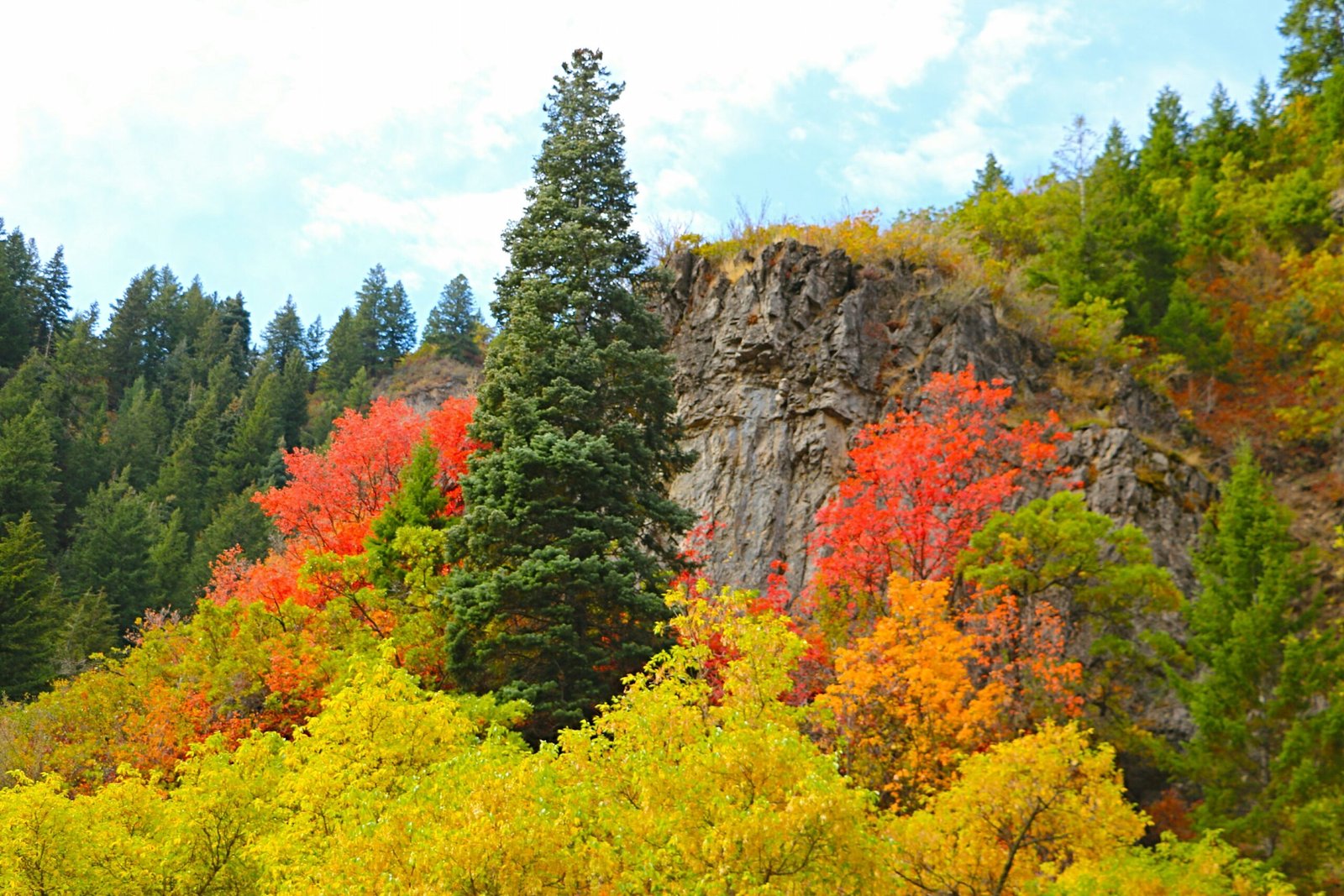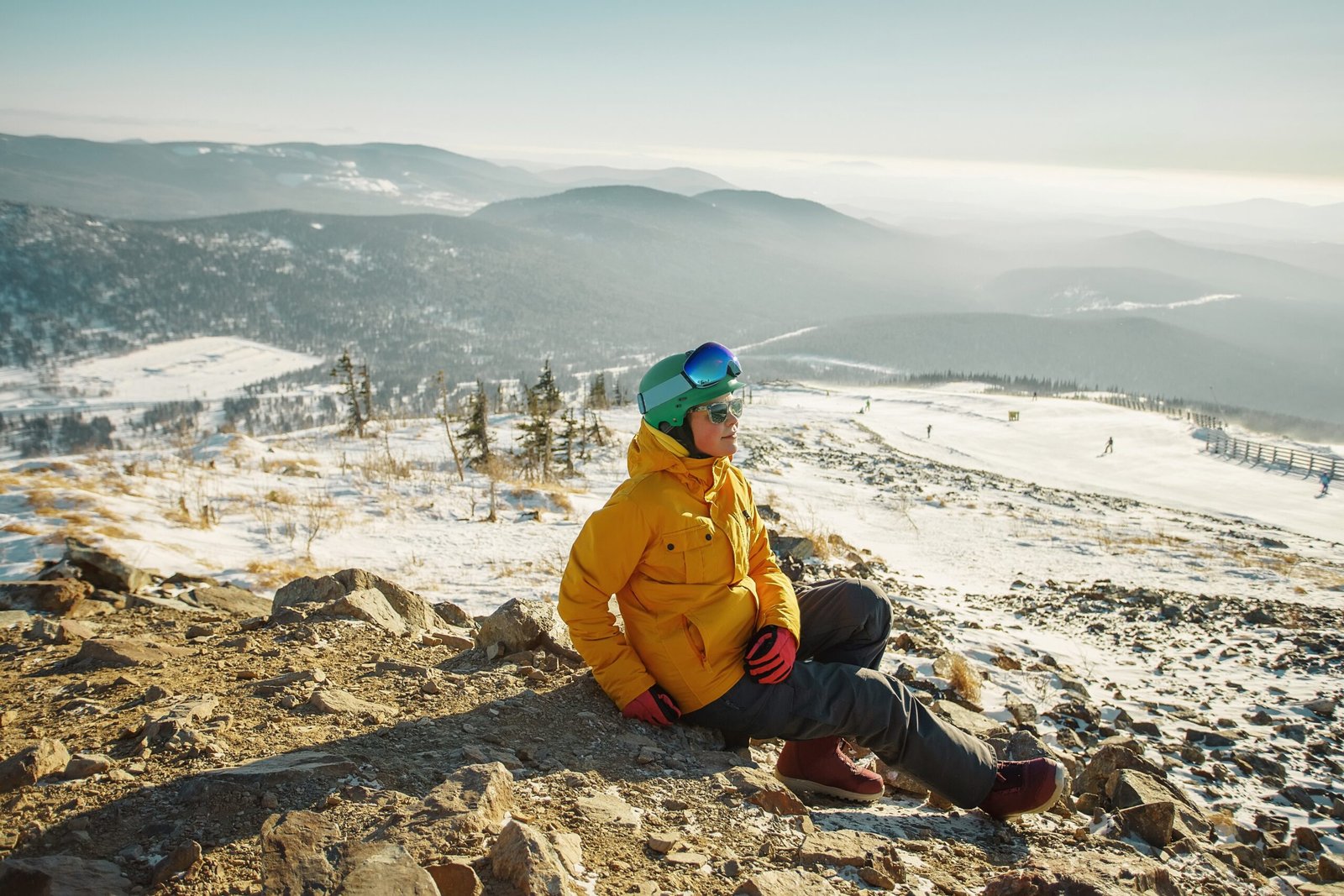
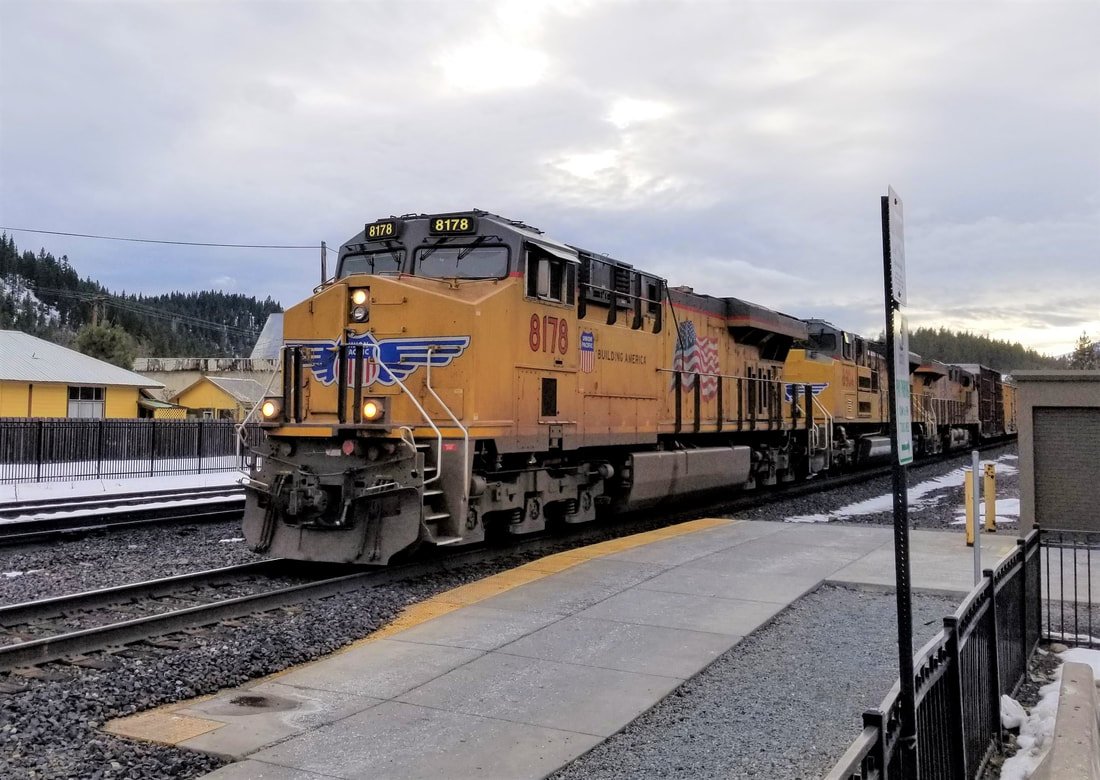
Nestled in the heart of the Sierra Nevada mountains at 6,000 feet elevation, Truckee stands as…
Truckee’s Railroad Legacy: Where Iron Rails Forged America’s Destiny
The piercing whistle of a locomotive echoes through the Sierra Nevada mountains, carrying with it the dreams of a nation united by steel and determination. In Truckee, California, this sound represents more than transportation—it embodies the transformative power of the Transcontinental Railroad that forever changed the landscape of American progress.
Engineering Triumph Against Impossible Odds
The 1860s brought unprecedented challenges to the rugged terrain surrounding Truckee. Chinese immigrant workers, wielding nothing but hand tools and black powder, carved through granite cliffs that seemed insurmountable. These brave souls dangled from ropes hundreds of feet above treacherous ravines, chiseling inch by precious inch through the Sierra Nevada’s unforgiving rock face.
“The mountain didn’t want to be conquered,” recalled one survivor’s grandson, “but my grandfather and his crew spoke to it in the language of dynamite and determination.”
The Cape Horn passage near Colfax became legendary among railroad workers. Here, Chinese laborers demonstrated extraordinary courage, suspended in wicker baskets while drilling holes for explosives. Their precision and fearlessness turned what seemed impossible into America’s greatest engineering achievement.
Winter construction presented brutal challenges:
- Temperatures plummeting to -40°F
- Snowdrifts reaching 60 feet in height
- Supply lines cut off for months
- Workers living in tunnels beneath the snow
Visionaries Who Built America’s Backbone
Theodore Judah, the brilliant engineer whose surveys mapped the railroad’s path through the Sierra Nevada, walked these very trails in 1860. His meticulous calculations and unwavering vision convinced investors that a transcontinental railroad was not just possible—it was essential.
The “Big Four”—Leland Stanford, Collis Huntington, Mark Hopkins, and Charles Crocker—transformed Judah’s dream into reality through the Central Pacific Railroad. Their combined expertise in politics, finance, and construction management created an unstoppable force of American enterprise.
James Strobridge, the one-eyed construction superintendent, earned legendary status among workers for his fairness and determination. Despite losing his eye to a premature explosion, he continued leading crews through the most dangerous sections of construction.
Economic Transformation of a Mountain Community
Before the railroad’s arrival, Truckee existed as a modest logging settlement. The transcontinental railroad’s completion in 1869 transformed this quiet mountain town into a bustling commercial hub.
Immediate Economic Impact:
- Lumber industry expansion – Local sawmills supplied railroad ties and construction materials nationwide
- Tourism boom – Wealthy San Francisco families built summer retreats in the pristine mountain air
- Agricultural development – Fresh produce could reach distant markets within days instead of months
- Mining operations flourished with reliable transportation for equipment and ore
The Truckee Hotel, built in 1873, became a symbol of the town’s newfound prosperity. Travelers from across the continent stopped here, bringing stories, commerce, and cultural exchange to this remote mountain community.
“The railroad didn’t just connect us to the world,” noted longtime resident Mary Chen, whose great-grandfather worked on the original construction, “it brought the world to us.”
Cultural Melting Pot of the High Sierra
The railroad created an unprecedented cultural convergence in Truckee. Chinese, Irish, German, and Mexican workers brought their traditions, foods, and customs to this mountain crossroads.
Chinatown in Truckee became a vibrant community center where Chinese workers settled after completing the railroad. Their contributions extended far beyond construction—they established businesses, restaurants, and cultural institutions that enriched the entire region.
The annual Chinese New Year celebrations in 1870s Truckee rivaled those in San Francisco, featuring elaborate dragon dances and fireworks displays that illuminated the snow-covered streets.
Indigenous Perspectives: The Washoe and Paiute peoples witnessed their ancestral lands transformed by the railroad’s arrival. While the railroad brought disruption to traditional ways of life, some tribal members found employment and adapted to the changing landscape while maintaining their cultural identity.
Technological Marvels That Defied Nature
The Summit Tunnel, stretching 1,659 feet through solid granite, represented the pinnacle of 1860s engineering innovation. Workers attacked the mountain from both ends and from a central shaft, creating a perfectly aligned passage that still carries trains today.
Revolutionary Construction Techniques:
- Nitroglycerin explosives – First large-scale use in American construction
- Steam-powered drilling equipment – Dramatically increased excavation speed
- Prefabricated snow sheds – Protected tracks from devastating avalanches
- Telegraph communication – Coordinated construction across hundreds of miles
The snowsheds of Truckee became architectural marvels in their own right. These wooden tunnels, stretching for miles, allowed trains to operate year-round despite Sierra Nevada’s legendary snowfall.
Wartime Service and National Unity
During World War II, Truckee’s railroad infrastructure proved crucial to America’s war effort. Troop trains carrying soldiers to Pacific Coast embarkation points thundered through town daily, while freight cars loaded with military supplies maintained the flow of materials to support the war effort.
Local resident Robert Martinez remembered: “Every night, we’d hear those trains carrying our boys to war. The whole town would come out to wave, knowing we might never see some of them again.”
The railroad workers of Truckee demonstrated exceptional dedication, maintaining operations despite labor shortages and increased demand. Women entered railroad jobs traditionally held by men, proving their capability in roles from telegraph operators to maintenance crews.
Modern Renaissance and Preservation Efforts
Today’s Truckee honors its railroad heritage while embracing modern innovation. The Truckee Railroad Museum preserves artifacts, photographs, and personal stories from the transcontinental railroad era.
Contemporary Developments:
- High-speed rail proposals connecting California’s major cities
- Heritage tourism bringing thousands of visitors annually
- Railroad-themed festivals celebrating the town’s unique history
- Educational programs teaching young people about their community’s role in American history
The Donner Summit Historical Society maintains hiking trails along the original railroad grade, allowing visitors to walk in the footsteps of those pioneering workers who conquered the Sierra Nevada.
Interactive Exploration Opportunities
Explore Virtual Railroad Museum Tours →
Experience immersive 360-degree views of historic locomotives and construction artifacts from the comfort of your home.
Download the Truckee Railroad Heritage App →
Use GPS-guided walking tours to discover hidden railroad sites throughout the historic district.
Ride vintage rail cars along portions of the original transcontinental route, complete with historical narration and period costumes.
Living Legacy of American Determination
The transcontinental railroad’s completion at Promontory Summit, Utah, on May 10, 1869, represented the culmination of Truckee’s contribution to American unity. The Golden Spike ceremony celebrated not just the joining of two rail lines, but the realization that American ingenuity could overcome any obstacle.
Key Lessons from Truckee’s Railroad Legacy:
- Diversity strengthens achievement – Multiple cultures working together accomplished the impossible
- Innovation emerges from necessity – Extreme challenges sparked revolutionary engineering solutions
- Community resilience builds lasting prosperity – Truckee’s adaptation to change ensured continued growth
- Preservation honors progress – Maintaining historical connections enriches modern life
The railroad workers who carved through granite cliffs and survived brutal winters left more than transportation infrastructure—they created a template for American achievement that continues inspiring new generations.
Plan Your Visit to Historic Truckee →
Discover the sites, stories, and spirit of America’s railroad pioneers in the heart of the Sierra Nevada.
Join the Railroad Heritage Society →
Help preserve Truckee’s railroad legacy for future generations through volunteer opportunities and educational initiatives.
The whistle still echoes through Truckee’s mountain valleys, carrying forward the dreams and determination of those who dared to unite a continent with ribbons of steel.
More to Explore