
The Pacific Ocean stretches endlessly beyond San Diego's coastline, holding secrets that have captivated adventurers for…
Torrey Pines State Natural Reserve: Where Ancient Giants Meet Pacific Splendor
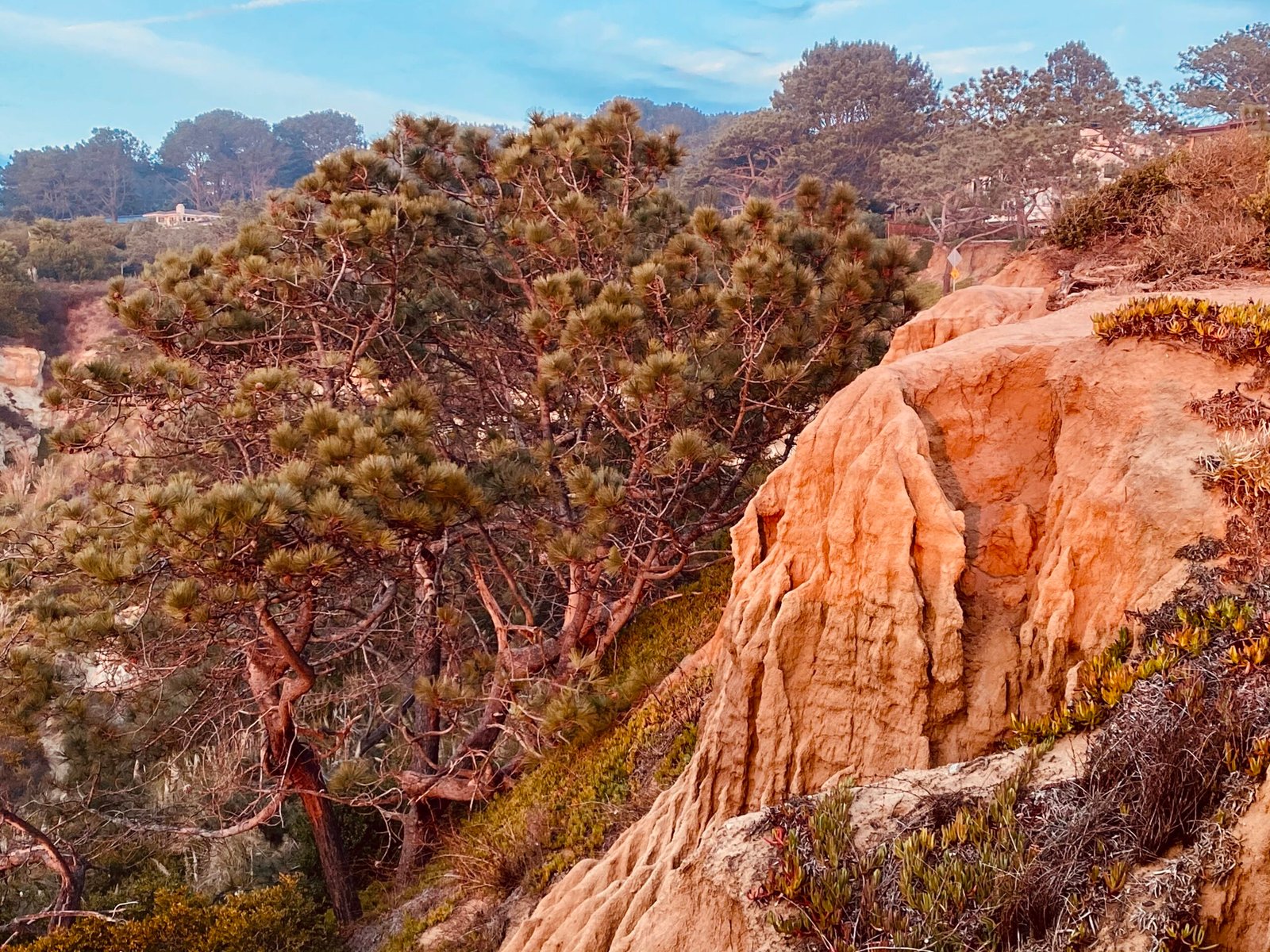
Standing on the windswept bluffs of Torrey Pines State Natural Reserve, you witness something extraordinary—trees that have defied time itself. These ancient Torrey pines, some over 300 years old, cling to dramatic sandstone cliffs while the Pacific Ocean crashes below. This isn’t just another San Diego attraction; it’s a living museum where geological wonders, rare ecosystems, and pristine wilderness converge.
Ancient Guardians of the Coast
The Torrey pine (Pinus torreyana) stands as one of North America’s rarest tree species. With fewer than 10,000 specimens remaining worldwide, these magnificent trees exist in only two locations—here at Torrey Pines and on Santa Rosa Island. Each twisted trunk tells a story of survival against salt spray, fierce winds, and drought conditions that would defeat lesser species.
Walking among these ancient giants feels like stepping into a natural cathedral. The trees’ gnarled branches create intricate patterns against the sky, their resilience evident in every weathered limb. Photography enthusiasts capture these sculptural forms at golden hour, when warm light transforms the grove into an ethereal landscape.
Pristine Trails Through Diverse Ecosystems
Eight miles of well-maintained trails wind through the reserve’s 2,000 acres, each path revealing different facets of this coastal wilderness. The Guy Fleming Trail offers the perfect introduction—a gentle 0.7-mile loop showcasing wildflowers, ocean vistas, and the reserve’s famous trees.
For those seeking adventure, the Beach Trail descends 300 feet through dramatic badlands to reach the pristine shoreline below. This moderately challenging hike rewards visitors with secluded beaches and tide pools teeming with marine life.
Hikers particularly treasure the Razor Point Trail, where narrow ridges provide breathtaking panoramic views. During winter months, this vantage point becomes a prime whale watching location as gray whales migrate along the coast.
A Wildlife Haven
The reserve supports over 380 plant species and countless animal inhabitants. Rare plant species include the endangered Del Mar manzanita and the Torrey pine itself. Spring transforms the landscape into a wildflower wonderland, with vibrant displays of California poppies, lupines, and coastal sage scrub blooms.
Wildlife enthusiasts spot red-tailed hawks soaring overhead, while ground squirrels and rabbits dart between the chaparral. The coastal location attracts diverse bird species, making it a favorite destination for nature photographers and birdwatchers alike.
Geological Wonders Millions of Years in the Making
The reserve’s dramatic topography tells an ancient story. Geological features include towering sandstone formations carved by wind and water over millions of years. These sedimentary cliffs reveal fossilized shells and marine organisms, evidence of when this area lay beneath prehistoric seas.
The famous “badlands” terrain creates an otherworldly landscape of eroded canyons and sculptured rock formations. These geological marvels provide endless opportunities for exploration and photography.
Sunset Magic and Coastal Access
As day transitions to evening, Torrey Pines transforms into something magical. Sunset views from the bluffs rank among San Diego’s most spectacular, with the Pacific stretching endlessly westward. The interplay of light on sandstone cliffs creates a photographer’s paradise.
Beach access via the Beach Trail leads to a pristine stretch of coastline where visitors can explore tide pools, search for sea glass, or simply enjoy the rhythmic sound of waves against ancient cliffs. This secluded beach offers respite from crowded tourist destinations.
Guided Experiences and Educational Opportunities
The reserve’s visitor center provides educational exhibits about local ecology and conservation efforts. Guided nature walks led by knowledgeable docents reveal hidden secrets of the ecosystem, from identifying rare plants to understanding the complex relationships between species.
Special programs throughout the year include full moon hikes, photography workshops, and children’s nature programs. These experiences deepen visitors’ connection to this remarkable landscape.
Planning Your Visit
Best Times to Visit: Spring (March-May) for wildflowers, winter (December-March) for whale watching, and early morning or late afternoon year-round for optimal lighting and cooler temperatures.
What to Bring: Comfortable hiking shoes, water, sun protection, and a camera. Binoculars enhance wildlife viewing opportunities.
Parking: Arrive early, especially on weekends, as the small parking lot fills quickly. Consider visiting on weekdays for a more peaceful experience.
Conservation Legacy
Visiting Torrey Pines State Natural Reserve means supporting crucial conservation efforts. Your entrance fees directly fund habitat restoration, research programs, and educational initiatives that protect this irreplaceable ecosystem for future generations.
Every step along these pristine trails connects you to something larger—a landscape where ancient trees stand as sentinels over one of California’s last wild coastlines. In a world of constant change, Torrey Pines remains a sanctuary where time moves differently, measured not in minutes but in the slow growth of ancient pines and the eternal rhythm of Pacific waves.
Ready to experience this natural wonder? Plan your visit to Torrey Pines State Natural Reserve and discover why this hidden gem continues to inspire visitors from around the world. Whether you’re seeking adventure, tranquility, or simply a deeper connection to nature, these ancient trees and pristine trails await your exploration.
More to Explore