The desert has a way of stripping away the noise—both external and internal. As the first…
The Desert Modernism Movement: How Palm Springs Shaped American Design
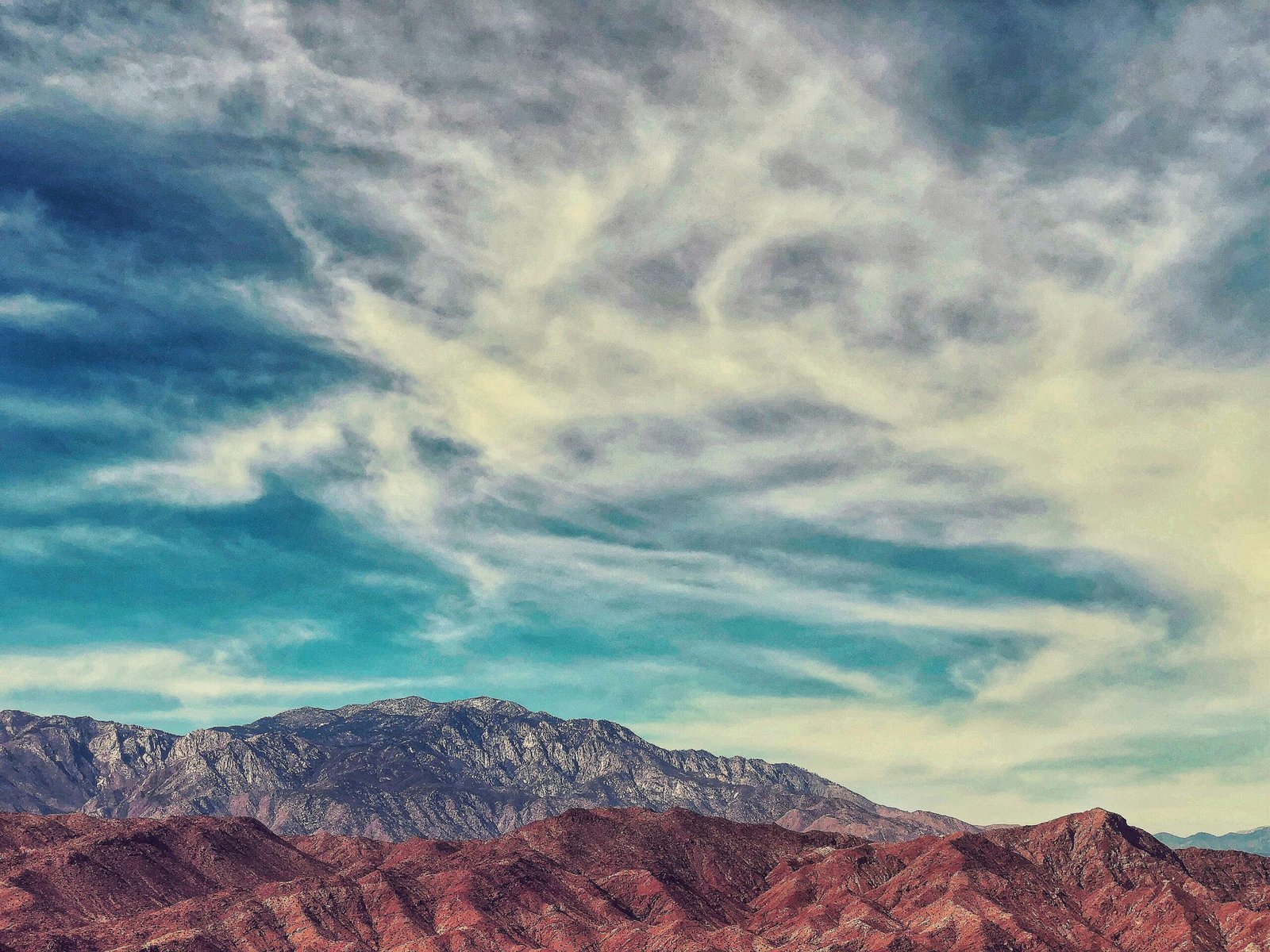
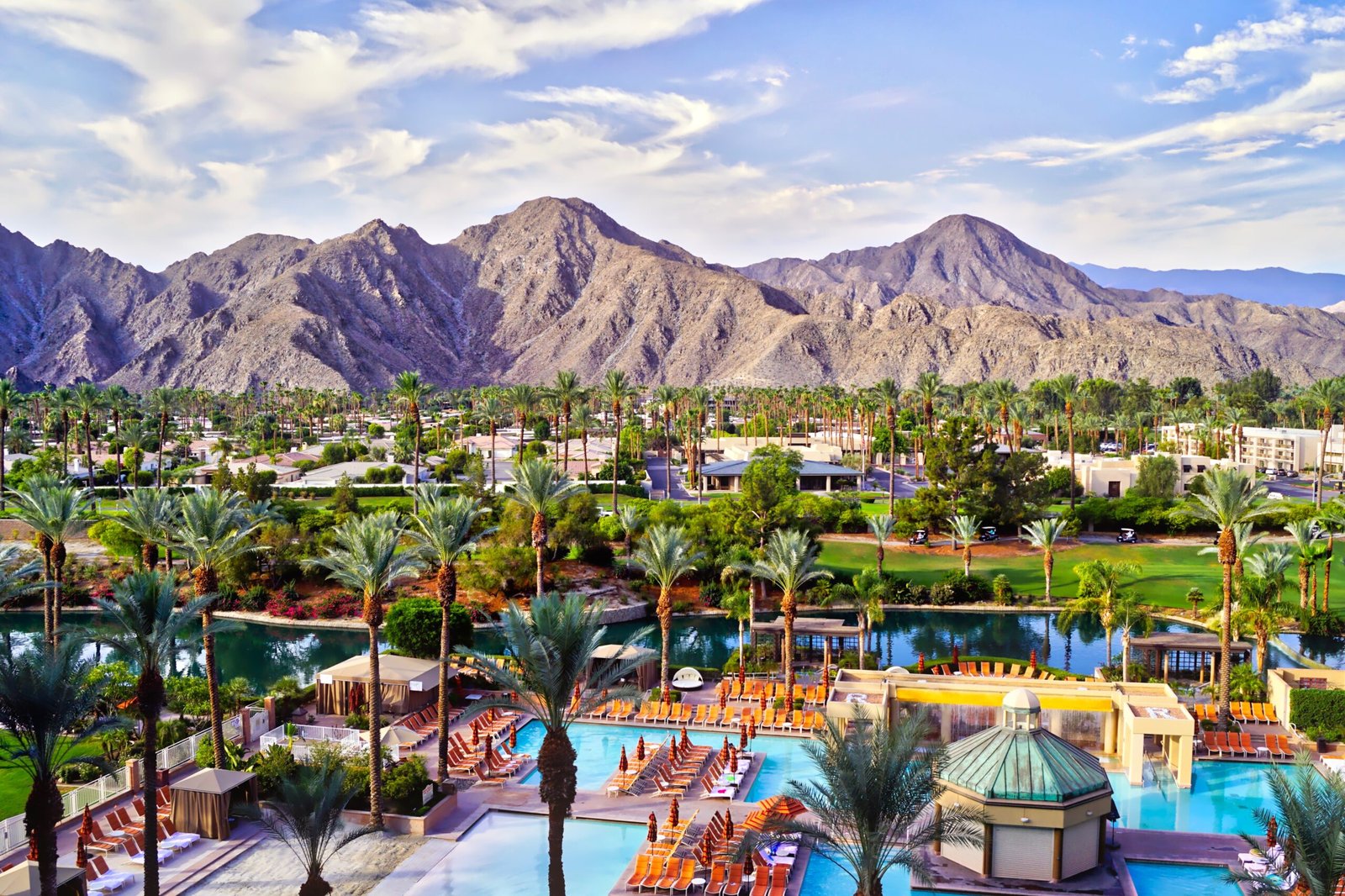
In the scorching heat of the Coachella Valley, where the San Jacinto Mountains cast dramatic shadows across the desert floor, a revolutionary design movement was born. Desert Modernism didn’t just emerge from the landscape—it embraced it, celebrated it, and ultimately transformed how Americans thought about living with nature rather than against it.
Picture this: It’s 1946, and Hollywood elite are escaping the smog and scrutiny of Los Angeles, driving two hours east to a desert oasis where glass walls dissolve the boundaries between indoors and out, where flat roofs stretch like horizons, and where swimming pools reflect both sky and stars. This wasn’t just architecture—this was a lifestyle revolution that would ripple across the entire American design landscape.
The Birth of a Movement: When Desert Met Modernism
The story begins in the 1920s, but it was the post-World War II boom that truly ignited Desert Modernism’s flame. Veterans returned home with new perspectives on living, and architects found themselves with unprecedented opportunities to experiment. The desert provided the perfect canvas—vast, unforgiving, yet breathtakingly beautiful.
Richard Neutra, the Austrian-American architect, arrived in Palm Springs and saw not obstacles but opportunities. The intense sun that others fled from became a design element to harness. The dramatic temperature swings between day and night informed his approach to materials and orientation. The endless views demanded walls of glass that would have been impractical in other climates.
“The desert teaches you honesty,” Neutra once observed, and this honesty became the movement’s defining characteristic. No ornate facades hiding structural elements. No unnecessary decoration competing with the natural drama of the landscape. Just clean lines, honest materials, and a profound respect for the environment.
Architectural DNA: The Elements That Defined a Generation
Desert Modernism’s architectural features weren’t born from aesthetic whims—they were intelligent responses to environmental challenges that created an entirely new visual language:
Horizontal Emphasis
Long, low-slung profiles that echoed the desert’s endless horizons. These weren’t buildings that fought the landscape but structures that seemed to emerge from it naturally. The horizontal emphasis created a sense of calm and permanence, suggesting that humans could indeed find harmony in this harsh environment.
Floor-to-Ceiling Glass
Massive glass walls that dissolved the traditional barrier between interior and exterior spaces. During the day, these walls framed the dramatic mountain views like living artwork. At night, they transformed homes into glowing lanterns in the desert darkness, creating a magical interplay of light and shadow.
Post-and-Beam Construction
Exposed structural elements that celebrated rather than concealed the building’s skeleton. Steel and wood beams became decorative elements, their clean lines adding rhythm and visual interest to interior spaces while maintaining the movement’s commitment to honest expression.
Flat or Low-Pitched Roofs
Rooflines that complemented rather than competed with the mountain silhouettes. These roofs often extended beyond the building envelope, creating crucial shade and outdoor living spaces that were essential for desert comfort.
The Visionaries: Architects Who Dared to Dream
Richard Neutra: The Pioneer
Neutra’s approach to Desert Modernism was both scientific and poetic. He studied the desert’s microclimates, understanding how morning light differed from afternoon sun, how mountain breezes could be channeled for natural cooling. His buildings weren’t just shelters—they were sophisticated environmental machines designed to enhance human comfort and connection to nature.
Albert Frey: The Purist
Swiss-born Frey brought European modernist principles to the American desert, creating structures of stunning simplicity and elegance. His own home, built into a rocky hillside, demonstrated how modernist architecture could literally embrace the natural landscape. Frey understood that in the desert, less truly was more.
E. Stewart Williams: The Innovator
Williams pushed the boundaries of what desert architecture could be, experimenting with bold geometric forms and innovative materials. His designs proved that modernist principles could be both functional and dramatically beautiful, creating buildings that were as much sculpture as shelter.
William Krisel: The Democratizer
While others focused on custom homes for the wealthy, Krisel brought Desert Modernism to the masses through his tract housing developments. His butterfly roofs and clerestory windows made modernist design accessible to middle-class families, spreading the movement’s influence far beyond Palm Springs.
Iconic Landmarks: Where Dreams Became Reality
The Kaufmann House: A Desert Jewel
Commissioned by the same family who owned Pittsburgh’s famous Fallingwater, the Kaufmann House represents Desert Modernism at its most refined. Richard Neutra’s 1946 masterpiece seems to float above the desert floor, its horizontal planes and glass walls creating a sense of weightlessness that defies the harsh environment.
The house’s swimming pool extends toward the mountains, creating an infinity effect that merges human-made beauty with natural grandeur. Inside, the open floor plan and carefully positioned windows frame specific views, turning the surrounding landscape into a constantly changing art installation.
Explore virtual tours of iconic Desert Modern homes
Tramway Gas Station: Modernism for the Masses
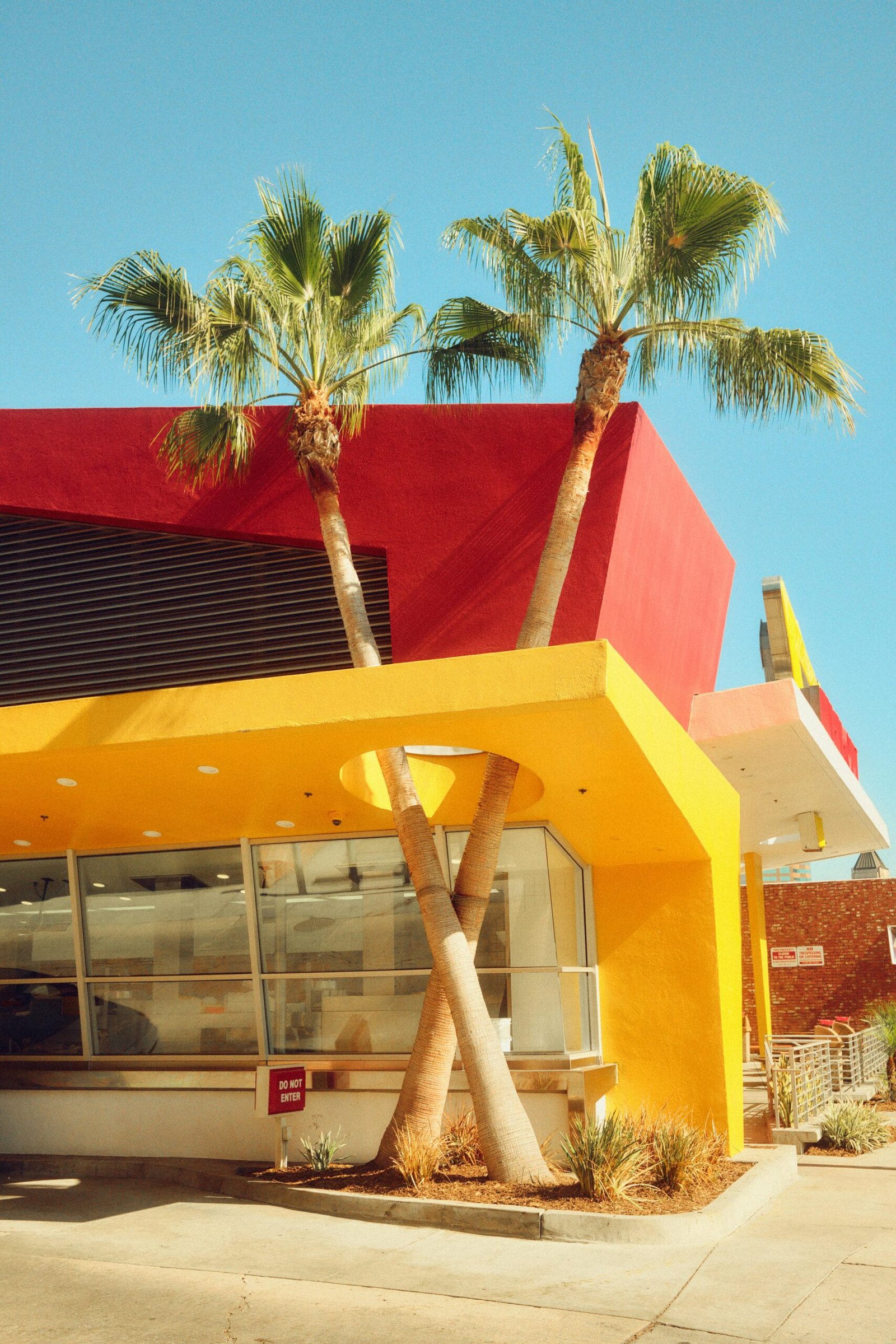
Albert Frey and Robson Chambers’ 1965 Tramway Gas Station proved that modernist principles could transform even the most utilitarian structures into architectural poetry. The station’s dramatic hyperbolic paraboloid roof seems to defy gravity, while its glass walls and steel structure create a jewel-like presence in the desert landscape.
This wasn’t just a place to buy gas—it was a statement that good design could and should be part of everyday life. The station became a symbol of Palm Springs’ commitment to design excellence in all aspects of the built environment.
Elrod House: Hollywood Glamour Meets Desert Modernism
John Lautner’s 1968 Elrod House pushed Desert Modernism into the realm of science fiction. Built into a hillside with a dramatic concrete dome roof, the house became famous as a filming location for the James Bond film “Diamonds Are Forever.” Its circular design and 360-degree views created a living space that was both intimate and expansive.
The house’s conversation pit and integrated furniture demonstrated how Desert Modernism influenced not just architecture but interior design, creating seamless environments where every element worked in harmony.
Palm Springs City Hall: Civic Modernism
Albert Frey, Robson Chambers, and John Porter Clark’s 1952-1957 Palm Springs City Hall brought modernist principles to civic architecture. The building’s mountain-facing orientation and extensive use of glass created a transparent government literally and figuratively, while its desert garden courtyard demonstrated how public spaces could celebrate the natural environment.
The building’s success proved that Desert Modernism wasn’t just for private residences—it could create inspiring public spaces that brought communities together while respecting the desert environment.
Beyond Buildings: How Desert Modernism Shaped Furniture and Interiors
The movement’s influence extended far beyond architectural shells. Furniture designers embraced the same principles of clean lines, honest materials, and indoor-outdoor living that defined the buildings themselves.
Built-in seating became a hallmark of Desert Modern interiors, creating intimate conversation areas that took advantage of dramatic views. Low-profile furniture maintained the horizontal emphasis so crucial to the architectural aesthetic, while natural materials like teak and leather brought warmth to spaces that might otherwise feel austere.
The color palette drew directly from the desert landscape—warm earth tones, sage greens, and sunset oranges that complemented rather than competed with the natural surroundings. Textiles featured geometric patterns inspired by Native American designs, acknowledging the region’s cultural heritage while maintaining modernist sensibilities.
Shop authentic Desert Modern furniture pieces
Cultural Revolution: How Palm Springs Changed American Living
Desert Modernism’s influence rippled far beyond architecture and design, fundamentally changing how Americans thought about lifestyle and leisure. The movement coincided with the rise of casual living, as post-war prosperity allowed more families to embrace relaxed, outdoor-oriented lifestyles.
The Indoor-Outdoor Revolution
Before Desert Modernism, American homes typically featured distinct separations between interior and exterior spaces. The movement’s emphasis on seamless transitions between indoors and outdoors influenced residential design across the country, from California ranch houses to Florida screen rooms.
Patio culture exploded in popularity, with families investing in outdoor furniture, barbecue equipment, and pool installations. The idea that outdoor spaces could be as carefully designed and comfortable as interior rooms became a cornerstone of American suburban living.
Pop Culture and Celebrity Influence
Palm Springs became a playground for Hollywood stars, and their Desert Modern homes appeared in countless magazine spreads and lifestyle features. Frank Sinatra’s Twin Palms estate, Elvis Presley’s Honeymoon Hideaway, and Bob Hope’s futuristic compound all showcased how modernist design could create glamorous yet comfortable living environments.
These celebrity endorsements helped popularize Desert Modernism’s aesthetic principles, spreading its influence through television shows, movies, and advertising campaigns that celebrated the modern American lifestyle.
Tourism and Economic Impact
The architectural movement transformed Palm Springs from a small desert town into a major tourist destination. Visitors came not just for the climate but to experience the unique lifestyle that Desert Modernism had created. Hotels, restaurants, and retail establishments embraced modernist design principles, creating a cohesive aesthetic experience that attracted design enthusiasts from around the world.
The annual Modernism Week now draws tens of thousands of visitors to Palm Springs, generating millions in tourism revenue while celebrating the movement’s ongoing influence. Architecture tours, design exhibitions, and modernist home sales have created an entire economy based on the movement’s legacy.
Plan your Desert Modernism architecture tour
Contemporary Revival: Desert Modernism in the 21st Century
Far from being a historical curiosity, Desert Modernism continues to influence contemporary design in profound ways. Sustainability concerns have given new relevance to the movement’s emphasis on passive solar design, natural ventilation, and integration with the landscape.
Green Building Connections
Modern architects are rediscovering how Desert Modernism’s principles align with contemporary environmental goals. Deep roof overhangs that provide crucial shade, cross-ventilation strategies that reduce cooling loads, and drought-tolerant landscaping that celebrates rather than fights the desert environment all contribute to more sustainable building practices.
LEED-certified projects across the American Southwest frequently incorporate Desert Modernist principles, proving that good design and environmental responsibility can work hand in hand.
Residential Influence
Contemporary home builders have embraced Desert Modernism’s open floor plans, large windows, and indoor-outdoor living spaces. Even in non-desert climates, architects are incorporating the movement’s emphasis on horizontal lines, natural materials, and integration with landscape.
Minimalist interior design trends owe a significant debt to Desert Modernism’s “less is more” philosophy, while the current popularity of mid-century modern furniture reflects the movement’s enduring aesthetic appeal.
Commercial Applications
Modern resort design frequently draws inspiration from Desert Modernism’s hospitality innovations. Hotels and restaurants use glass walls, outdoor dining areas, and desert landscaping to create memorable experiences that connect guests with their environment.
Corporate campuses in the Southwest often incorporate Desert Modernist principles, using natural light, outdoor meeting spaces, and sustainable materials to create work environments that enhance both productivity and employee satisfaction.
The Enduring Legacy: Why Desert Modernism Still Matters
As we face contemporary challenges of climate change, urbanization, and environmental degradation, Desert Modernism offers valuable lessons about living in harmony with challenging environments. The movement’s emphasis on resource efficiency, passive environmental control, and respect for natural systems provides a blueprint for sustainable design that remains remarkably relevant.
The psychological benefits of Desert Modernism’s design principles—the stress-reducing effects of natural light, the mental health benefits of connection to nature, and the social advantages of flexible living spaces—align perfectly with contemporary understanding of how built environments affect human wellbeing.
Perhaps most importantly, Desert Modernism demonstrated that good design is not a luxury but a necessity for creating environments that enhance human life. From the Kaufmann House’s ethereal beauty to the Tramway Gas Station’s everyday elegance, the movement proved that thoughtful design could transform any building type into something inspiring.
Discover Desert Modern design principles for your own home
Building Tomorrow: Desert Modernism’s Continuing Evolution
Today’s architects and designers continue to find inspiration in Desert Modernism’s core principles while adapting them for contemporary needs. Smart home technology integrates seamlessly with modernist aesthetics, while advanced materials allow for even more dramatic expressions of the movement’s signature transparency and lightness.
The movement’s influence extends globally, with architects in Australia, Chile, and South Africa adapting Desert Modernist principles to their own arid environments. This international spread demonstrates the universal appeal of design that works with rather than against natural forces.
As we look toward the future, Desert Modernism’s legacy reminds us that the best architecture doesn’t just provide shelter—it enhances our connection to the natural world while creating spaces that inspire, comfort, and delight. In an age of increasing environmental awareness and urbanization, these lessons from the desert have never been more relevant.
The glass walls still reflect the mountain sunsets. The flat roofs still frame the endless sky. And the spirit of innovation that drove those pioneering architects continues to inspire new generations of designers who understand that in the marriage of modernism and the desert, both partners emerged transformed.
Join the Desert Modernism preservation movement
The desert taught them honesty, and they taught us how to live.
More to Explore