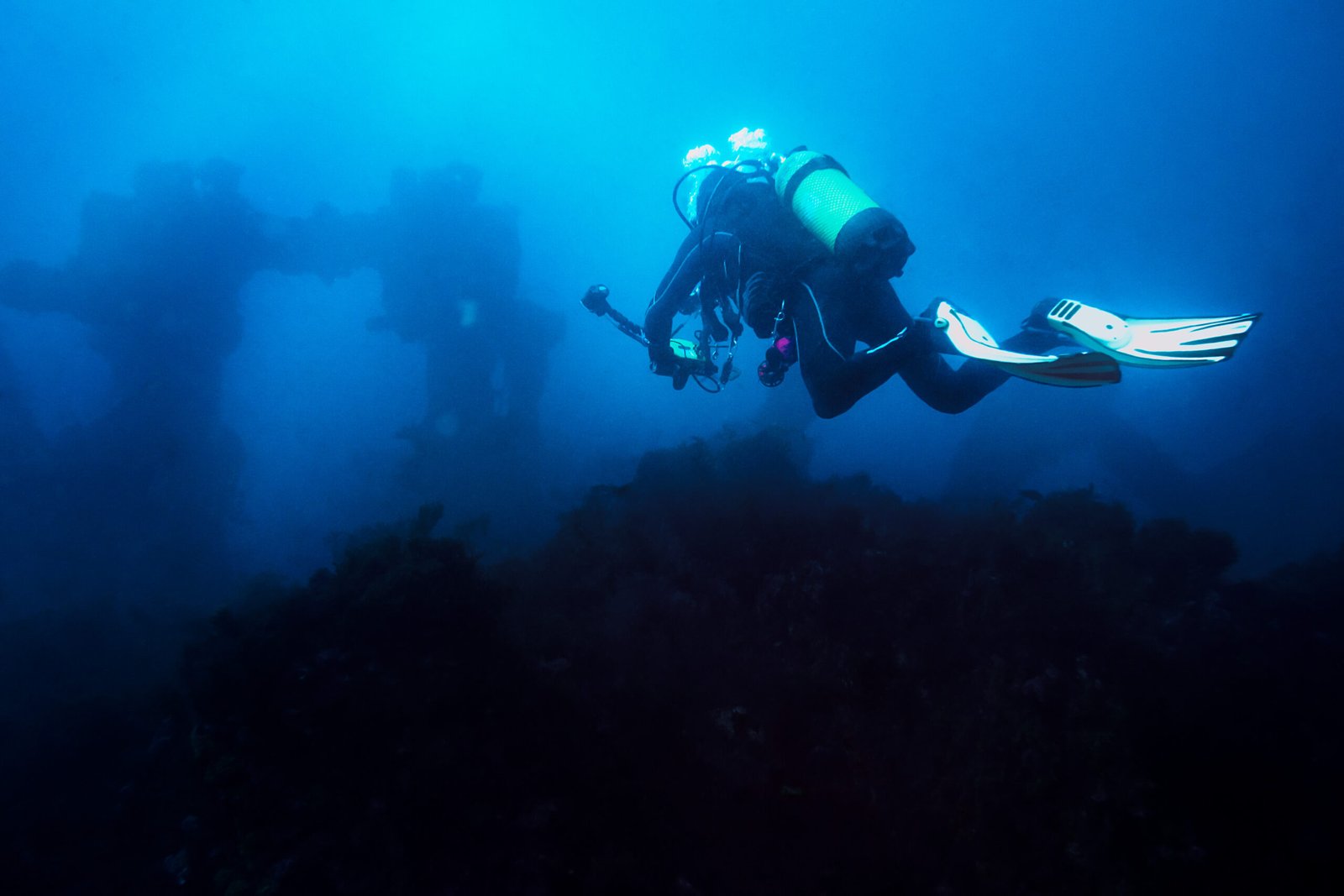
The Pacific Ocean stretches endlessly beyond San Diego's coastline, holding secrets that have captivated adventurers for…
San Diego – Point Loma: The Perfect Perch for Land-Based Whale Watching
Perched dramatically on the southwestern tip of San Diego, Point Loma stands as nature’s own observation deck, offering some of the most spectacular land-based whale watching opportunities on the entire West Coast. With 20 years of guiding visitors to the best wildlife viewing experiences, we’ve witnessed countless magical moments where these magnificent marine giants breach just offshore, creating memories that last a lifetime.
YEAR-ROUND WHALE WATCHING SEASONS
Gray Whale Migration: Winter’s Greatest Show
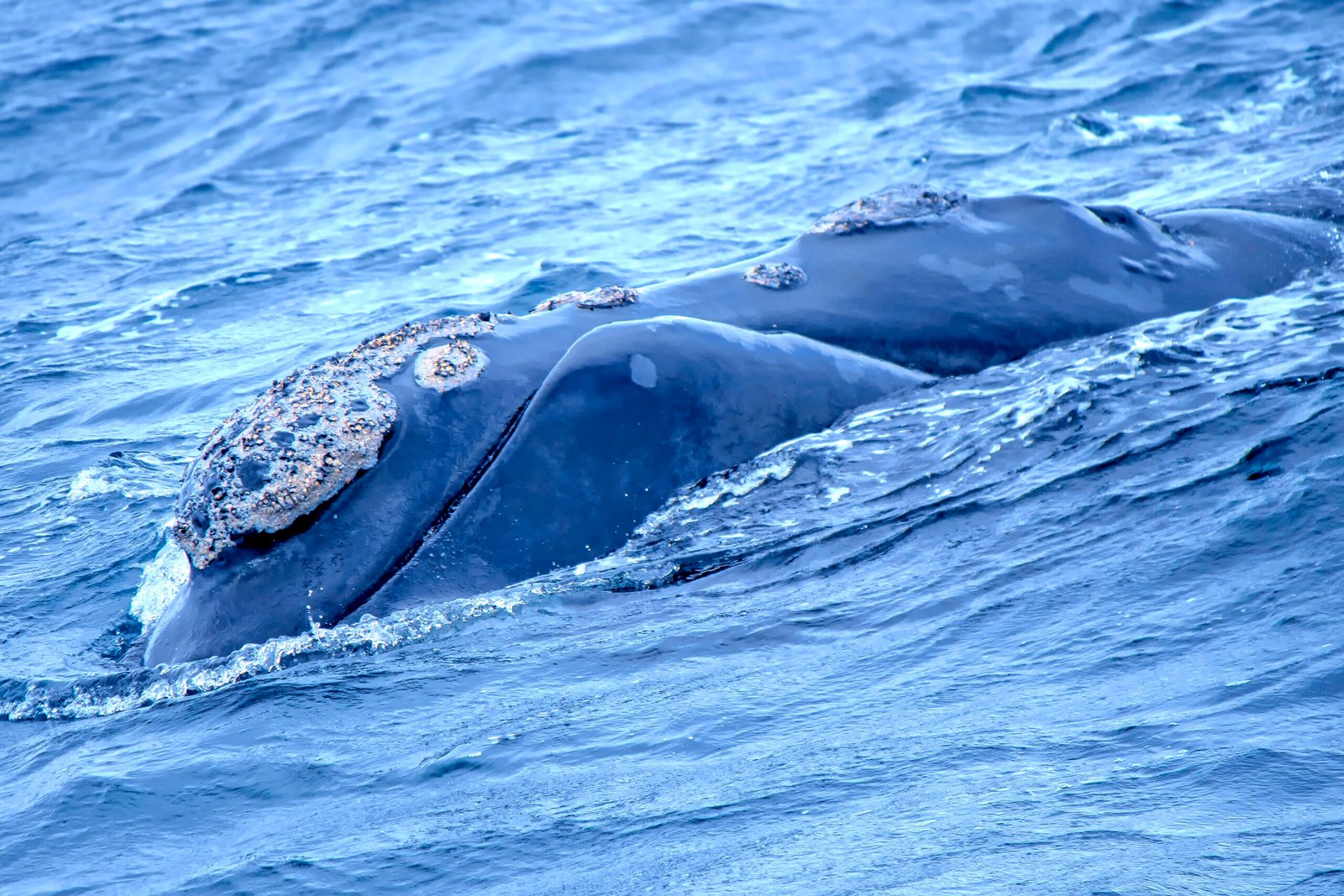
From December through April, Point Loma transforms into the premier viewing platform for one of nature’s most incredible journeys. Gray whales embark on their epic 12,000-mile migration from Alaska to Baja California, passing remarkably close to Point Loma’s rugged coastline.
“Standing at the lighthouse overlook on a crisp February morning, watching a mother gray whale guide her calf through the kelp beds below – these are the moments that define Point Loma’s magic,” shares our lead naturalist guide.
Blue Whale Spectacle: Summer’s Ocean Giants
June through October brings the world’s largest animals to San Diego’s waters. Blue whales, reaching lengths of up to 100 feet, feed in the nutrient-rich waters just offshore. Their massive spouts can be spotted from Point Loma’s elevated vantage points, creating an unforgettable spectacle.
Consistent Wildlife Encounters
Point Loma delivers year-round opportunities with resident populations of dolphins, sea lions, and seasonal visitors including humpback whales, minke whales, and pilot whales.
PRIME VIEWING LOCATIONS AT POINT LOMA
Cabrillo National Monument: The Crown Jewel
The Cabrillo National Monument offers the most elevated and comprehensive viewing experience. At 422 feet above sea level, the monument’s whale watching station provides:
- Panoramic ocean views extending 20+ miles offshore
- Educational exhibits detailing whale migration patterns
- Professional-grade spotting scopes available for visitor use
- Sheltered viewing areas for comfortable extended observation
Sunset Cliffs Natural Park
Just north of Point Loma proper, Sunset Cliffs provides dramatic clifftop viewing with:
- Multiple accessible viewpoints along the coastal trail
- Close-to-shore sightings during gray whale season
- Photography opportunities with stunning backdrop scenery
Tide Pool Areas: Multi-Sensory Experience
The rocky intertidal zones at Point Loma offer dual attractions:
- Marine life exploration during low tide periods
- Whale spotting from sea-level perspectives
- Family-friendly accessibility for all ages
WHALE SPECIES IDENTIFICATION GUIDE
Gray Whales: The Coastal Travelers
- Size: 40-50 feet in length
- Identification: Mottled gray coloration, heart-shaped spout
- Behavior: Surface breathing every 3-5 minutes, often visible in shallow waters
- Best Viewing: January through March for southbound migration
Blue Whales: The Ocean Giants
- Size: 70-100 feet in length
- Identification: Blue-gray coloration, tall columnar spout reaching 30 feet
- Behavior: Deep diving capabilities, surface intervals of 5-20 minutes
- Best Viewing: July through September during peak feeding season
Humpback Whales: The Acrobats
- Size: 45-60 feet in length
- Identification: Long pectoral fins, distinctive tail flukes
- Behavior: Frequent breaching, tail slapping, and surface activity
- Best Viewing: April through November
EXPERT VISITOR TIPS AND STRATEGIES
Optimal Viewing Conditions
- Early morning hours (7:00-10:00 AM) offer calmer seas and better visibility
- Clear weather days with minimal marine layer provide extended sight lines
- Moderate wind conditions (under 15 mph) ensure comfortable viewing experiences
Essential Equipment Recommendations
- Binoculars (8×42 or 10×50 magnification) for detailed observations
- Layered clothing to adapt to changing coastal conditions
- Sun protection including hats, sunglasses, and reef-safe sunscreen
- Camera equipment with telephoto capabilities for distant subjects
Strategic Positioning
- Arrive early to secure prime viewing locations during peak seasons
- Scan systematically from north to south along the horizon
- Watch for bird activity which often indicates whale feeding areas
- Be patient – whale sightings require time and persistence
ENVIRONMENTAL STEWARDSHIP AND IMPACT
Responsible Wildlife Viewing
Point Loma’s land-based whale watching offers environmentally sustainable wildlife encounters without disturbing marine ecosystems. Unlike boat-based tours, terrestrial viewing:
- Eliminates vessel noise that can disrupt whale communication
- Prevents accidental wildlife harassment through maintained distances
- Reduces carbon footprint associated with marine fuel consumption
- Supports habitat preservation through park entrance fees and donations
Conservation Education Opportunities
The Cabrillo National Monument Visitor Center provides comprehensive educational resources:
- Interactive exhibits explaining whale biology and migration patterns
- Conservation success stories highlighting species recovery efforts
- Climate change impacts on marine ecosystems and whale populations
- Citizen science programs for visitor participation in research efforts
FAMILY-FRIENDLY FACILITIES AND AMENITIES
Accessibility Features
Point Loma accommodates visitors of all abilities with:
- Paved pathways to primary viewing areas
- Wheelchair-accessible observation platforms
- Restroom facilities and picnic areas for extended visits
- Educational programming suitable for children ages 5 and up
Additional Attractions
Enhance your whale watching experience with:
- Historic lighthouse tours providing maritime history context
- Native plant gardens showcasing coastal ecosystem diversity
- Hiking trails offering varied perspectives and exercise opportunities
- Tide pooling expeditions during appropriate tidal conditions
Visitor Center Resources
The monument’s visitor center serves as your comprehensive planning hub:
- Real-time whale sighting reports from park rangers and volunteers
- Weather and sea condition updates for optimal viewing planning
- Educational materials and field guides for species identification
- Gift shop featuring locally-sourced and educational merchandise
PLANNING YOUR WHALE WATCHING ADVENTURE
Seasonal Timing Recommendations
- Peak Gray Whale Season: January 15 – March 15
- Optimal Blue Whale Viewing: July 1 – September 30
- Year-Round Opportunities: Dolphins and sea lions visible daily
- Weather Considerations: Avoid heavy marine layer periods (May-July mornings)
Duration and Scheduling
Plan for 2-4 hour visits to maximize sighting opportunities. Multiple short visits throughout different seasons provide comprehensive whale watching experiences and increase overall success rates.
Ready to experience Point Loma’s incredible whale watching opportunities? Our expert guides provide personalized recommendations based on current wildlife activity and optimal viewing conditions. Contact us today to plan your perfect whale watching adventure and discover why Point Loma remains San Diego’s premier land-based marine wildlife destination.
PLAN YOUR VISIT | CHECK CURRENT SIGHTINGS | BOOK GUIDED EXPERIENCE
Through expert planning and innovative wildlife viewing strategies, we are building unforgettable connections between visitors and San Diego’s magnificent marine ecosystem.
More to Explore