Standing at 11,053 feet above sea level, Mammoth Mountain beckoned to me like…
Powder Days and Perfect Turns: Timing Your Mammoth Mountain Ski Adventure
The first time I witnessed Mammoth Mountain’s legendary powder dump, I understood why seasoned skiers plan their entire seasons around this Eastern Sierra gem. With over 3,500 acres of skiable terrain and an average of 400 inches of snowfall annually, Mammoth stands as California’s premier destination for those seeking the perfect balance of challenging runs and breathtaking alpine beauty.
Mastering the Seasonal Sweet Spots
Peak Winter Magic: December Through February
Peak winter months deliver Mammoth’s most consistent powder conditions. January typically offers the deepest base depths, often exceeding 100 inches, while February provides the perfect combination of fresh snow and stable weather patterns. During these months, the mountain operates at full capacity with all 28 lifts running and access to the summit’s 11,053-foot elevation.
Insider tip: Book accommodations 3-4 months in advance for peak season, as availability becomes scarce and prices increase significantly.
Spring Skiing Excellence: March Through May
Spring skiing at Mammoth extends the season well into late May, offering unique advantages for powder enthusiasts and families alike. March delivers some of the season’s heaviest snowfall, while April and May provide longer daylight hours and warmer temperatures perfect for outdoor dining at the summit lodge.
The corn snow conditions during spring create ideal learning environments for beginners, as the softer snow surface is more forgiving than the firm winter base.
Early Season Opportunities: November
Early season deals make November an attractive option for budget-conscious skiers. While terrain access remains limited to mid-mountain runs, lift ticket prices drop by 30-40% compared to peak season rates. The mountain typically opens with 150+ acres of groomed terrain, focusing on beginner and intermediate trails.
Late Season Adventures: April Through June
Late season skiing offers extended daylight and unique snow conditions. May and June provide access to higher elevation terrain as lower runs close, creating an exclusive alpine experience. The Cornice Bowl and other advanced terrain remain open through Memorial Day weekend in most seasons.
Trail Difficulty Breakdown for Every Skill Level
Beginner-Friendly Terrain
Discovery Chair and Schoolyard Express provide gentle learning slopes with wide, groomed runs perfect for first-time skiers. These areas feature dedicated learning zones with professional instruction available daily. The Broadway run offers a scenic 2.5-mile cruise from mid-mountain to the base, ideal for building confidence.
Intermediate Adventures
Chair 9 and Chair 23 access Mammoth’s extensive intermediate terrain, including the popular Stump Alley and Roller Coaster runs. These trails offer varied pitch changes and natural features that challenge developing skiers without overwhelming them.
Advanced and Expert Challenges
The Cornice Bowl, Climax, and Paranoid Flats deliver world-class expert terrain. These runs feature steep pitches, natural obstacles, and off-piste opportunities for experienced powder hounds. The Dragon’s Back provides technical tree skiing through old-growth forest with stunning Sierra Nevada views.
Off-Peak Season Benefits
Crowd Management
Weekday skiing during off-peak periods offers virtually empty slopes. Mid-January through early February weekdays provide the best powder-to-crowd ratio, with lift lines rarely exceeding 5 minutes even at popular chairs.
Accommodation Value
Off-peak lodging rates drop by 50-60% compared to holiday periods. February and March offer the best value proposition, combining excellent snow conditions with reasonable accommodation costs.
Local Culture Immersion
Off-peak visits allow deeper engagement with Mammoth’s authentic mountain culture. Local restaurants and bars operate at a relaxed pace, providing opportunities to connect with longtime residents and seasonal workers who share insider knowledge about hidden powder stashes and local traditions.
Mammoth’s Unique Differentiators
Unmatched Terrain Variety
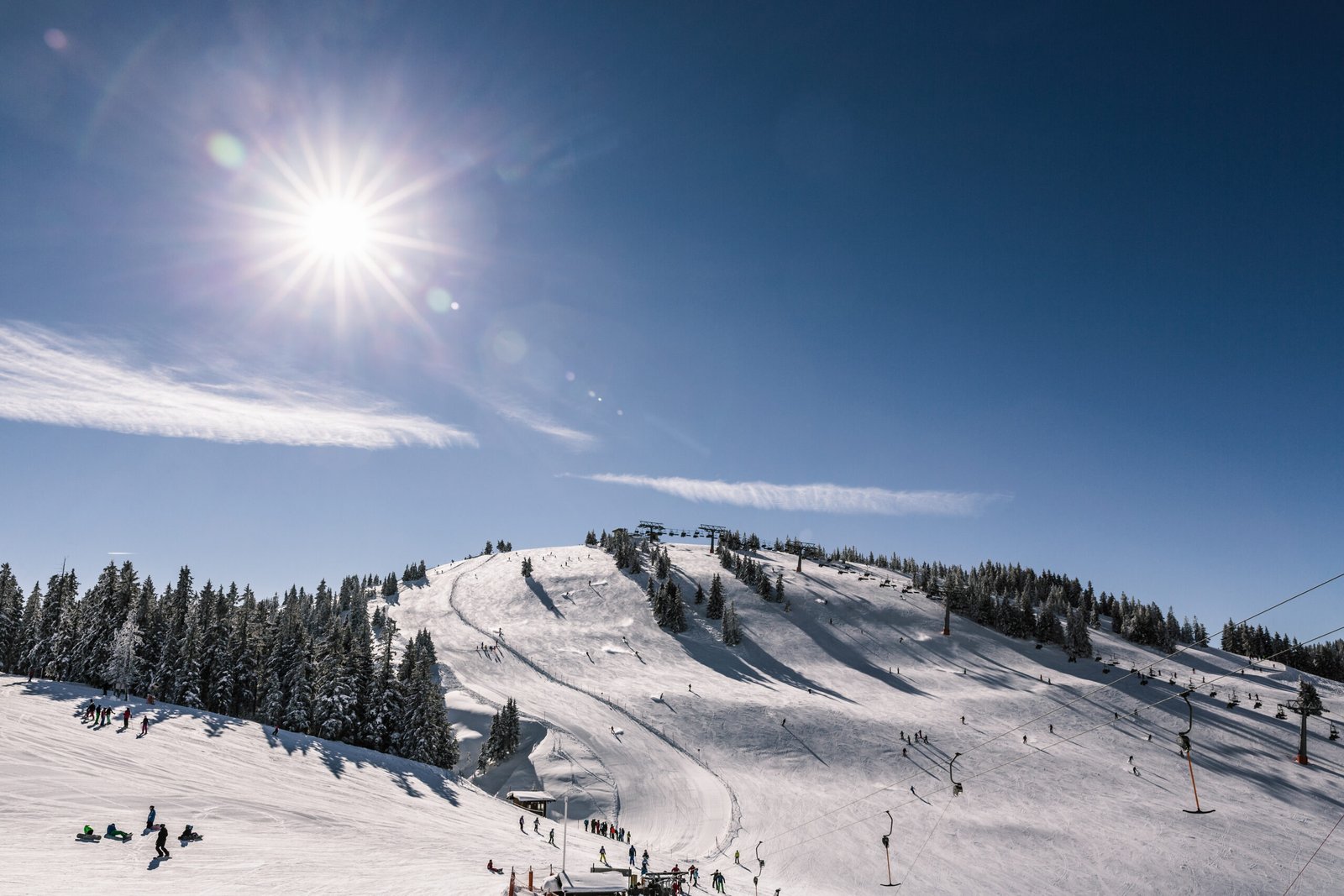
Mammoth’s 3,500 acres span four distinct mountain faces, each offering unique characteristics. The front face provides groomed cruisers and family-friendly terrain, while the back bowls deliver untouched powder days after storms. The summit elevation of 11,053 feet ensures reliable snow conditions throughout the extended season.
Scenic Alpine Beauty
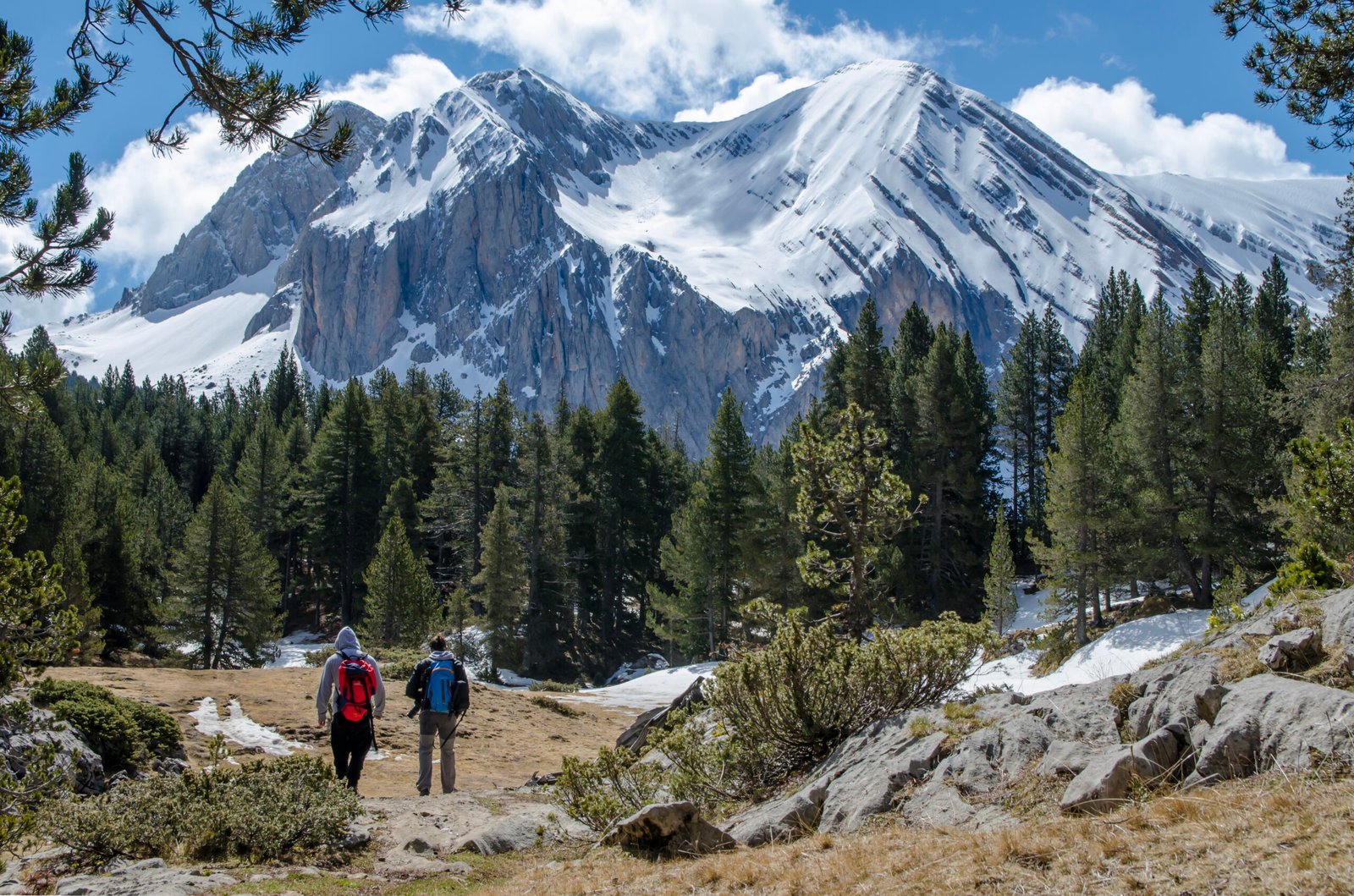
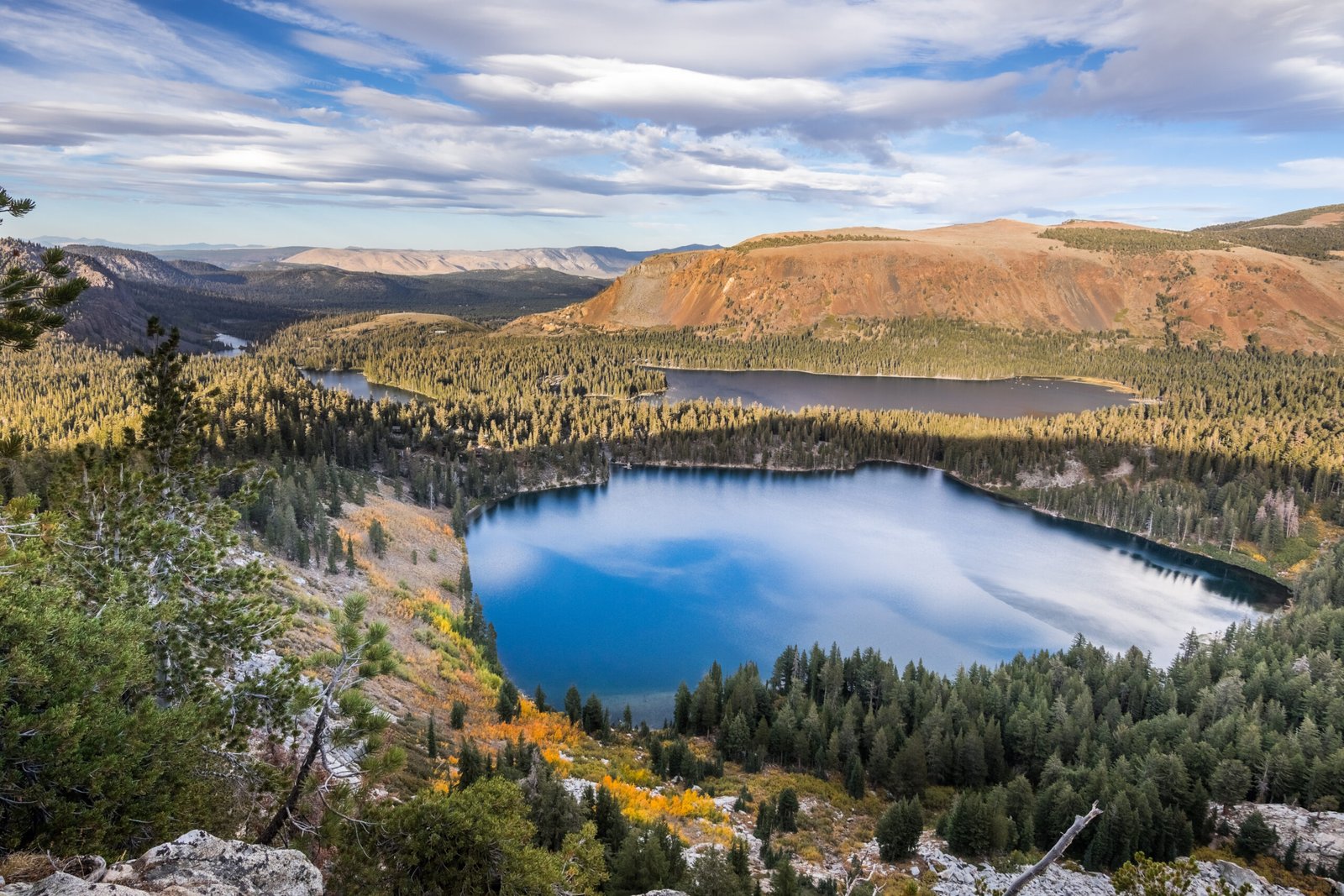
360-degree Sierra Nevada views from the summit create unforgettable moments between runs. The Mammoth Crest and Minarets provide dramatic backdrops for both skiing and photography. Clear days offer visibility extending to the White Mountains and Nevada border ranges.
Vibrant Après-Ski Scene
The Village at Mammoth creates a European-style base area with walkable access to restaurants, bars, and entertainment. Lakanuki offers craft cocktails with mountain views, while The Mogul provides classic ski lodge atmosphere with live music and hearty mountain fare.
Mammoth Brewing Company showcases local craft beer with seasonal selections inspired by mountain life. The brewery’s outdoor patio provides perfect après-ski gathering space with fire pits and mountain views.
Insider Tips for Perfect Turns
Weather Window Strategy
Monitor storm cycles 5-7 days in advance using specialized mountain weather services. The best powder days typically occur 24-48 hours after storm passage, when winds subside and visibility improves.
Lift Opening Priorities
Chair 23 and the Gondola provide first access to fresh snow on powder days. Arrive 30 minutes before opening to secure front-of-line positions for untouched runs.
Equipment Considerations
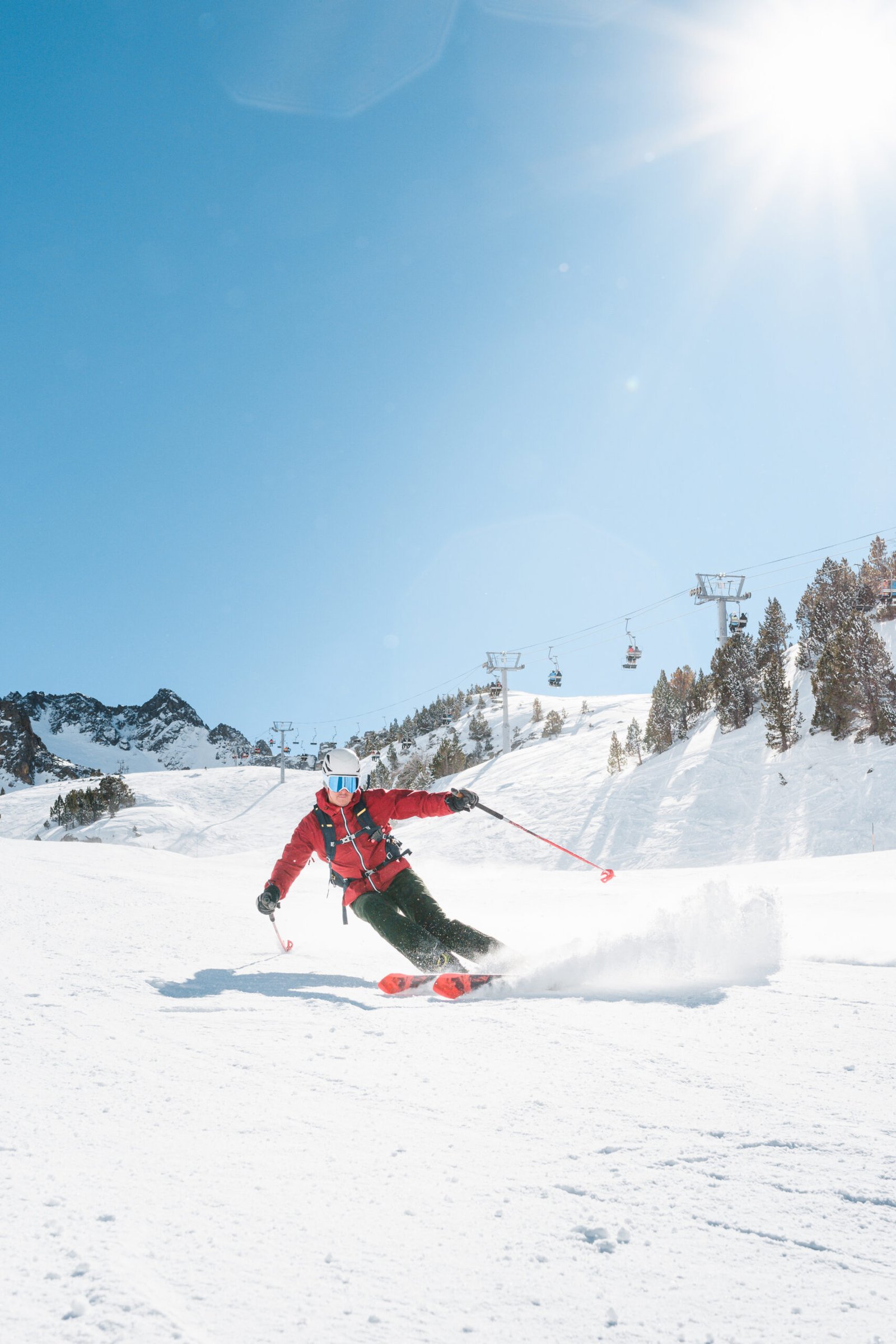
Wider skis (100mm+ underfoot) excel in Mammoth’s deep powder conditions. Local rental shops offer high-performance demo equipment, allowing experimentation with different ski designs throughout your visit.
Planning Your Perfect Timing
For families with beginners: Plan visits during March or April when weather conditions moderate and daylight hours extend. Spring break periods offer consistent conditions with warmer temperatures.
For powder enthusiasts: Target January through early March, focusing on weekday visits following storm systems. Monitor snow reports and maintain flexible travel dates.
For budget-conscious adventurers: Consider early December or late April visits when lift ticket prices drop significantly while maintaining good snow conditions.
For off-season explorers: May and June provide unique high-alpine experiences with extended daylight and spring corn snow conditions.
Ready to experience Mammoth Mountain’s legendary powder and perfect turns?
Check Current Snow Conditions | Book Your Adventure
Start planning your Mammoth Mountain ski adventure today and discover why this Eastern Sierra destination continues to attract powder enthusiasts from around the world.
More to Explore