The desert has a way of stripping away the noise—both external and internal. As the first…
Palm Springs Spring Wildflower Season: Where Desert Dreams Bloom in Technicolor
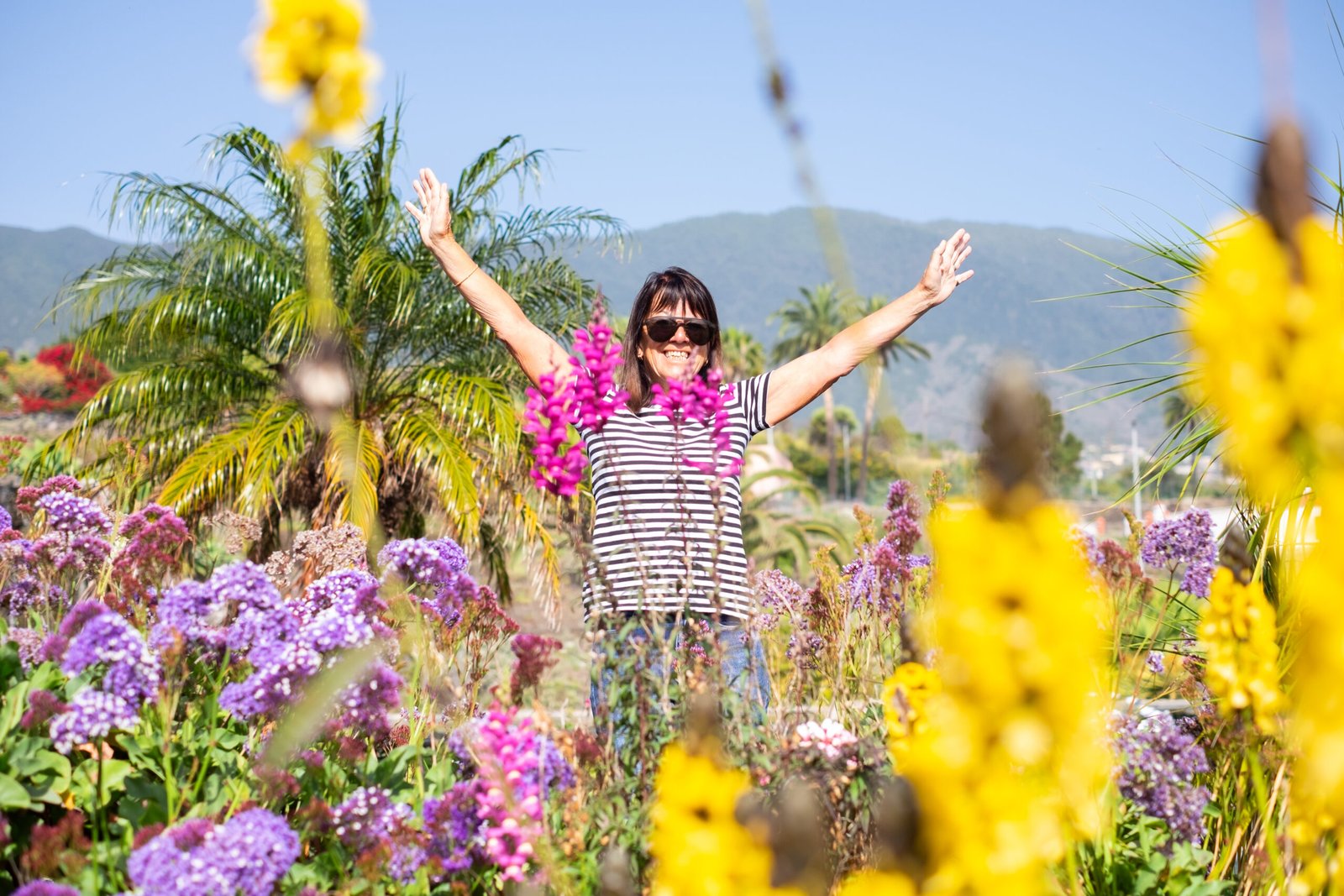
The Sonoran Desert awakens each spring with a spectacular transformation that rivals any botanical garden. Palm Springs’ wildflower season turns the seemingly barren landscape into a vibrant canvas of purples, yellows, oranges, and reds that stretch as far as the eye can see.
Prime Viewing Locations: Your Desert Bloom Map
Anza-Borrego Desert State Park
Just 90 minutes from Palm Springs, this 600,000-acre wonderland becomes California’s most spectacular wildflower destination. The park’s diverse elevation zones create multiple bloom windows, with lower desert areas peaking in March and higher elevations extending the show through May.
What makes it special: Home to over 200 wildflower species, including the rare Ghost Flower (Mohavea confertiflora) and stunning Desert Lupine (Lupinus sparsiflorus).
Indian Canyons
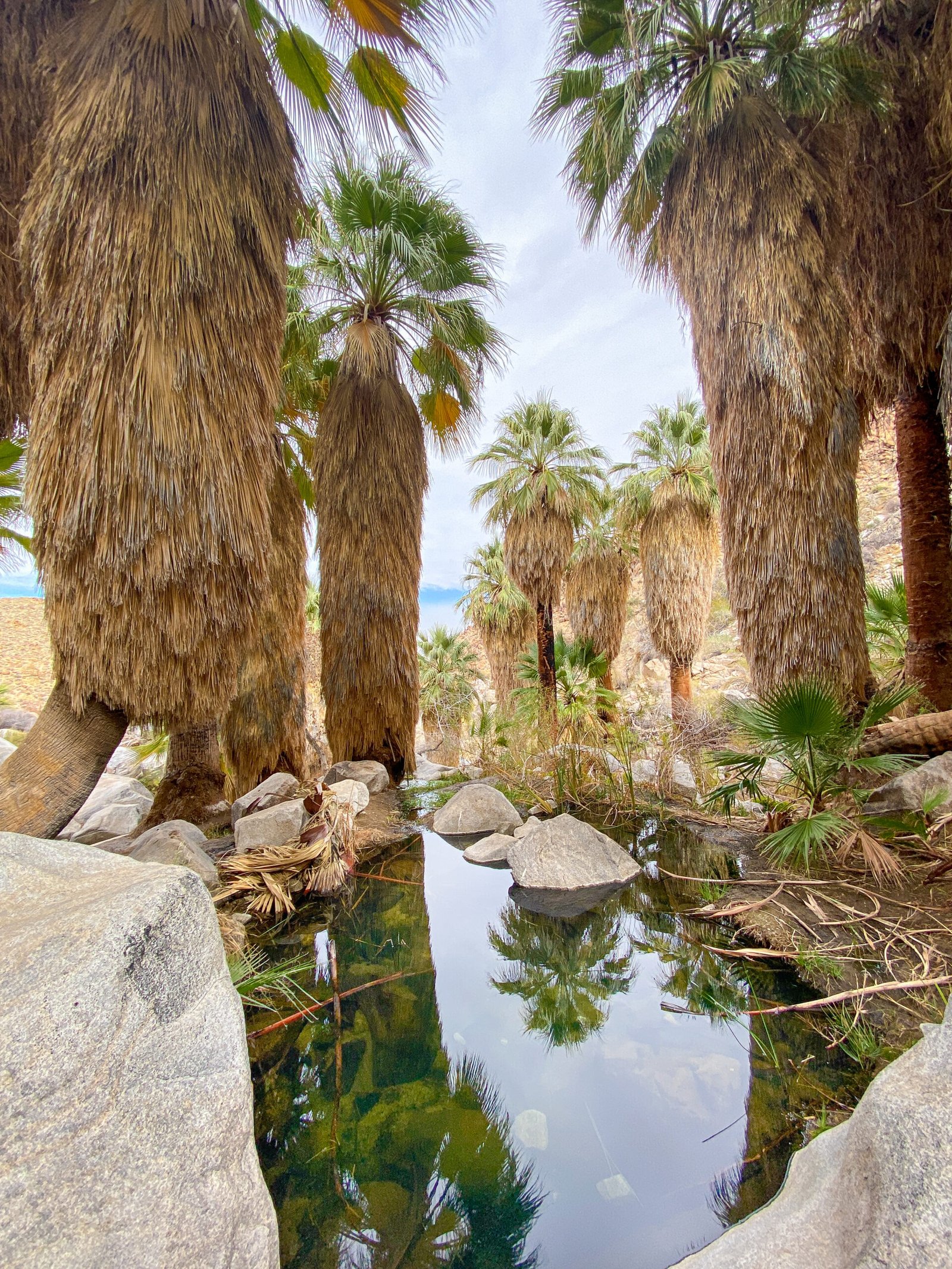
These sacred Agua Caliente tribal lands offer intimate canyon experiences where wildflowers cascade down rocky walls. The Palm Canyon Trail provides easy access for photographers seeking dramatic backdrop combinations of native palms and desert blooms.
Whitewater Preserve
This 2,851-acre sanctuary features year-round springs that create unique microclimates supporting rare wildflower communities. The cottonwood groves provide stunning contrast against fields of Desert Marigold and Brittlebush.
Joshua Tree National Park (West Entrance)
The transition zone between the Mojave and Colorado deserts creates extraordinary diversity. Cholla Cactus Garden becomes particularly photogenic when surrounded by carpets of Desert Primrose and Sand Verbena.
Find Your Perfect Viewing Spot →
Desert Wildflower Species Guide: Nature’s Rare Masterpieces
The Spectacular Seven
1. Desert Lupine (Lupinus sparsiflorus) These royal purple spires can reach three feet tall, creating dramatic foreground elements for photographers. Peak bloom: March-April.
2. Ghost Flower (Mohavea confertiflora) This rare endemic species produces ethereal white blooms with purple markings. Found only in specific sandy washes – a true treasure for botany enthusiasts.
3. Desert Marigold (Baileya multiradiata) Golden yellow daisy-like flowers bloom almost year-round but peak in spring. These hardy survivors often carpet entire hillsides.
4. Brittlebush (Encelia farinosa) Bright yellow composite flowers on silver-gray foliage create stunning color contrasts. Essential for understanding desert plant adaptations.
5. Desert Primrose (Oenothera deltoides) Large white flowers that open in evening and close by midday. Perfect for dawn photography sessions.
6. Sand Verbena (Abronia villosa) Magenta flower clusters form dense mats across sandy flats. Their sweet fragrance attracts sphinx moths at dusk.
7. Chuparosa (Justicia californica) Tubular red flowers bloom on leafless stems, specifically adapted for hummingbird pollination.
Photography Mastery: Capturing Desert Magic
Golden Hour Techniques
The desert’s dramatic lighting conditions require specific approaches. Shoot during the first two hours after sunrise and final two hours before sunset for warm, diffused light that brings out flower colors without harsh shadows.
Composition Strategies
- Use leading lines created by washes and rock formations to guide viewers to wildflower subjects
- Include scale elements like cacti or distant mountains to show the vastness of bloom fields
- Focus stack for maximum depth of field when shooting close-up flower portraits
Essential Gear Recommendations
- Macro lens (100mm recommended) for detailed flower portraits
- Wide-angle lens (16-35mm) for landscape compositions
- Circular polarizing filter to reduce glare and enhance sky contrast
- Reflector for fill lighting in harsh midday conditions
Download Photography Checklist →
Educational Guided Tour Experiences
Desert Botanical Society Tours
Expert-led expeditions combine wildflower identification with ecological education. These small-group experiences (maximum 12 participants) include field guides and magnifying equipment.
What you’ll learn:
- Desert plant survival strategies
- Pollinator relationships
- Traditional Native American plant uses
- Climate change impacts on bloom patterns
Photography Workshop Tours
Professional photographers lead hands-on sessions covering technical skills and artistic vision. Participants receive personalized instruction on camera settings, composition, and post-processing techniques.
Sunrise Specialty Tours
Early morning expeditions (5:30 AM start) capture the desert’s most magical moments. These tours include continental breakfast and focus on both photography and wildlife observation.
Book Your Educational Adventure →
Bloom Prediction and Optimal Timing
Understanding Desert Bloom Cycles
Desert wildflower displays depend on precise weather conditions:
- October-December rainfall of 3+ inches
- Consistent soil moisture through January
- Warm February temperatures (70-80°F days)
- Absence of strong winds during germination
2024 Season Outlook
Current conditions suggest exceptional bloom potential for March 15 – April 30. Lower elevation areas (below 1,000 feet) will peak first, followed by higher desert zones extending the season through May.
Real-Time Bloom Reports
Monitor conditions through:
- Anza-Borrego Desert State Park wildflower hotline
- Desert Botanical Society weekly updates
- Local photography groups on social media platforms
Sustainable Desert Tourism Practices
Leave No Trace Principles
Protect these fragile ecosystems for future generations:
- Stay on designated trails to prevent soil compaction
- Never pick wildflowers – they’re adapted to harsh conditions and picking disrupts seed production
- Pack out all waste including organic materials
- Respect wildlife by maintaining safe distances
Supporting Conservation Efforts
Your visit contributes to habitat preservation through park entrance fees and guided tour participation. Consider additional donations to organizations working to protect desert ecosystems.
Climate-Conscious Travel
Choose eco-friendly accommodations and consider carpooling to viewing areas to minimize environmental impact.
Support Desert Conservation →
Planning Your Desert Bloom Adventure
Accommodation Recommendations
Book early – wildflower season represents peak visitation. Consider desert resorts that offer specialized wildflower packages including guided tours and photography workshops.
Essential Preparations
- Sun protection: Wide-brimmed hat, sunglasses, SPF 30+ sunscreen
- Hydration: Minimum one gallon per person per day
- Appropriate footwear: Closed-toe shoes with good traction
- Weather-appropriate clothing: Layers for temperature fluctuations
Best Viewing Times
Early morning (6:00-10:00 AM) offers:
- Cooler temperatures
- Optimal lighting conditions
- Active wildlife
- Fresh flower appearances before daily heat stress
The Palm Springs wildflower season offers an unparalleled opportunity to witness nature’s resilience and beauty in one of North America’s most challenging environments. Whether you’re capturing the perfect photograph, expanding your botanical knowledge, or simply experiencing the wonder of desert blooms, this rare natural phenomenon creates memories that last a lifetime.
Ready to experience the desert’s most spectacular show? The wildflowers are waiting, but only for a brief, magical window each spring.
Start Planning Your Visit Today →
More to Explore