The desert has a way of stripping away the noise—both external and internal. As the first…
Palm Springs Desert Oasis Adventures: Discovering Hidden Swimming Holes and Natural Springs
The Sonoran Desert holds secrets that few discover—crystalline pools nestled between towering rock formations, natural springs that have sustained life for millennia, and swimming holes that offer respite from the desert heat. With decades of exploration experience in Southern California’s most pristine wilderness areas, we guide you to Palm Springs’ most treasured hidden oases.
EXPERT HIKING ROUTES TO SECRET SPRINGS
The Andreas Canyon Trail System
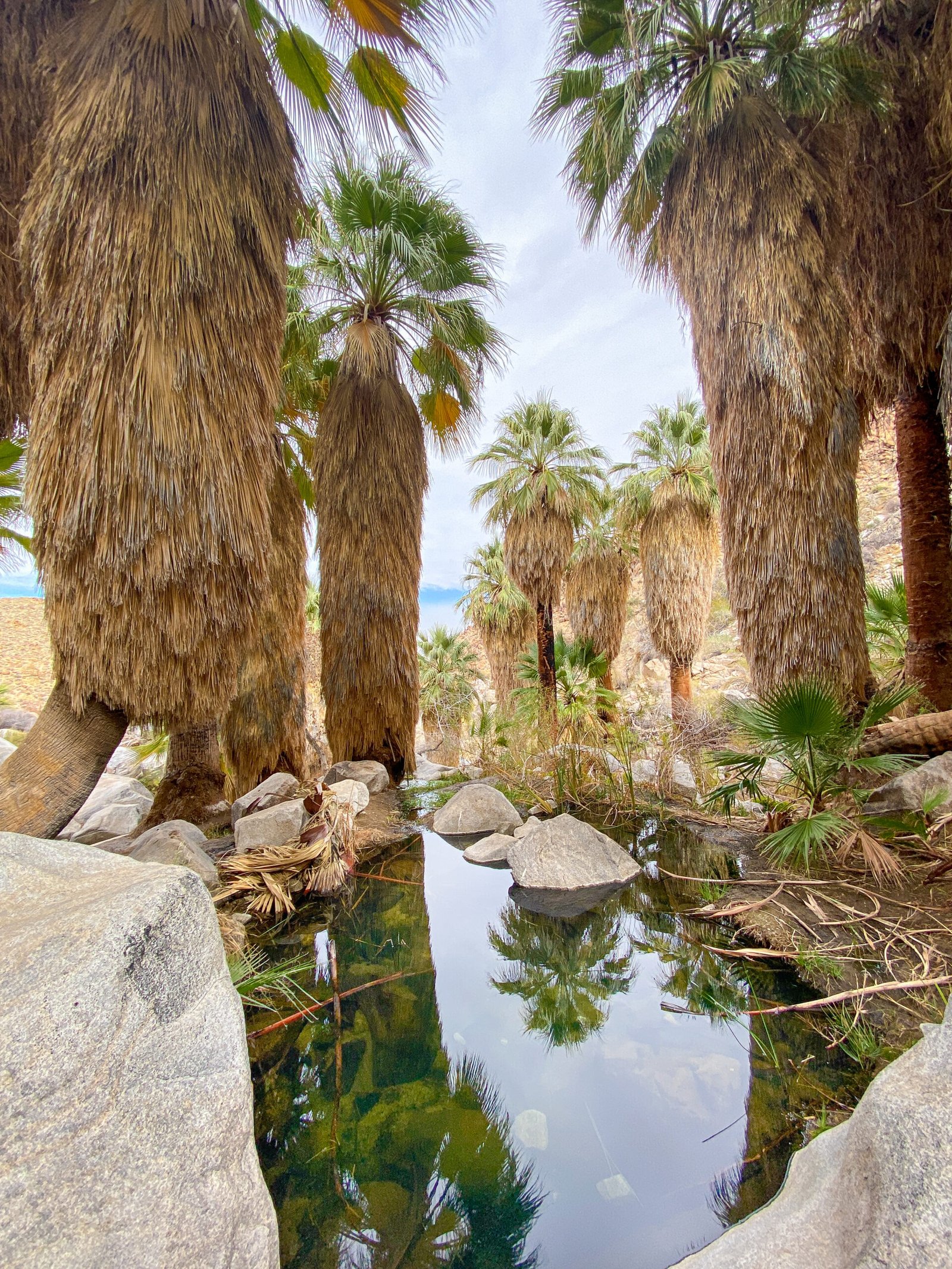
This moderate 2.5-mile loop leads adventurers through towering fan palms to secluded pools carved by centuries of flowing water. The trail begins at the Andreas Canyon parking area and requires sturdy hiking boots for rocky terrain navigation.
Navigation Details:
- Trailhead elevation: 780 feet
- Maximum elevation gain: 400 feet
- Estimated hiking time: 2-3 hours round trip
- Water availability: Natural springs present year-round
Murray Canyon’s Hidden Pools
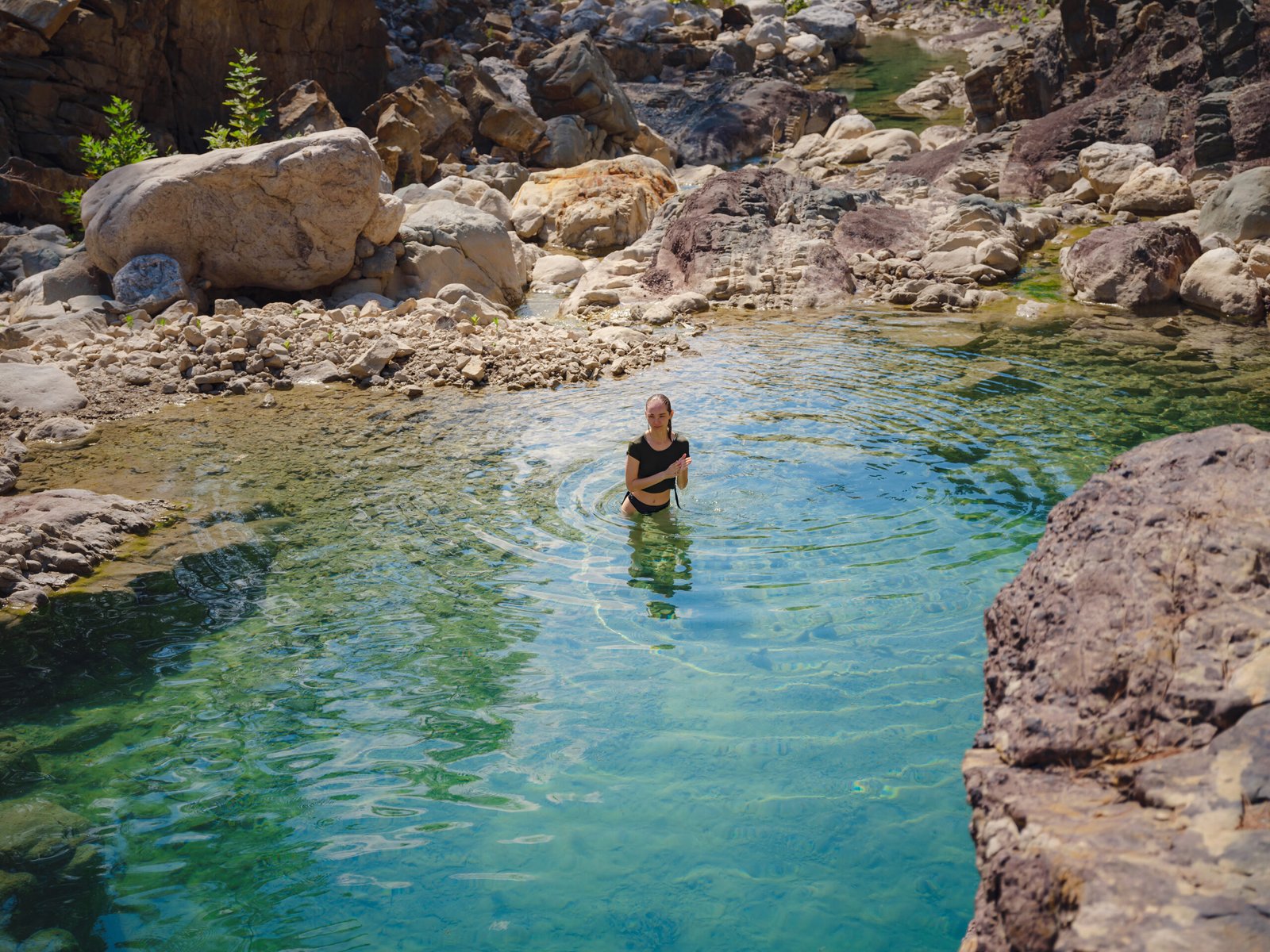
A challenging 4-mile trek rewards experienced hikers with pristine swimming holes surrounded by desert bighorn sheep habitat. The trail demands navigation skills and proper preparation for remote wilderness conditions.
Technical Requirements:
- GPS navigation recommended
- Rock scrambling experience essential
- Flash flood awareness critical
- Permit required for overnight camping
HISTORICAL SIGNIFICANCE OF DESERT SPRINGS
These natural oases served as vital lifelines for the Agua Caliente Band of Cahuilla Indians for over 5,000 years. Archaeological evidence reveals sophisticated irrigation systems and seasonal settlements around major spring sites.
Cultural Heritage Elements:
- Ancient grinding stones (metates) near water sources
- Traditional plant gathering areas for medicinal herbs
- Sacred ceremonial sites requiring respectful visitation
- Historical trading route intersections
The Spanish explorers documented these springs in the 1770s, noting their strategic importance for desert travel. Modern conservation efforts preserve both natural ecosystems and cultural heritage sites for future generations.
ECOLOGICAL IMPORTANCE OF DESERT OASES
Desert springs create biodiversity hotspots supporting over 200 species in concentrated areas. These microhabitats maintain year-round water availability in one of North America’s most arid regions.
Unique Ecosystem Features:
- Endemic fish species found nowhere else on Earth
- Migratory bird corridors supporting seasonal populations
- Rare desert pupfish (Cyprinodon macularius) conservation areas
- Native fan palm groves (Washingtonia filifera)
The springs maintain consistent temperatures between 78-82°F year-round, creating thermal refugia for temperature-sensitive species during extreme weather events.
SEASONAL EXPLORATION STRATEGIES
Spring Wildflower Season (March-May)
Peak blooming periods transform desert landscapes into vibrant displays of color. Desert lupine, brittlebush, and ghost flower create spectacular photography opportunities around spring areas.
Optimal Conditions:
- Moderate temperatures (70-85°F)
- Extended daylight hours
- Minimal flash flood risk
- Increased wildlife activity
Summer Peak Season (June-August)
Swimming conditions reach perfection with warm water temperatures and clear skies. However, extreme heat requires early morning departures and extensive water supplies.
Safety Considerations:
- Pre-dawn hiking starts (4:00-5:00 AM)
- Minimum 1 gallon water per person
- Electrolyte replacement essential
- Heat exhaustion prevention protocols
Winter Solitude Season (December-February)
Fewer crowds and comfortable hiking temperatures create ideal conditions for contemplative exploration. Wildlife viewing opportunities increase as animals concentrate around water sources.
REMARKABLE GEOLOGICAL FORMATIONS
Fault-Line Spring Systems
The San Andreas Fault system creates natural artesian wells where underground water reaches the surface through fractured bedrock. These geological processes produce the consistent water flow sustaining desert oases.
Formation Characteristics:
- Crystalline limestone deposits creating natural pools
- Travertine terraces formed by mineral precipitation
- Slot canyon formations carved by flash floods
- Ancient alluvial fan deposits
Rock Art and Mineral Deposits
Petroglyphs and pictographs adorn canyon walls near major springs, indicating thousands of years of human presence. Iron oxide deposits create striking red and orange rock colorations.
WILDLIFE AND RARE FLORA ENCOUNTERS
Desert Bighorn Sheep
These magnificent animals depend on spring areas for survival, particularly during drought periods. Early morning and late evening hours provide optimal viewing opportunities.
Observation Guidelines:
- Maintain 150-foot minimum distance
- Use telephoto lenses for photography
- Avoid disturbing water access routes
- Report sightings to wildlife authorities
Endemic Plant Communities
Desert fan palm oases support unique plant associations found nowhere else in North America. These relict communities survived ice age climate changes in protected canyon environments.
Notable Species:
- Desert willow (Chilopsis linearis)
- Honey mesquite (Prosopis glandulosa)
- Desert lavender (Hyptis emoryi)
- Brittlebush (Encelia farinosa)
RESPONSIBLE EXPLORATION PRINCIPLES
Leave No Trace Standards
Pristine wilderness preservation requires strict adherence to conservation principles. These fragile ecosystems cannot withstand irresponsible visitation practices.
Essential Guidelines:
- Pack out all waste materials
- Stay on designated trails
- Avoid disturbing wildlife
- Respect private property boundaries
- Obtain required permits
Water Quality Protection
Natural spring contamination poses serious threats to endemic species and ecosystem health. Visitors must prevent introduction of foreign substances into water systems.
Protection Measures:
- Use biodegradable soaps only
- Rinse equipment away from springs
- Avoid sunscreen in swimming areas
- Report pollution incidents immediately
PREPARATION AND SAFETY PROTOCOLS
Essential Equipment Checklist
Professional-grade preparation ensures safe and successful desert exploration experiences.
Required Gear:
- GPS navigation device with extra batteries
- First aid kit with snake bite protocol
- Emergency shelter and signaling devices
- Water purification tablets
- Sturdy hiking boots with ankle support
Emergency Communication
Cell phone coverage remains sporadic in remote canyon areas. Satellite communication devices provide essential safety backup for serious emergencies.
Communication Options:
- Personal locator beacons (PLB)
- Satellite messengers
- Two-way radios for group coordination
- Emergency whistle signals
PHOTOGRAPHY AND DOCUMENTATION
Optimal Lighting Conditions
Golden hour illumination creates stunning visual contrasts between desert landscapes and spring oases. Professional photographers recommend early morning sessions for optimal lighting.
Technical Considerations:
- Polarizing filters reduce water glare
- Wide-angle lenses capture canyon perspectives
- Macro lenses reveal intricate rock formations
- Waterproof equipment protection essential
Ready to discover Palm Springs’ most spectacular hidden oases? Our expert guides possess decades of desert exploration experience and intimate knowledge of these pristine wilderness areas. Contact us today to plan your responsible desert adventure and experience the magic of these ancient springs.
PLAN YOUR DESERT OASIS ADVENTURE
Through expert planning and innovative design, we are building the future of sustainable desert tourism. With 20 years in the industry, we are leaders in responsible wilderness exploration.
More to Explore