San Francisco captivates millions of visitors each year with its iconic landmarks, diverse neighborhoods, and unparalleled…
Pacific Heights Elegance Meets Haight-Ashbury Rebellion: A Tale of Two San Francisco Worlds
San Francisco’s soul lives in its contradictions, and nowhere is this more dramatically illustrated than in the striking contrast between Pacific Heights and Haight-Ashbury. These neighboring districts tell the story of America itself—one draped in Victorian grandeur and old money sophistication, the other pulsing with counterculture rebellion and artistic freedom.
The Architecture of Dreams and Rebellion
Pacific Heights: Where Victorian Majesty Reigns Supreme
Walking through Pacific Heights feels like stepping into a living museum of American prosperity. The Victorian mansions that line these prestigious streets stand as monuments to the Gilded Age, their ornate facades telling stories of railroad barons and silver kings who shaped the West.
The iconic “Painted Ladies” along Alamo Square represent the pinnacle of Victorian architectural artistry. These meticulously restored homes, with their intricate gingerbread trim and bold color schemes, have become symbols of San Francisco’s architectural heritage. Each mansion commands million-dollar views of the bay, their wraparound porches and bay windows designed to capture both light and the admiration of passersby.
Notable architectural gems include:
- The Spreckels Mansion on Washington Street
- The Whittier Mansion, now the California Historical Society
- The opulent homes along Broadway’s “Gold Coast”
Haight-Ashbury: Bohemian Beauty in Decay and Revival
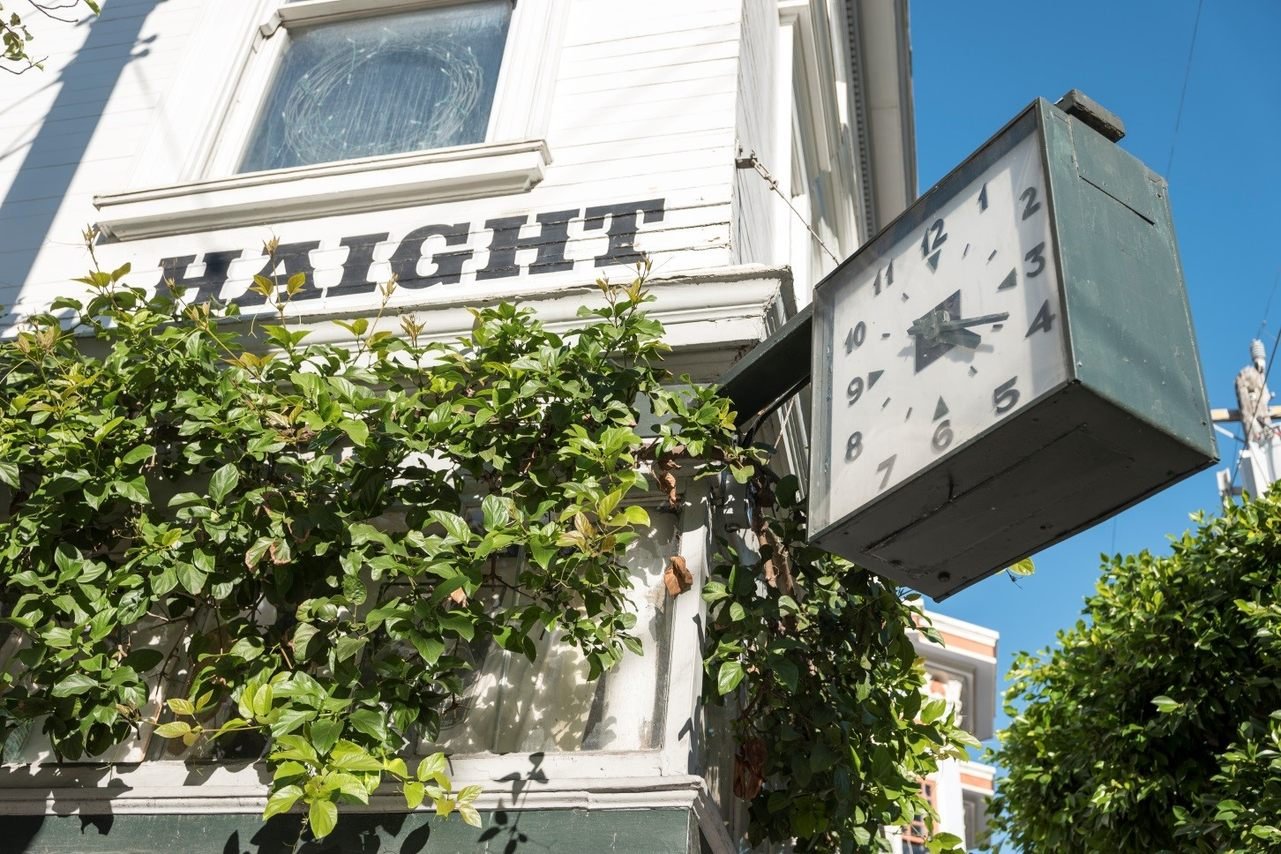
Just blocks away, Haight-Ashbury presents a completely different architectural narrative. Here, the same Victorian bones support a radically different aesthetic philosophy. The neighborhood’s buildings wear their history like vintage clothing—layered, eclectic, and unapologetically authentic.
The famous hippie boutiques occupy converted Victorian storefronts, their psychedelic murals and hand-painted signs creating a kaleidoscope of color against century-old facades. Street art locations transform ordinary walls into canvases for social commentary and artistic expression, making every walk through the neighborhood a gallery experience.
Explore Haight-Ashbury Street Art Tour
Cultural Time Capsules: From Gold Rush to Summer of Love
The Victorian Era Legacy (1860s-1900s)
Pacific Heights emerged during San Francisco’s post-Gold Rush boom, when newly wealthy entrepreneurs sought to establish their social status through architectural grandeur. The neighborhood became home to the “Big Four” railroad magnates and other industrial titans who built palatial homes designed to last generations.
The cultural DNA of Pacific Heights was established during this era—one of refined taste, social exclusivity, and conservative values that persist today. Garden parties, charity galas, and private clubs became the social fabric that still defines much of the neighborhood’s character.
The 1960s Counterculture Revolution
While Pacific Heights maintained its buttoned-up elegance, Haight-Ashbury exploded into national consciousness during the Summer of Love in 1967. The neighborhood became ground zero for the hippie movement, attracting young people from across America seeking alternative lifestyles and spiritual awakening.
Famous residents’ homes tell this story:
- The Grateful Dead’s communal house at 710 Ashbury Street
- Janis Joplin’s residence on Lyon Street
- The Diggers’ free store locations
The cultural revolution wasn’t just about music and drugs—it represented a fundamental challenge to the establishment values embodied by neighborhoods like Pacific Heights. Where Pacific Heights celebrated material success, Haight-Ashbury embraced spiritual wealth and communal living.
Modern Lifestyle Contrasts: Two Worlds, One City
Pacific Heights Today: Sophisticated Urban Living
Contemporary Pacific Heights residents enjoy some of the most exclusive urban living in America. The neighborhood attracts tech executives, venture capitalists, and established professionals who value privacy, security, and proximity to downtown without sacrificing suburban tranquility.
Modern amenities include:
- Exclusive private schools and elite fitness clubs
- High-end boutiques along Fillmore Street
- Michelin-starred restaurants and wine bars
- Pristine parks and manicured gardens
The lifestyle here revolves around discretion and quality—residents prefer understated luxury to flashy displays of wealth.
Haight-Ashbury’s Creative Renaissance
Today’s Haight-Ashbury has evolved into a vibrant creative district that honors its rebellious past while embracing contemporary artistic expression. The neighborhood attracts artists, musicians, writers, and entrepreneurs who value authenticity over affluence.
The area pulses with creative energy:
- Independent record stores and vintage clothing shops
- Organic cafes and community gardens
- Live music venues and art galleries
- Diverse, affordable dining options
Discover Local Artists and Musicians
Tourist Attractions: Experiencing Both Worlds
Pacific Heights Must-Sees
Architectural Tours: Self-guided walking tours reveal the stories behind the mansions, including tales of the families who built San Francisco’s early fortunes.
Lafayette Park: This hilltop oasis offers panoramic city views and serves as the neighborhood’s green heart, perfect for understanding the area’s residential appeal.
Fillmore Street Shopping: Upscale boutiques and galleries provide insight into contemporary Pacific Heights culture.
Haight-Ashbury Essential Experiences
The Red Victorian Bed & Breakfast: Stay in a piece of hippie history, where each room celebrates a different aspect of 1960s culture.
Amoeba Music: This legendary record store represents the neighborhood’s ongoing musical heritage.
Golden Gate Park’s Hippie Hill: Where the counterculture movement gathered and still attracts free spirits today.
Book Your Neighborhood Walking Tour
The Enduring Dance Between Elegance and Rebellion
What makes San Francisco extraordinary isn’t that these contrasting neighborhoods exist, but that they thrive side by side, each enriching the city’s cultural tapestry. Pacific Heights provides stability and tradition, while Haight-Ashbury offers innovation and artistic freedom.
Modern San Francisco benefits from this dynamic tension. The city’s tech boom has created new wealth that flows through both neighborhoods, but each processes this prosperity through its own cultural lens. Pacific Heights embraces it with sophisticated restraint, while Haight-Ashbury questions it with artistic skepticism.
The neighborhoods continue to influence each other:
- Young tech workers living in Pacific Heights seek authenticity in Haight-Ashbury’s cafes and clubs
- Haight-Ashbury artists find patronage among Pacific Heights collectors
- Both neighborhoods share concerns about gentrification and preserving San Francisco’s character
Planning Your Visit: Bridging Two Worlds
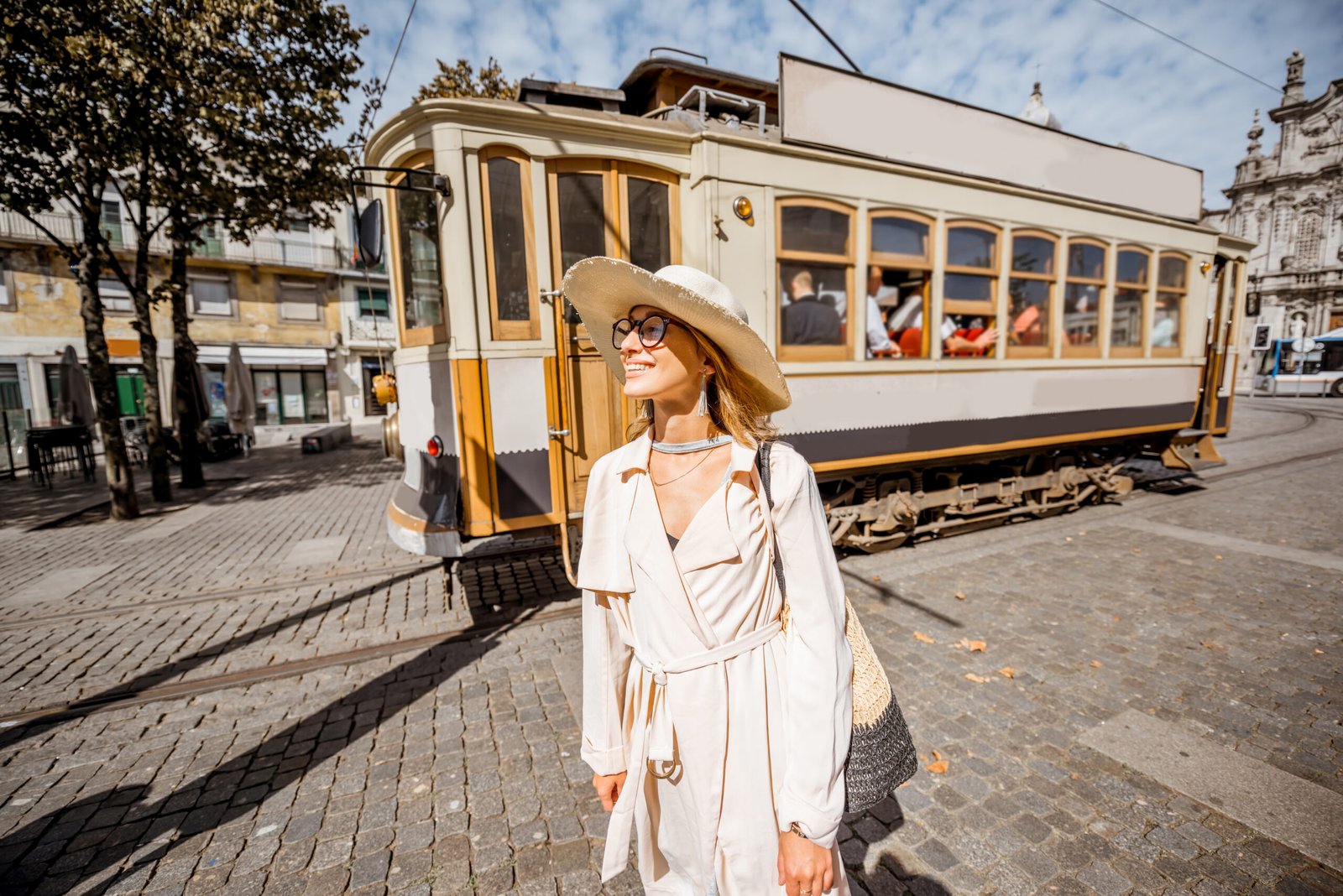
To truly understand San Francisco, spend time in both neighborhoods. Start your morning with coffee in Pacific Heights’ refined cafes, admiring the architectural details and manicured gardens. Then walk or take the historic streetcar to Haight-Ashbury for lunch, browsing vintage shops and soaking in the creative atmosphere.
Recommended itinerary:
- Morning: Pacific Heights architectural walk and Fillmore Street shopping
- Afternoon: Haight-Ashbury vintage browsing and street art exploration
- Evening: Dinner in one neighborhood, nightlife in the other
Get Your Complete Neighborhood Guide
The story of Pacific Heights and Haight-Ashbury is ultimately the story of America itself—the tension between tradition and innovation, wealth and creativity, conformity and rebellion. In San Francisco, these forces don’t cancel each other out; they create something entirely new and endlessly fascinating.
Experience both worlds. Understand the complete San Francisco story.
More to Explore