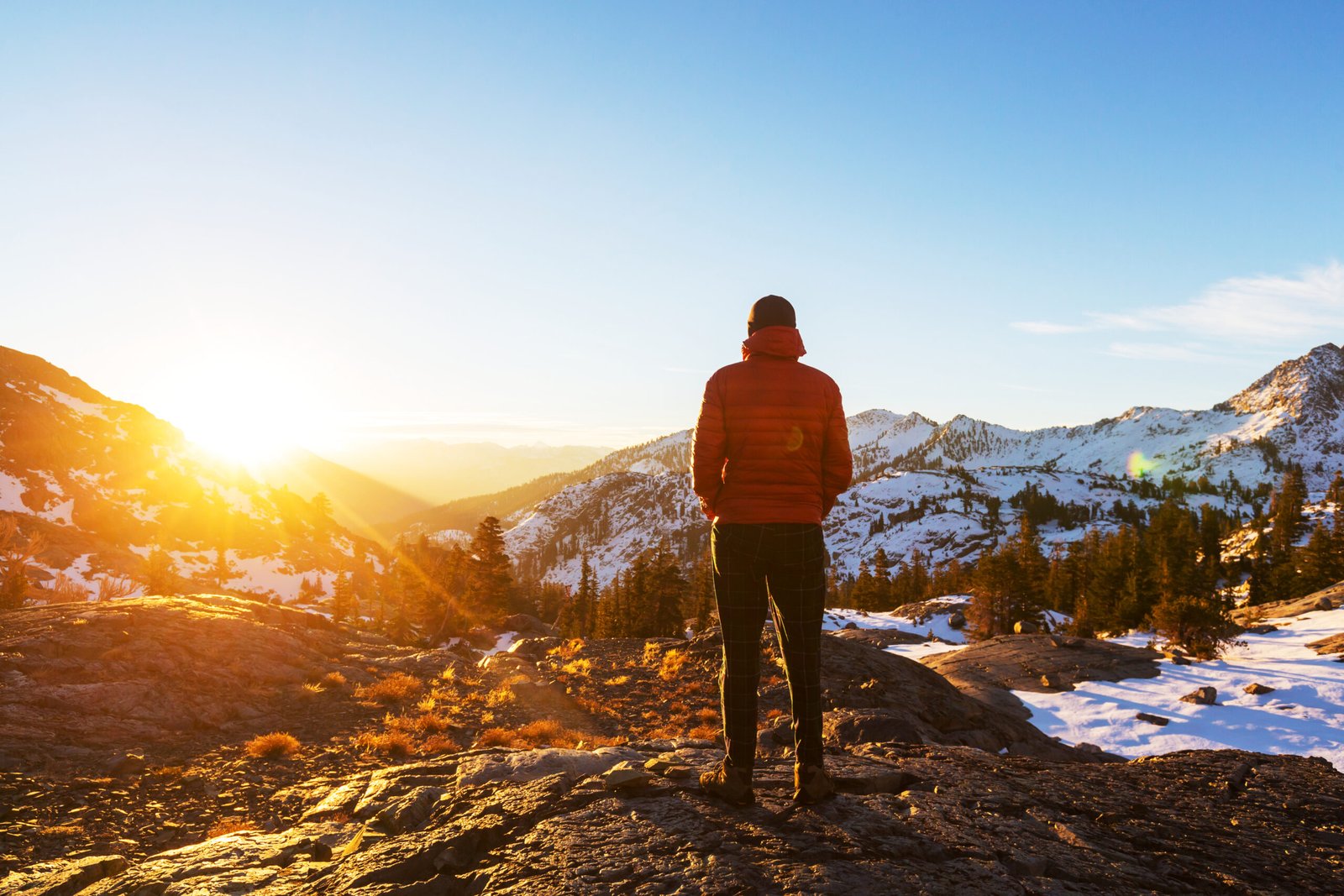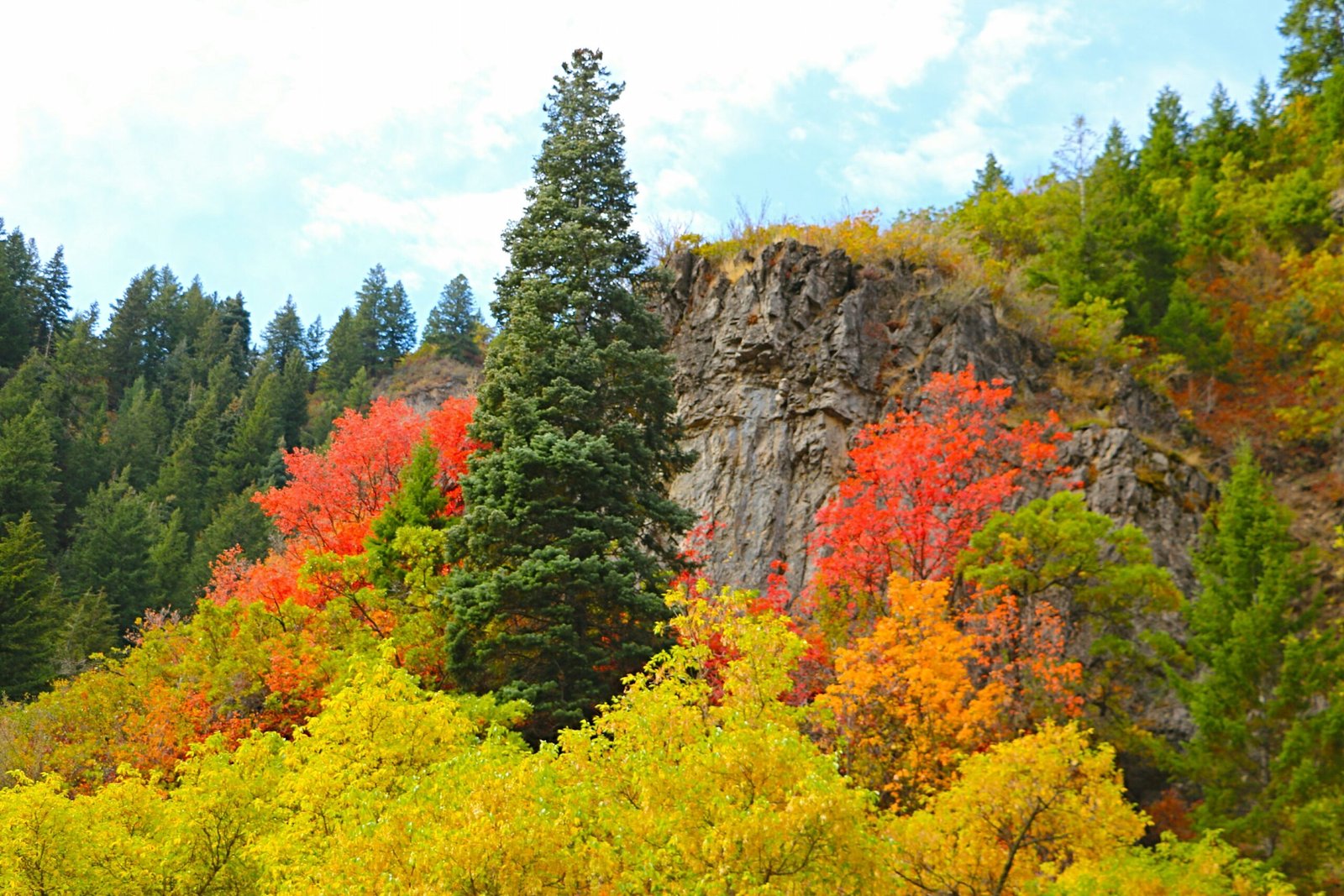
Nestled in the heart of the Sierra Nevada mountains at 6,000 feet elevation, Truckee stands as…
Gold Rush Echoes: Uncovering Truckee’s Wild West Legacy
Where mountain peaks witnessed fortunes made and lost, and railroad dreams carved through granite determination
The piercing whistle of the Central Pacific locomotive still seems to echo through Truckee’s mountain valleys, carrying with it the ghosts of forty-niners, Chinese laborers, and determined entrepreneurs who transformed this rugged Sierra Nevada landscape into one of California’s most fascinating Gold Rush destinations.
The Thunder of Discovery: 1848-1855
When James Marshall’s fateful discovery at Sutter’s Mill sent shockwaves across the nation in 1848, the ripple effects reached deep into the Sierra Nevada mountains. Truckee’s story began not with a single eureka moment, but with the steady determination of prospectors who recognized the area’s unique geographical advantages.
The Truckee River, flowing westward from Lake Tahoe, became the lifeline of hope for thousands of fortune seekers. Unlike the crowded claims of the American River, Truckee offered something precious: space to dream and dig.
Mining Techniques That Shaped the Landscape
The granite-hard terrain of the Sierra Nevada demanded innovation. Prospectors in Truckee pioneered several mining techniques that would later spread throughout the West:
Hydraulic Mining Revolution: By the 1860s, miners had learned to harness the power of mountain streams, directing high-pressure water jets against hillsides. The scars of these operations still mark the landscape today, serving as permanent reminders of human ambition meeting natural resistance.
Placer vs. Lode Mining: While early prospectors focused on placer mining along the Truckee River, the real fortunes lay hidden in quartz veins threading through the mountains. The transition from pan-and-rocker operations to deep shaft mining marked Truckee’s evolution from camp to permanent settlement.
Faces of Fortune: The People Who Built Truckee
Joseph Gray – The Forgotten Pioneer
Long before Truckee became a railroad town, Joseph Gray established the area’s first permanent structure in 1863. His cabin, strategically positioned near the river crossing, became the nucleus around which the town would grow. Gray’s story exemplifies the quiet determination that characterized many Sierra pioneers – less dramatic than the tales of instant millionaires, but far more representative of the true Gold Rush experience.
The Chinese Connection
The arrival of the Central Pacific Railroad brought thousands of Chinese workers to Truckee, creating a cultural intersection that would define the town’s character for generations. These skilled laborers, many with mining experience from their homeland, introduced sophisticated techniques for working difficult terrain.
Their legacy lives on in the carefully constructed stone walls and water management systems that still function throughout the area.
When Nature Fought Back: The Winter of 1866-67
The Sierra Nevada’s most formidable challenge wasn’t hidden gold deposits or claim jumpers – it was winter itself. The legendary winter of 1866-67 buried Truckee under more than 40 feet of snow, trapping residents for months and testing the limits of human endurance.
Survival stories from this period reveal the extraordinary resourcefulness of Gold Rush communities:
- Tunnels connecting buildings allowed movement during the deepest snows
- Community food sharing prevented starvation
- Innovative heating systems using mine shaft principles kept families alive
This winter became a defining moment that separated temporary fortune seekers from permanent settlers. Those who survived earned their place in Truckee’s founding mythology.
Economic Transformation: From Boom to Sustainable Growth
The Railroad Changes Everything
The completion of the transcontinental railroad through Truckee in 1868 marked the end of the traditional Gold Rush era and the beginning of something entirely new. The town’s strategic location transformed it from a mining camp into a crucial transportation hub.
Economic indicators tell the story:
- 1865: Population 200, primarily miners
- 1870: Population 1,200, diverse occupations
- 1875: Population 2,000, established businesses and services
Beyond Gold: Lumber and Ice
Smart entrepreneurs recognized that Truckee’s real treasure wasn’t buried in the ground but growing on the mountainsides. Massive logging operations supplied timber for mining operations throughout the region, while the area’s pristine lakes provided ice for San Francisco’s growing population.
This diversification saved Truckee from the boom-and-bust cycle that destroyed many Gold Rush towns.
Cultural Crossroads: Where Worlds Collided
The Gold Rush brought together an unprecedented mix of cultures in the Sierra Nevada. Truckee became a microcosm of California’s multicultural transformation:
Indigenous Washoe and Paiute peoples watched their traditional lands transform, sometimes participating in the new economy as guides and suppliers, other times resisting encroachment on sacred sites.
European immigrants brought mining techniques from Cornwall, Wales, and Germany, adapting Old World knowledge to New World challenges.
Mexican Californios contributed crucial knowledge about mountain survival and livestock management.
This cultural mixing created a unique frontier society where practical skills mattered more than social pedigree.
Geographical Challenges: Engineering Against Nature
Building a permanent settlement at 6,000 feet elevation, surrounded by granite peaks and subject to extreme weather, required extraordinary engineering solutions:
Water Management Systems
- Elaborate flume networks directed water for mining and municipal use
- Stone-lined channels, many built by Chinese workers, proved remarkably durable
- Underground cisterns stored water during winter months
Transportation Networks
- Wagon roads carved into seemingly impossible cliff faces
- Bridge construction over the Truckee River required innovative techniques
- Winter supply routes demanded careful planning and community cooperation
The Indigenous Perspective: Voices from the Margins
While mainstream Gold Rush narratives often overlook Indigenous experiences, the Washoe and Paiute peoples were active participants in Truckee’s transformation. Their deep knowledge of Sierra Nevada geography, weather patterns, and survival techniques proved invaluable to newcomers.
Traditional ecological knowledge helped miners understand:
- Seasonal water flow patterns
- Safe travel routes through mountain passes
- Sustainable resource management practices
These contributions, though rarely acknowledged in contemporary accounts, were essential to the region’s development.
Natural Disasters: When Mountains Moved
The Sierra Nevada’s geological instability created constant challenges for Gold Rush communities. Avalanches, floods, and earthquakes regularly reshaped both landscape and human plans.
The Great Flood of 1862
Unprecedented rainfall turned the Truckee River into a destructive torrent, washing away months of mining work and forcing complete reconstruction of the town’s infrastructure. This disaster taught valuable lessons about building with nature rather than against it.
Avalanche Alley
Truckee’s location in a natural avalanche path created ongoing dangers that required innovative solutions:
- Strategic building placement to avoid slide zones
- Early warning systems based on weather observation
- Community rescue protocols that saved countless lives
Boom Town Tales: Stories That Built a Legend
Every Gold Rush town has its colorful characters and unlikely stories. Truckee’s collection rivals any in the West:
The Mysterious Millionaire
Local legend speaks of a reclusive prospector who discovered a rich vein but never revealed its location. His cabin, found empty one spring morning, contained detailed maps that led nowhere – or everywhere, depending on who tells the story.
The Great Bear Hunt of 1869
When a massive grizzly bear began raiding mining camps, the entire community united in an epic hunt that lasted three weeks and became the stuff of local mythology. The bear’s ultimate fate remains debated in Truckee taverns to this day.
Post-Gold Rush Legacy: Building Modern Truckee
The end of the Gold Rush didn’t mean the end of Truckee’s story – it marked the beginning of its transformation into a sustainable mountain community. The infrastructure, skills, and cultural diversity created during the mining era provided the foundation for:
- Tourism industry based on natural beauty and historical significance
- Recreational economy utilizing the same geographical features that attracted miners
- Transportation hub continuing the railroad’s legacy into the automotive age
Echoes in Today’s Landscape
Modern visitors to Truckee can still discover tangible connections to the Gold Rush era:
Historic Downtown: Original buildings from the 1870s house contemporary businesses, creating a living link between past and present.
Mining Remnants: Careful observers can spot old mining equipment, abandoned shafts, and hydraulic mining scars throughout the surrounding mountains.
Cultural Traditions: Annual festivals and community events maintain connections to the area’s multicultural Gold Rush heritage.
Exploring Truckee’s Gold Rush Heritage Today
For those inspired to discover more of Truckee’s fascinating history:
[Visit the Truckee Historical Society] – Explore authentic artifacts and detailed exhibits that bring the Gold Rush era to life.
[Take a Heritage Walking Tour] – Follow marked trails that connect significant Gold Rush sites throughout the historic district.
[Experience Mining History] – Several local organizations offer hands-on gold panning experiences using traditional techniques.
The mountains around Truckee hold countless stories still waiting to be discovered. Each trail, each weathered building, each carefully placed stone carries echoes of the dreams and determination that built this remarkable community.
Ready to explore Truckee’s Gold Rush legacy for yourself? The adventure begins with a single step into history.
[PLAN YOUR HISTORICAL ADVENTURE TODAY]More to Explore