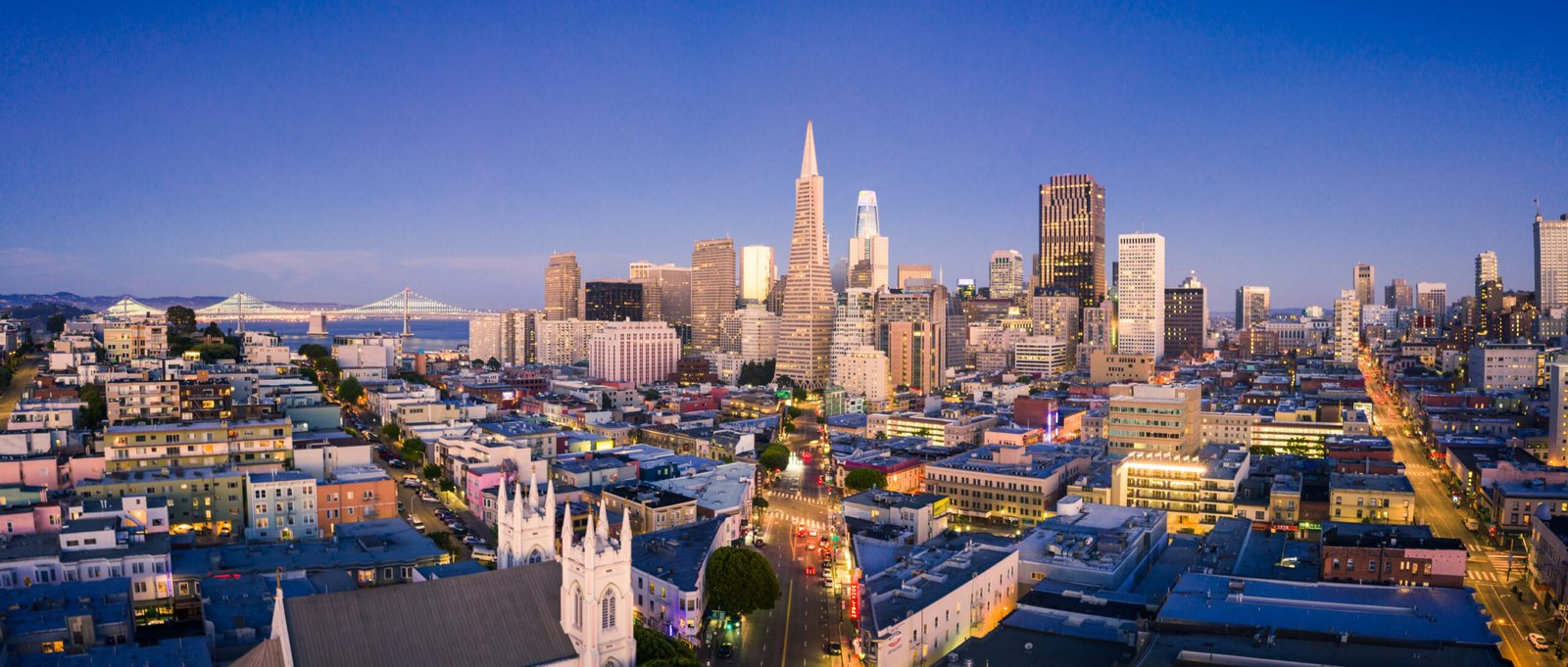
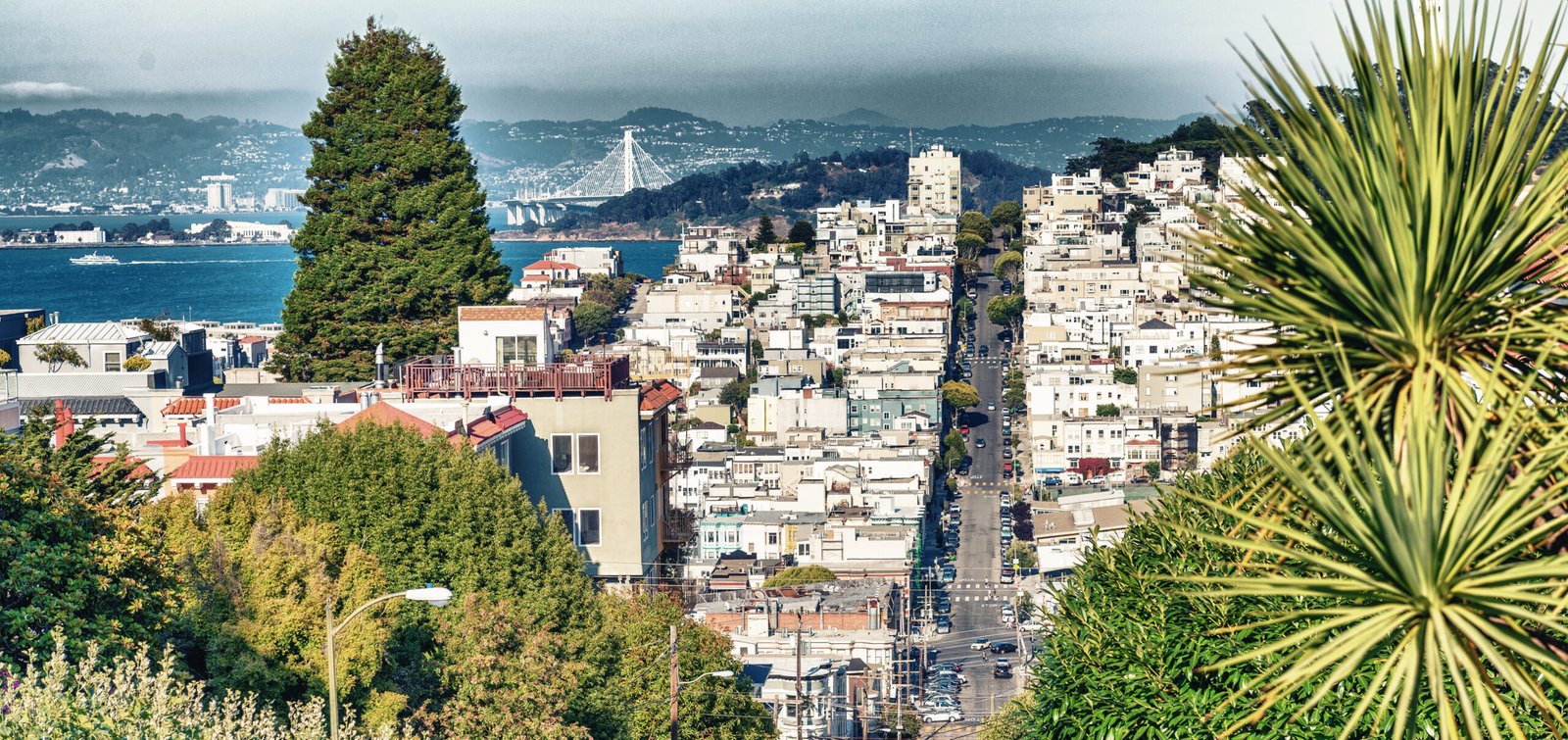
San Francisco captivates millions of visitors each year with its iconic landmarks, diverse neighborhoods, and unparalleled…
Beyond the Postcard: The Real Stories of San Francisco’s Famous Sites
Step past the tourist crowds and Instagram filters—San Francisco’s most beloved landmarks harbor secrets that would make even the most seasoned travel writer do a double take.
The fog rolls in like clockwork, shrouding the city’s iconic silhouettes in mystery. But beneath those picture-perfect facades lie stories that postcards could never capture—tales of engineering marvels born from desperation, prison breaks that became legend, and cultural revolutions that shaped a nation.
The Golden Gate Bridge: A Monument to Human Defiance
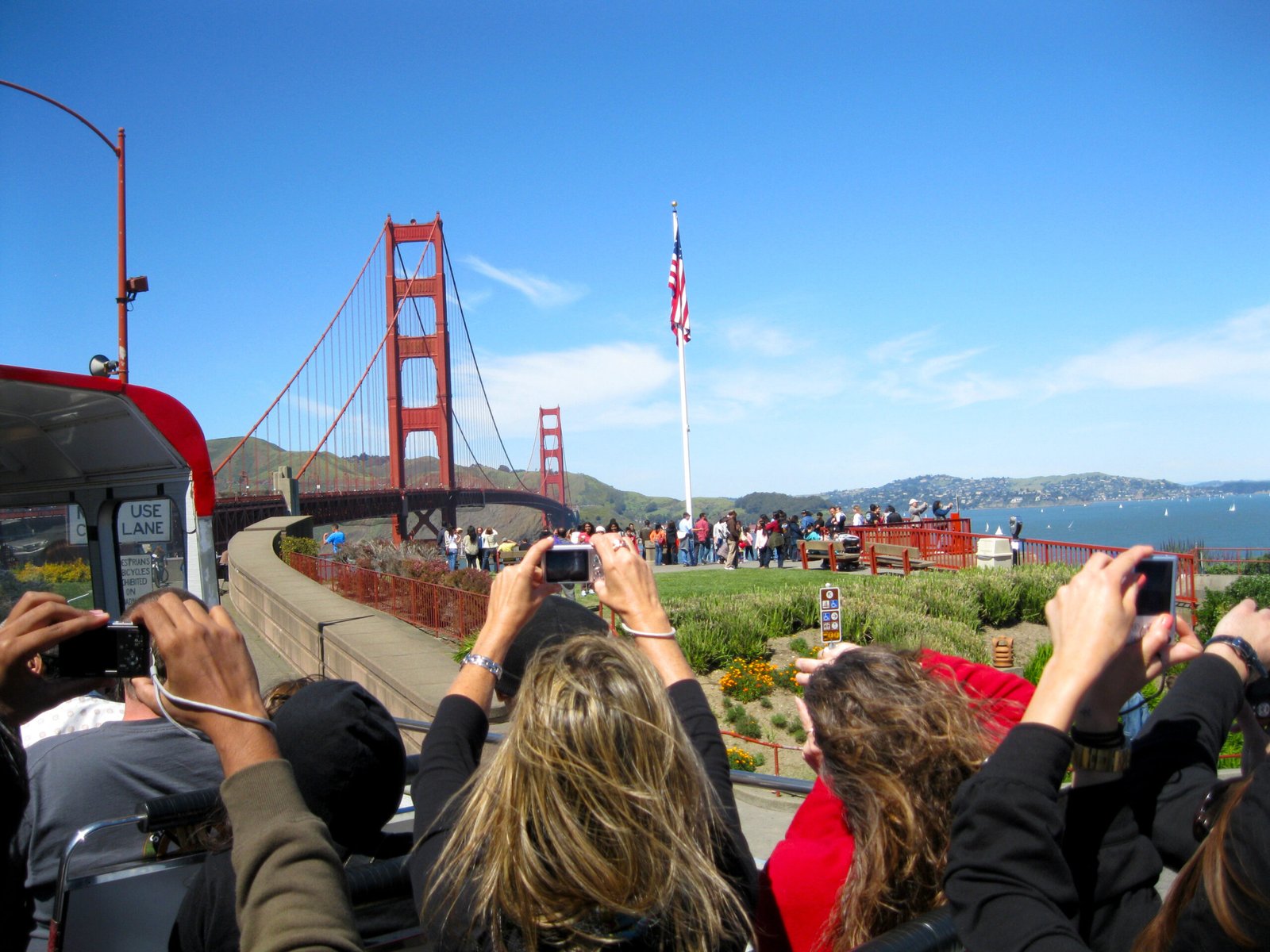
Standing majestically against the Pacific winds, the Golden Gate Bridge appears as nature’s perfect complement to San Francisco Bay. Yet this “International Orange” masterpiece emerged from one of the most audacious engineering gambles in history.
The Color That Almost Wasn’t
Here’s a secret that would surprise most visitors: the bridge was never meant to be orange. The U.S. Navy wanted it painted in yellow and black stripes for maximum visibility to ships. The architect, Irving Morrow, fell in love with the primer’s reddish hue and fought bureaucratic battles to preserve what he called “International Orange”—a color that now defines San Francisco’s skyline.
During the 1960s counterculture movement, the bridge became an unlikely symbol of freedom. Protesters would gather at its base, their voices echoing across the bay as they challenged societal norms. The structure that once represented industrial might transformed into a beacon for social change.
The most chilling secret? Chief engineer Joseph Strauss kept detailed records of worker fatalities, knowing that conventional wisdom predicted one death per million dollars spent. His revolutionary safety net saved 19 lives—men who became known as the “Halfway to Hell Club.”
Alcatraz Island: Where Legends Were Born and Buried
The Rock’s reputation as America’s most notorious prison overshadows its fascinating pre-incarceration history. Before Al Capone called it home, Alcatraz served as a Civil War fortress and later, a military prison that housed conscientious objectors during World War I.
The Great Escape: Fact vs. Fiction
Everyone knows about the 1962 breakout, but few realize that Frank Morris and the Anglin brothers weren’t the first to attempt escape. In 1946, the “Battle of Alcatraz” turned the island into a war zone for two days. Six prisoners took guards hostage, leading to a military assault that left five dead and 17 wounded.
The Gold Rush era connection runs deeper than most imagine. The island’s first structures were built using Chinese immigrant labor—the same workers who would later establish Chinatown. Their craftsmanship remains visible in the prison’s foundation stones.
Local legend whispers that Native American spirits still roam the island, a belief that gained credence during the 1969-1971 occupation by indigenous activists. They claimed the island by “right of discovery”—the same justification used by European colonizers centuries earlier.
Modern-day visitors report unexplained cold spots in Cell Block D, where the worst prisoners were held in solitary confinement. Park rangers, speaking off the record, admit to hearing phantom footsteps echoing through empty corridors.
Fisherman’s Wharf: From Working Harbor to Tourist Theater
Beneath the sourdough bread bowls and sea lion performances lies the authentic story of Italian immigrant fishermen who transformed a muddy shoreline into San Francisco’s maritime heart.
The Sicilian Secret Society
During the early 1900s, Fisherman’s Wharf operated under an unwritten code established by Sicilian fishing families. They divided the bay into invisible territories, each family claiming specific fishing grounds passed down through generations. Violations could result in sabotaged nets or mysterious boat accidents.
The 1906 earthquake revealed the community’s true character. While the city burned, Italian fishermen loaded their boats with refugees, ferrying them to safety across the bay. They refused payment, claiming “La famiglia aiuta la famiglia”—family helps family.
Architectural secrets hide in plain sight. The distinctive red-tiled roofs weren’t decorative choices but practical solutions. Italian builders angled them precisely to catch morning fog, channeling condensation into hidden cisterns that supplied fresh water during dry spells.
The 1960s counterculture movement found an unlikely ally in the wharf’s fishermen. When hippies needed food for massive gatherings in Golden Gate Park, Italian families quietly supplied day-old fish at cost, understanding that rebellion requires sustenance.
Chinatown: America’s First Cultural Fortress
San Francisco’s Chinatown stands as the oldest in North America, but its survival story reads like a thriller novel filled with secret societies, underground tunnels, and cultural preservation against impossible odds.
The Paper Sons Conspiracy
Following the 1906 earthquake, immigration records burned in the fires. Chinese immigrants seized this opportunity, claiming American birth certificates for relatives still in China. These “paper sons” memorized elaborate fictional family histories, creating an underground railroad of documentation that lasted decades.
Architectural secrets abound in Chinatown’s seemingly chaotic layout. Buildings connect through hidden passages and basement tunnels originally designed for opium dens and gambling halls. Today, these spaces house legitimate businesses, but the maze-like structure remains.
The Tong Wars of the early 1900s turned Grant Avenue into a battlefield. Rival societies fought for control of illegal activities, leading to shootouts that forced residents to install iron shutters on ground-floor windows. Many original shutters remain, painted over but still functional.
Cultural impact extends beyond San Francisco’s borders. During the Gold Rush era, Chinese immigrants introduced hydraulic mining techniques that revolutionized the industry. Their engineering innovations, dismissed by white miners as “foreign trickery,” proved more efficient than traditional methods.
Modern-day mysteries persist in Chinatown’s fortune cookie factories. Despite popular belief, fortune cookies originated in Japanese tea gardens, not Chinese restaurants. The switch occurred during World War II internment, when Chinese bakers adopted the abandoned tradition.
Join Underground History Walk →
Cable Cars: The Little Engines That Defied Gravity
These moving landmarks represent more than quaint transportation—they embody San Francisco’s refusal to surrender to geography. The cable car system emerged from one man’s horror at watching horses struggle up the city’s impossible hills.
The Grip That Changed Everything
Andrew Hallidie witnessed a horse-drawn carriage accident on a steep hill during the 1860s. The traumatized engineer spent years developing the cable grip system that would define San Francisco transportation. His first test run nearly ended in disaster when the gripman lost his nerve, forcing Hallidie to operate the car himself down Clay Street.
The 1906 earthquake destroyed most of the cable car network, but citizen activism during the 1940s saved the remaining lines. When city officials proposed replacing them with buses, Friedel Klussmann organized the “Cable Car Ladies,” staging protests that culminated in a citizen-initiated ballot measure. Their victory established the precedent for historic preservation in San Francisco.
Engineering marvels hide beneath the streets. The cable car system operates on continuous steel cables moving at exactly 9.5 miles per hour through underground channels. The powerhouse at Mason and Washington Streets houses massive wheels and engines that have operated continuously since 1887.
The 1960s counterculture movement adopted cable cars as symbols of authentic San Francisco. Hippies would ride the cars while playing guitars and singing protest songs, turning daily commutes into impromptu concerts. Conductors, initially resistant, eventually joined in, creating a unique form of mobile community theater.
Local legends claim that certain cable cars are haunted by gripmen who died on the job. Car #26 reportedly operates itself on foggy nights, climbing hills without a grip on the cable. Maintenance workers refuse to work alone on this particular car.
Experience Historic Cable Car Ride →
The Stories Continue
These landmarks stand as testament to human ingenuity, cultural resilience, and the power of community. Each structure, each neighborhood, each mechanical marvel represents countless individual stories woven into San Francisco’s larger narrative.
The real magic lies not in their postcard perfection but in their authentic imperfection—the compromises, accidents, and unexpected turns that created something far more interesting than originally planned.
Next time you visit these sites, look beyond the obvious. Listen for the whispers of paper sons and cable car gripmen, feel for the hidden passages and secret societies, and remember that every tourist destination was once someone’s bold dream, desperate gamble, or last resort.
San Francisco’s famous sites aren’t just landmarks—they’re living museums of human determination, each one proof that the most beautiful stories emerge when people refuse to accept the impossible.
Plan Your Behind-the-Scenes Adventure →
Ready to discover more hidden stories? San Francisco’s secrets run deeper than any guidebook could reveal. Every street corner holds mysteries waiting for curious travelers willing to look beyond the postcard.
More to Explore