Nestled in the heart of the Sierra Nevada mountains at 6,000 feet elevation, Truckee stands as…
Backcountry Bliss: Discovering Truckee’s Most Spectacular Wilderness Areas
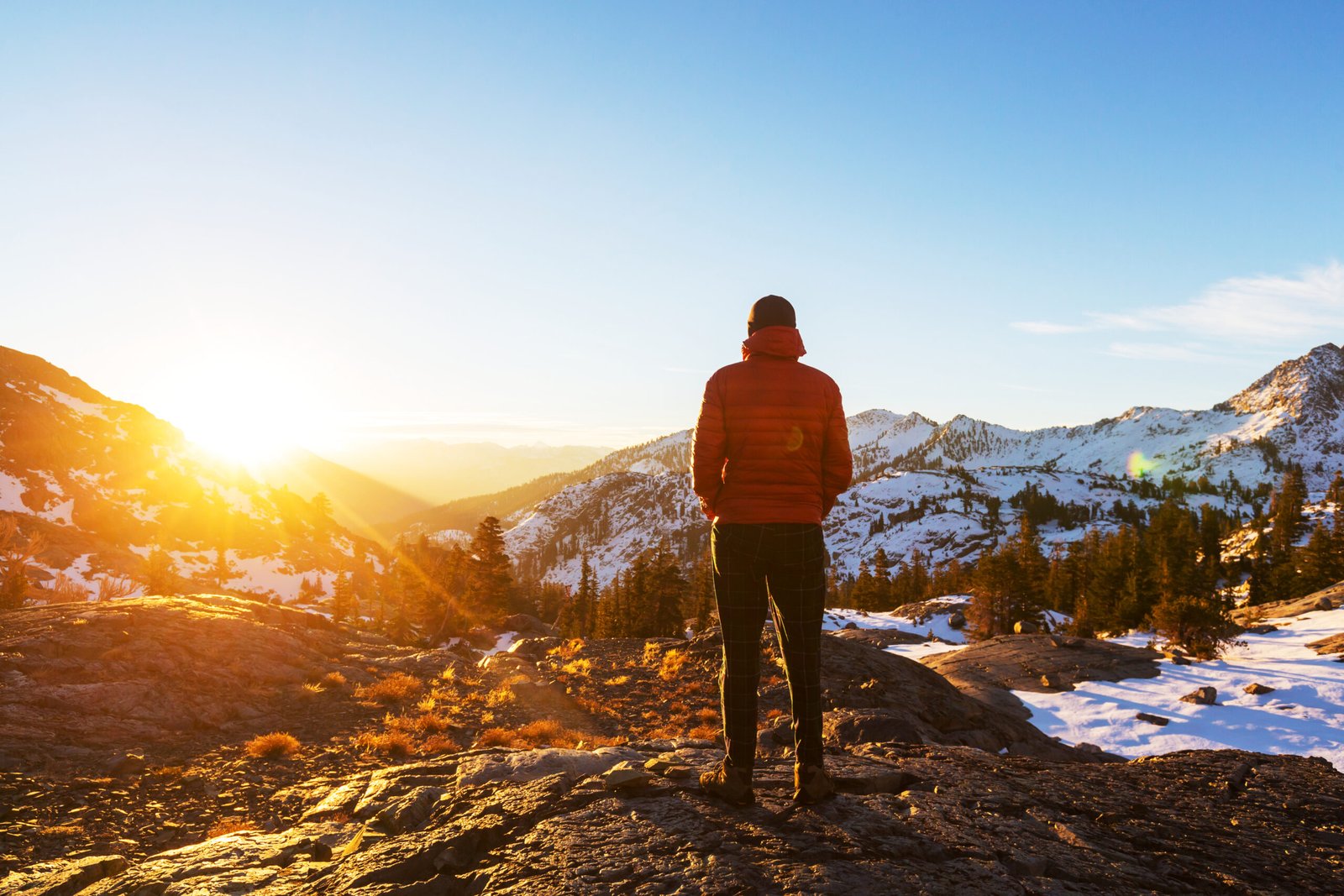
The morning mist clings to ancient granite peaks as you lace up your hiking boots, breathing in the crisp mountain air that carries whispers of adventure. Truckee’s wilderness areas offer more than just scenic beauty—they provide a gateway to some of California’s most pristine and diverse backcountry experiences. With over 200,000 acres of protected wilderness surrounding this mountain town, every trail tells a story, every summit rewards with breathtaking vistas, and every season unveils new wonders.
Tahoe National Forest: The Crown Jewel of Sierra Nevada
Spanning over 871,000 acres, Tahoe National Forest stands as the region’s most expansive wilderness playground. This magnificent forest encompasses everything from crystal-clear alpine lakes to towering granite monoliths that challenge even the most experienced climbers.
Summer Adventures Await
The Pacific Crest Trail winds through this forest, offering hikers sections that range from gentle meadow walks to challenging ridge traverses. The Castle Peak area provides exceptional rock climbing opportunities, with routes suitable for beginners and experts alike. Hidden gem alert: The Hole in the Ground Trail leads to a mysterious volcanic formation that few visitors discover.
Fishing enthusiasts will find their paradise in the forest’s numerous streams and lakes. The Truckee River runs crystal clear through summer months, harboring native rainbow trout that have adapted to these pristine waters over centuries. Prosser Creek Reservoir offers excellent camping sites with direct lake access—perfect for those early morning fishing expeditions.
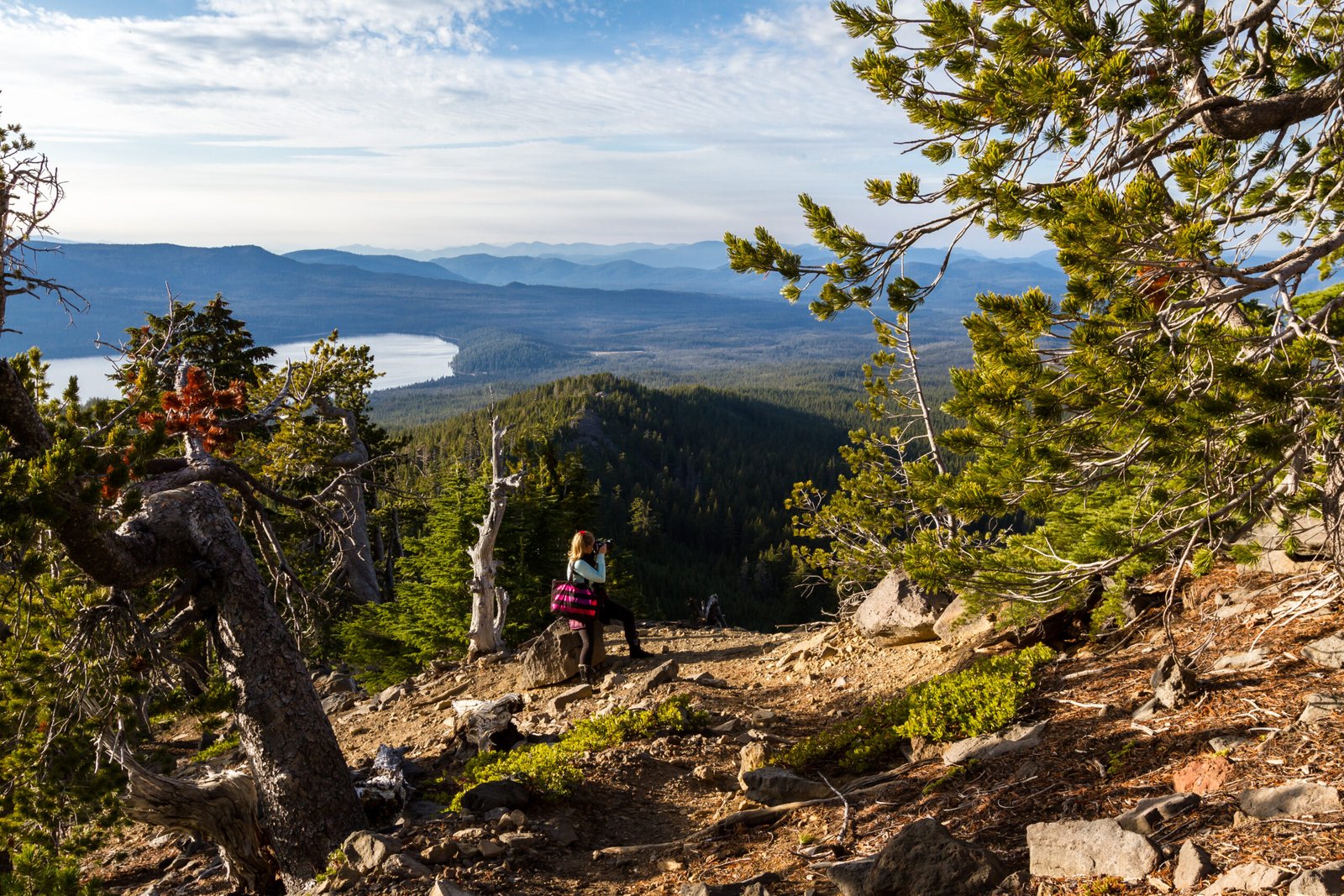
Wildlife viewing reaches its peak during summer months. Black bears emerge from their dens, often spotted foraging for berries in meadow clearings. The elusive mountain lion calls this forest home, though sightings remain rare and special.
Plan Your Tahoe National Forest Adventure →
Donner Memorial State Park: Where History Meets Natural Beauty
This 3,000-acre state park carries profound historical significance while offering modern outdoor recreation opportunities. The park commemorates the Donner Party’s tragic winter of 1846-47, but today it celebrates life through diverse recreational activities.
Four-Season Recreation Hub
Spring wildflower displays transform the park into a botanical wonderland. The Donner Lake Nature Trail becomes a carpet of vibrant lupines, Indian paintbrush, and mountain lilies from May through July. This easy 1.5-mile loop provides perfect introduction to Sierra Nevada flora.
Winter transforms the park into a cross-country skiing destination. The groomed trails wind through snow-laden forests, offering both classic and skate skiing opportunities. The park’s visitor center remains open year-round, providing historical context that enriches every visit.
Conservation efforts here focus on preserving both natural ecosystems and historical integrity. The park actively participates in native plant restoration projects, working to eliminate invasive species while promoting indigenous vegetation that once sustained local wildlife populations.
Camping facilities include both RV-friendly sites and primitive tent areas. The lakefront campsites book quickly during summer months—reserve early to secure these premium spots.
Reserve Your Donner Memorial Experience →
Granite Chief Wilderness: Alpine Majesty Personified
Designated as wilderness in 1984, this 25,000-acre sanctuary protects some of the Sierra Nevada’s most spectacular high-country terrain. Granite Chief Peak rises to 9,006 feet, offering panoramic views that stretch from Lake Tahoe to the Central Valley.
Technical Adventures for Serious Explorers
The Five Lakes Trail challenges hikers with 4.2 miles of steady elevation gain, rewarding persistence with access to five pristine alpine lakes nestled in granite bowls. Each lake maintains its unique character—some perfect for swimming during late summer, others ideal for contemplative fishing.
Rock climbing opportunities abound on the wilderness’s granite formations. The approach routes require serious commitment, but climbers discover world-class traditional climbing on clean, solid granite. Local climbing guides recommend early season attempts when temperatures remain moderate.
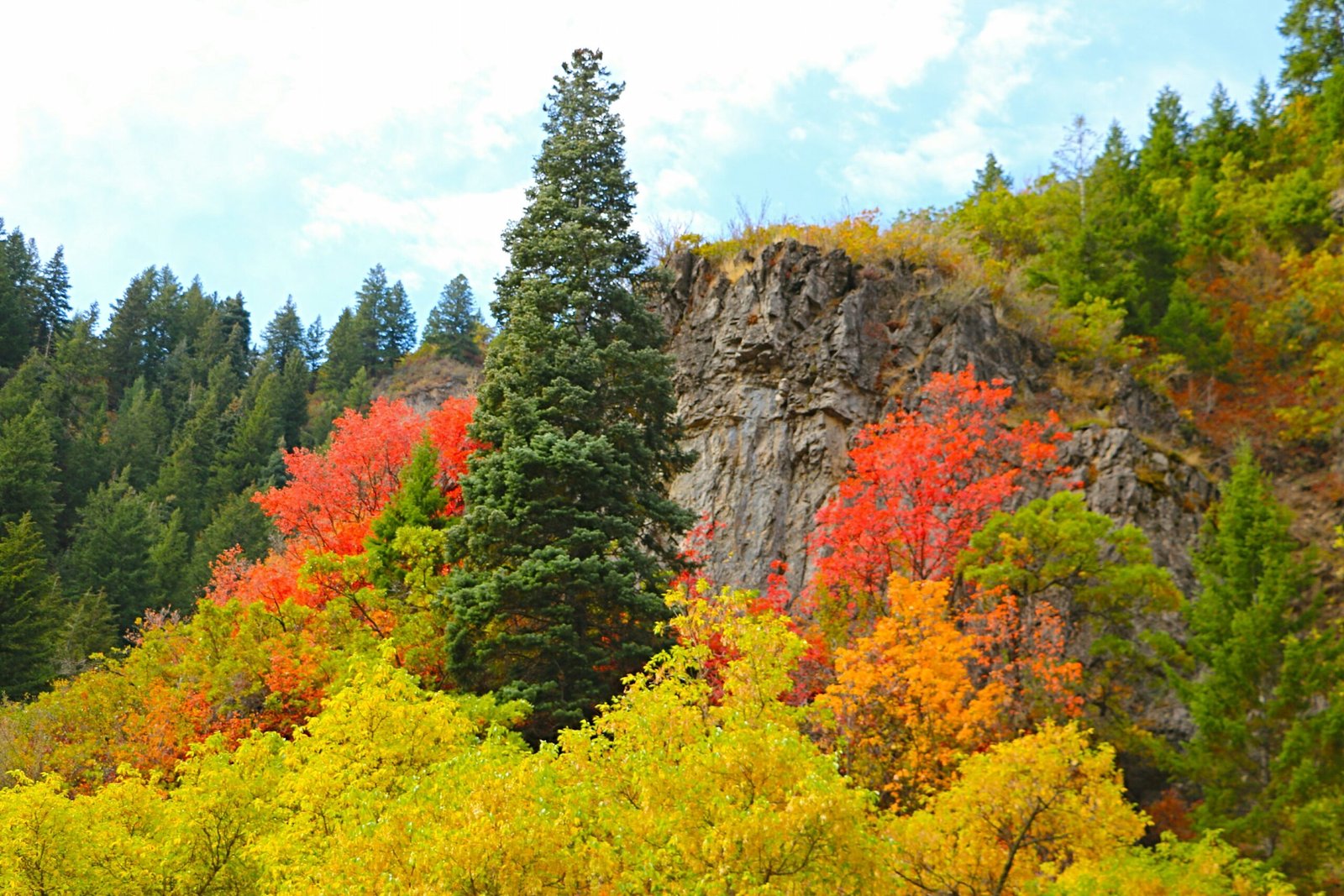
Fall foliage season transforms this wilderness into an artist’s palette. Aspen groves shimmer gold against granite backdrops, creating photographic opportunities that capture the essence of Sierra Nevada autumn.
Wildlife includes the rare Sierra Nevada bighorn sheep, recently reintroduced after near extinction. These magnificent animals navigate seemingly impossible cliff faces with grace that defies gravity.
Explore Granite Chief Wilderness →
Mount Rose Wilderness: Nevada’s Sierra Gem
Straddling the California-Nevada border, this 28,000-acre wilderness offers unique high-desert and alpine ecosystems. Mount Rose itself reaches 10,776 feet, making it the highest peak in the Tahoe Basin’s rim.
High-Altitude Adventures
The Mount Rose Trail provides the most direct route to the summit, covering 5.5 miles with 2,000 feet of elevation gain. The trail traverses multiple ecosystems, from montane forests through alpine zones to the stark beauty of the summit plateau.
Camping regulations require permits for overnight stays, but day hiking remains unrestricted. The wilderness’s high elevation means snow can persist well into summer months—check conditions before attempting summit bids.
Hidden wildlife treasures include the American pika, a small mammal that thrives in the rocky talus fields near treeline. Their distinctive calls echo across alpine basins, serving as natural wilderness soundtracks.
Winter access becomes extremely challenging due to heavy snowfall and avalanche danger. However, spring skiing opportunities exist for experienced backcountry skiers willing to make the approach.
Discover Mount Rose Wilderness →
Desolation Wilderness: The Sierra’s Crown Jewel
Perhaps California’s most popular wilderness area, Desolation Wilderness encompasses 63,960 acres of pristine alpine terrain. Despite its ominous name, this wilderness teems with life and offers some of the Sierra Nevada’s most accessible high-country experiences.
Permit-Required Paradise
Day-use permits are required year-round, while overnight permits book months in advance. This regulation protects the wilderness from overuse while ensuring quality experiences for visitors who secure access.
The Eagle Lake Trail provides excellent introduction to the wilderness, offering moderate difficulty over 6.8 miles roundtrip. The lake sits in a dramatic granite cirque, surrounded by peaks that reflect perfectly in still morning waters.
Rock climbing reaches world-class standards throughout the wilderness. Lovers Leap offers multi-pitch traditional routes that attract climbers from around the globe. The granite quality here rivals Yosemite Valley, with fewer crowds and equally stunning settings.
Conservation success stories include the lake restoration projects that have removed non-native fish species from sensitive alpine lakes, allowing native ecosystems to recover their natural balance.
Fishing regulations vary by specific water body—some lakes remain closed to protect recovering native species, while others offer excellent brook trout fishing during summer months.
Secure Your Desolation Wilderness Permits →
Planning Your Wilderness Adventure
Seasonal timing dramatically affects wilderness access and conditions. Summer months (July-September) provide the most reliable access to high-country destinations, while spring offers wildflower displays and fewer crowds on lower-elevation trails.
Winter recreation focuses on cross-country skiing and snowshoeing, with some areas accessible only to experienced backcountry travelers equipped for extreme conditions.
Essential preparation includes checking current conditions, securing required permits, and carrying appropriate safety equipment. Weather changes rapidly in mountain environments—prepare for conditions more severe than forecasts suggest.
Leave No Trace principles aren’t just guidelines in these wilderness areas—they’re essential for preserving these pristine environments for future generations. Pack out all waste, camp only in designated areas, and respect wildlife by maintaining appropriate distances.
The wilderness areas surrounding Truckee offer adventures that range from gentle nature walks to technical mountaineering challenges. Each area maintains its unique character, from the historical significance of Donner Memorial to the alpine grandeur of Desolation Wilderness.
Your next adventure awaits in these spectacular wilderness areas. Whether you seek solitude on remote peaks, family-friendly hiking trails, or challenging technical routes, Truckee’s backcountry delivers experiences that create lifelong memories.
Start Planning Your Truckee Wilderness Adventure Today →
The mountains are calling—will you answer?
More to Explore