The desert has a way of stripping away the noise—both external and internal. As the first…
Palm Springs Running Routes: From Flat Desert Paths to Mountain Challenges
The morning sun casts long shadows across the Coachella Valley as your feet hit the trail, the San Jacinto Mountains rising majestically before you. Palm Springs offers runners an extraordinary playground where desert serenity meets mountain adventure, creating an unparalleled running experience that transforms with every season.
Beginner-Friendly Desert Paths: Your Gateway to Desert Running
Starting your Palm Springs running journey doesn’t require conquering peaks immediately. The valley floor provides perfect training grounds for runners building endurance and confidence.
Coachella Valley Preserve: Nature’s Gentle Introduction
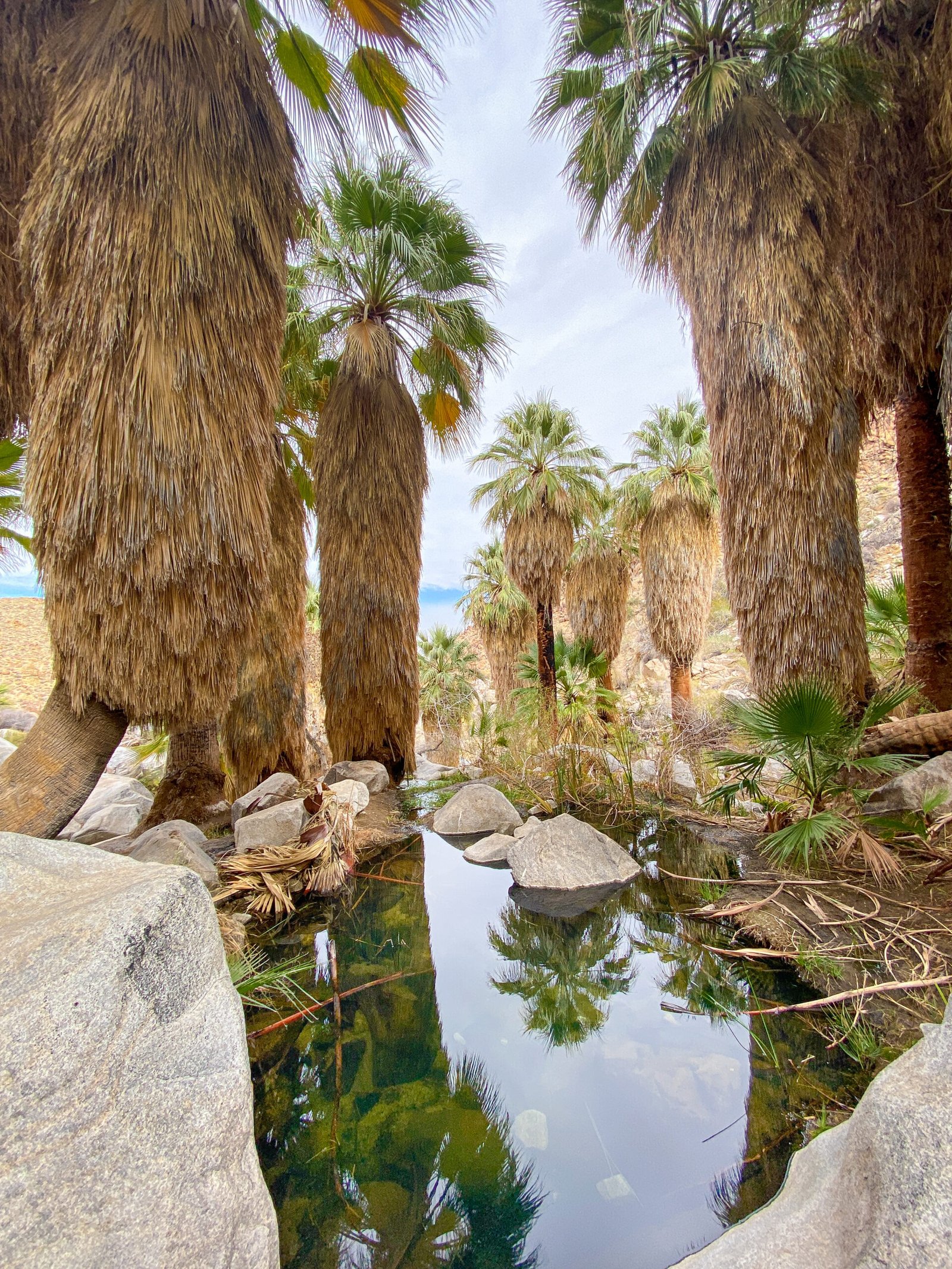
The Coachella Valley Preserve offers 1,000 acres of pristine desert landscape with well-maintained trails perfect for newcomers. The Thousand Palms Oasis Loop presents a 2.5-mile gentle circuit through native fan palms and seasonal wildflowers. Early morning runs here reveal desert wildlife at its most active, with roadrunners darting between creosote bushes and coyotes retreating to shaded arroyos.
Distance: 2.5 miles
Elevation Gain: Minimal (under 100 feet)
Best Time: October through April, 6:00-8:00 AM
Ruth Hardy Park Loop: Urban Desert Comfort
This 1.2-mile paved loop provides excellent beginner training with restroom facilities, water fountains, and shaded rest areas. The flat terrain and consistent surface make it ideal for interval training and speed work while offering stunning views of the surrounding mountain ranges.
Moderate Desert Trails: Stepping Up the Challenge
Ready to explore beyond the flats? Palm Springs’ moderate trails offer perfect progression opportunities with manageable elevation gains and diverse terrain.
Indian Canyons: Ancient Pathways, Modern Adventures
Indian Canyons represents the crown jewel of moderate desert running. The Andreas Canyon Trail winds 1.5 miles through towering palm groves and seasonal streams, offering 200 feet of gentle elevation gain. The sound of flowing water creates an oasis atmosphere that makes you forget you’re running in the desert.
Palm Canyon Trail extends the adventure with 3.2 miles of varied terrain, featuring rock scrambles, sandy washes, and shaded palm groves. The 300-foot elevation gain provides excellent training for mountain preparation while remaining accessible to intermediate runners.
Distance: 1.5-3.2 miles
Elevation Gain: 200-300 feet
Best Time: November through March, sunrise to 10:00 AM
Tahquitz Canyon: Waterfall Rewards
The Tahquitz Canyon Trail offers 1.8 miles of moderate hiking-running leading to a 60-foot seasonal waterfall. This rocky, technical trail builds strength and agility while providing spectacular photo opportunities and natural swimming holes during peak water flow.
Distance: 1.8 miles
Elevation Gain: 350 feet
Best Time: December through April for waterfall flow
Mountain Challenges: Conquering the San Jacintos
Advanced runners seeking serious elevation find their ultimate testing ground in Palm Springs’ mountain trails. These routes demand proper preparation, advanced fitness, and mountain running experience.
Palm Springs Aerial Tramway Access: High-Altitude Training
The Palm Springs Aerial Tramway provides access to over 50 miles of high-altitude trails at 8,500+ feet elevation. The Desert View Trail offers 1.3 miles of moderate mountain running with panoramic valley views, while the Nature Loop provides gentle acclimatization to high-altitude conditions.
Running at elevation challenges your cardiovascular system differently, requiring gradual adaptation and increased hydration. The temperature difference of 30-40 degrees from valley floor creates ideal summer training conditions when desert heat becomes prohibitive.
Elevation: 8,500+ feet
Distance: 1.3-5+ miles depending on route selection
Best Time: May through October
Skyline Trail: Ultimate Desert Mountain Challenge
For elite-level runners, the Skyline Trail presents serious mountain running with sustained climbs, technical terrain, and extreme elevation gains. This advanced route requires mountaineering experience and should only be attempted by highly conditioned athletes with proper safety equipment.
Seasonal Strategy: Timing Your Desert Adventures
Palm Springs running success depends heavily on seasonal awareness and timing. Each season presents unique opportunities and challenges that smart runners learn to navigate.
Winter Running Paradise (December-February)
Winter transforms Palm Springs into a runner’s paradise with perfect temperatures, clear skies, and comfortable conditions throughout the day. Daytime temperatures of 70-75°F allow for extended training sessions and long-distance preparation.
This season offers the most forgiving conditions for mountain attempts and challenging route exploration. Minimal gear requirements and extended daylight hours create optimal training windows.
Spring Excellence (March-May)
Spring provides ideal conditions with morning temperatures in the 60s gradually warming to comfortable 80s by midday. Wildflower blooms create spectacular scenery, particularly in Indian Canyons and desert preserve areas.
Early morning starts become increasingly important as temperatures rise, with 6:00-9:00 AM offering prime running conditions.
Summer Survival (June-August)
Summer running requires serious heat management with temperatures exceeding 110°F during peak hours. Pre-dawn starts (4:30-6:00 AM) become absolutely essential for safe desert running.
High-altitude tramway access provides escape from valley heat, offering comfortable mountain running when desert floors become dangerously hot. Hydration requirements double, and electrolyte management becomes critical for safety.
Fall Transition (September-November)
Fall offers gradual temperature relief with morning runs becoming comfortable by mid-October. This transition period provides excellent training opportunities as summer heat subsides but winter crowds haven’t arrived.
Essential Safety and Gear Recommendations
Desert running demands specific safety protocols and specialized equipment for optimal performance and safety.
Hydration Systems
Carry more water than you think you need. Desert conditions accelerate dehydration, even during cooler months. Hydration packs or handheld bottles should provide minimum 20 ounces per hour of running, increasing to 32+ ounces during summer months.
Sun Protection Arsenal
UV-protective clothing, wide-brimmed hats, and SPF 30+ sunscreen provide essential protection against intense desert sun. Polarized sunglasses reduce glare from light-colored desert surfaces.
Navigation and Communication
GPS watches, trail maps, and emergency communication devices ensure safe navigation through unmarked desert terrain. Cell service varies significantly between routes, making offline navigation capabilities essential.
Wildlife Awareness
Desert wildlife including rattlesnakes, coyotes, and mountain lions inhabit these areas. Make noise on blind corners, avoid dawn and dusk in mountain lion territory, and learn to identify venomous snake species.
Route Planning and Progression
Building desert running fitness requires systematic progression from flat desert paths to challenging mountain terrain. Start with preserve loops and urban trails, progress to moderate canyon routes, then advance to mountain challenges as fitness and experience develop.
Track your progress through distance, elevation gain, and seasonal adaptation. Each route offers unique training benefits that build comprehensive desert running skills.
Ready to discover your desert running adventure? Start with beginner-friendly preserve trails, progress through moderate canyon challenges, and eventually tackle mountain peaks that define the Palm Springs running experience.
Your desert running journey begins with that first step onto sun-warmed trails. Every route offers new discoveries, from hidden oases to panoramic mountain vistas, creating memories that last long after your run ends.
More to Explore