The desert has a way of stripping away the noise—both external and internal. As the first…
Palm Springs Desert Wildlife Encounters: Safe and Educational Animal Experiences
The Sonoran Desert surrounding Palm Springs transforms into a living theater at dawn, where bighorn sheep navigate rocky outcrops and roadrunners dart between creosote bushes. With over 20 years of expertise in desert wildlife education, we’ve witnessed countless magical moments that connect families, nature enthusiasts, and photographers with the remarkable creatures that call this harsh yet beautiful landscape home.
Discover Palm Springs’ Iconic Desert Species
The Desert’s Crown Jewels
Bighorn Sheep reign as the desert’s most majestic inhabitants. These sure-footed climbers scale seemingly impossible cliff faces in the Santa Rosa Mountains, their curved horns catching the golden morning light. Our guided encounters have revealed herds of up to 30 individuals, particularly active during cooler months.
The Desert Tortoise, California’s state reptile, emerges as a living testament to desert adaptation. These ancient creatures, some over 80 years old, navigate their territory with deliberate grace. Witnessing a tortoise’s methodical journey across the desert floor creates an unforgettable connection to geological time.
Coyotes embody the desert’s wild spirit, their haunting calls echoing across moonlit valleys. These intelligent predators demonstrate remarkable adaptability, thriving in both wilderness areas and urban edges. Their family structures and hunting strategies offer fascinating insights into desert survival.
Feathered Desert Residents
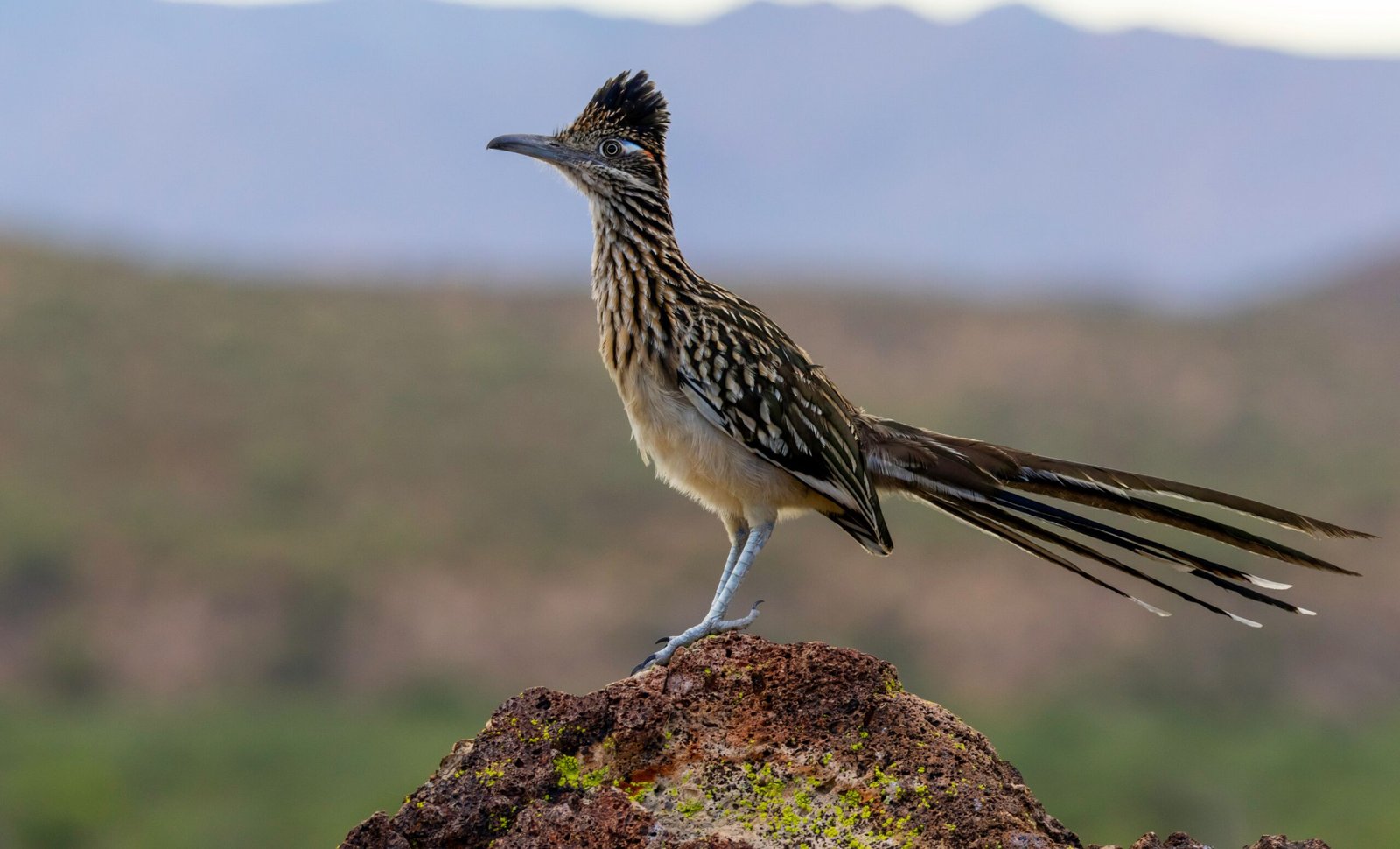
The Greater Roadrunner captivates visitors with its cartoon-like appearance and surprising speed. These ground-dwelling birds sprint up to 20 mph, pursuing lizards and insects with remarkable precision. Nothing matches the excitement of watching a roadrunner’s lightning-fast strike.
Gambel’s Quail create enchanting family processions, their distinctive head plumes bobbing as they navigate desert scrub. These social birds demonstrate complex communication patterns and cooperative parenting behaviors that delight observers of all ages.
Essential Safety Guidelines for Desert Wildlife Encounters
Maintaining Respectful Distances
Wildlife viewing requires patience and respect. Maintain minimum distances of 25 yards from large mammals and 15 yards from smaller species. Our experienced guides carry binoculars and spotting scopes, ensuring spectacular views without disturbing natural behaviors.
Desert Environment Precautions
Sun protection remains paramount in the desert environment. Apply SPF 30+ sunscreen, wear wide-brimmed hats, and carry abundant water. Desert temperatures can fluctuate dramatically, requiring layered clothing for comfort throughout extended viewing sessions.
Rattlesnake awareness enhances safety during wildlife encounters. These important predators typically avoid human contact but deserve respectful distance. Our guides provide comprehensive snake identification training and carry appropriate safety equipment.
Book Your Guided Safety Tour →
Prime Wildlife Viewing Locations
Indian Canyons: Ancient Oasis Adventures
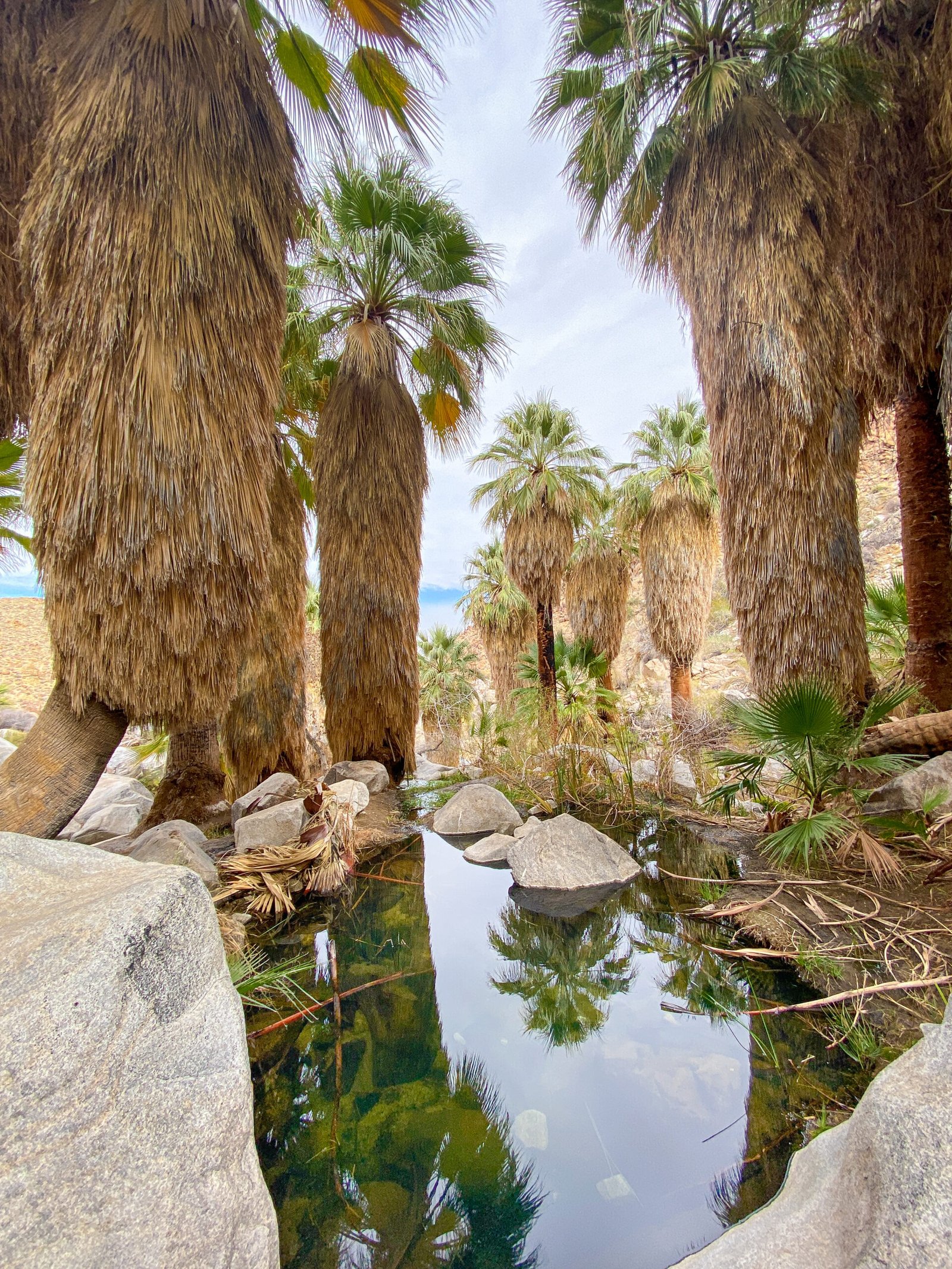
The Indian Canyons offer unparalleled wildlife diversity within stunning geological formations. Palm Canyon’s year-round water sources attract diverse species, from kit foxes to red-tailed hawks. Andreas Canyon provides intimate encounters with desert iguanas and chuperosa hummingbirds.
Joshua Tree National Park: Desert Borderlands
The park’s unique position between Mojave and Sonoran deserts creates exceptional biodiversity. Desert bighorn sheep frequent Hidden Valley, while black-tailed jackrabbits demonstrate remarkable adaptations to extreme temperatures.
Santa Rosa and San Jacinto Mountains National Monument
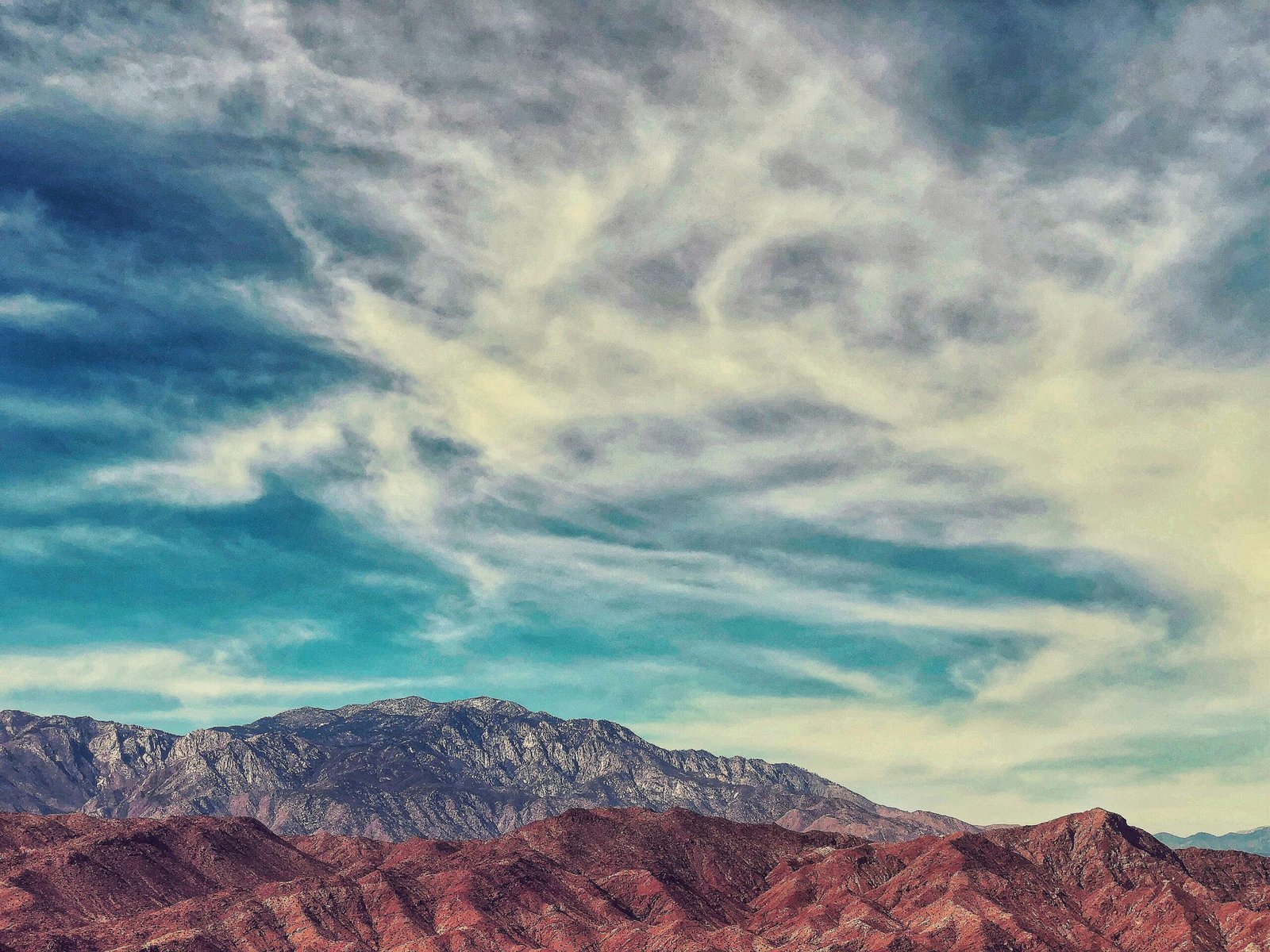
Elevation changes within the monument create diverse habitats supporting mountain lions, mule deer, and over 180 bird species. The Peninsular Ranges bighorn sheep population represents a conservation success story worth celebrating.
Educational Programs and Guided Experiences
Family-Friendly Desert Safaris
Our guided desert safaris combine education with adventure, perfect for families seeking meaningful wildlife connections. Expert naturalists share fascinating behavioral insights while ensuring safe, respectful encounters. Children’s faces light up when spotting their first wild coyote or desert tortoise.
Specialized Night Tours
Desert nights reveal hidden wildlife activity. Our night tours showcase ringtails, kit foxes, and great horned owls using specialized equipment. The desert’s nocturnal symphony creates an unforgettable sensory experience.
Photography Workshops
Wildlife photography workshops cater to all skill levels, from smartphone enthusiasts to professional photographers. Learn optimal lighting techniques, ethical wildlife photography practices, and equipment recommendations for desert conditions.
Reserve Your Educational Experience →
Conservation Success Stories
Bighorn Sheep Recovery Program
The Peninsular Ranges bighorn sheep population has increased from 280 individuals in 1996 to over 955 today through dedicated conservation efforts. Water source development, habitat restoration, and disease monitoring contribute to this remarkable recovery.
Desert Tortoise Protection Initiative
Habitat preservation and public education programs protect critical desert tortoise populations. Our educational encounters emphasize the species’ vulnerability while celebrating successful conservation partnerships between agencies, researchers, and local communities.
Seasonal Wildlife Viewing Guide
Spring Spectacular (March-May)
Spring brings peak wildlife activity as desert temperatures moderate and wildflowers bloom. Breeding behaviors, territorial displays, and increased foraging activity create optimal viewing opportunities. The desert’s brief wildflower season transforms the landscape into a vibrant tapestry.
Winter Wildlife Watching (December-February)
Cooler temperatures encourage daytime activity among typically nocturnal species. Bighorn sheep descend to lower elevations, while migratory birds supplement resident populations. Clear desert air provides exceptional visibility for distant observations.
Photography Tips for Desert Wildlife
Golden Hour Magic
Early morning and late afternoon lighting creates dramatic wildlife photographs. The desert’s clear atmosphere intensifies golden hour effects, producing stunning backlighting opportunities. Silhouetted bighorn sheep against colorful desert sunsets create portfolio-worthy images.
Equipment Recommendations
Telephoto lenses (300mm minimum) enable respectful wildlife photography while maintaining safe distances. Tripods provide stability for low-light conditions, while lens hoods reduce harsh desert glare.
Planning Your Desert Wildlife Adventure
Optimal Timing Strategies
Early morning departures (6:00 AM) maximize wildlife activity before temperatures rise. Multi-day experiences allow deeper exploration of diverse habitats and increased encounter opportunities.
What to Bring
- High-quality binoculars (8×42 recommended)
- Sun protection gear (hat, sunscreen, sunglasses)
- Layered clothing for temperature fluctuations
- Plenty of water (1 gallon per person minimum)
- Camera equipment with extra batteries
- Field guides for species identification
Start Planning Your Adventure →
Ready to experience Palm Springs’ incredible desert wildlife? Our expert guides combine decades of field experience with passionate education, creating unforgettable encounters that inspire conservation awareness. Whether you’re seeking family adventures, photography opportunities, or scientific learning experiences, we’ll customize the perfect desert wildlife encounter.
Contact our wildlife specialists today to design your personalized desert adventure. Limited group sizes ensure intimate experiences and optimal wildlife viewing opportunities.
Book Your Wildlife Encounter Now → | Download Our Species Guide → | View Photo Gallery →
Experience the magic of Palm Springs desert wildlife – where education meets adventure in one of North America’s most remarkable ecosystems.
More to Explore