Standing at 11,053 feet above sea level, Mammoth Mountain beckoned to me like…
Alpine Hiking Adventures: Discovering Mammoth’s High-Country Treasures
The crisp mountain air fills your lungs as you stand at 10,000 feet, surrounded by jagged peaks that pierce the Sierra Nevada sky. This is Mammoth’s high-country – a realm where alpine lakes mirror towering granite spires and wildflower meadows burst with color against a backdrop of endless wilderness. With decades of guiding adventurers through these pristine landscapes, we’ve witnessed countless moments of pure wonder as hikers discover the treasures hidden in these elevated sanctuaries.
Legendary Trails That Define Mammoth’s Alpine Character
Duck Pass: Gateway to the Ansel Adams Wilderness
The Duck Pass Trail stands as one of Mammoth’s most rewarding alpine adventures, climbing steadily through diverse ecosystems before revealing the stunning Duck Lake. This 5-mile journey gains 1,000 feet of elevation, making it accessible to intermediate hikers while offering enough challenge to satisfy experienced adventurers.
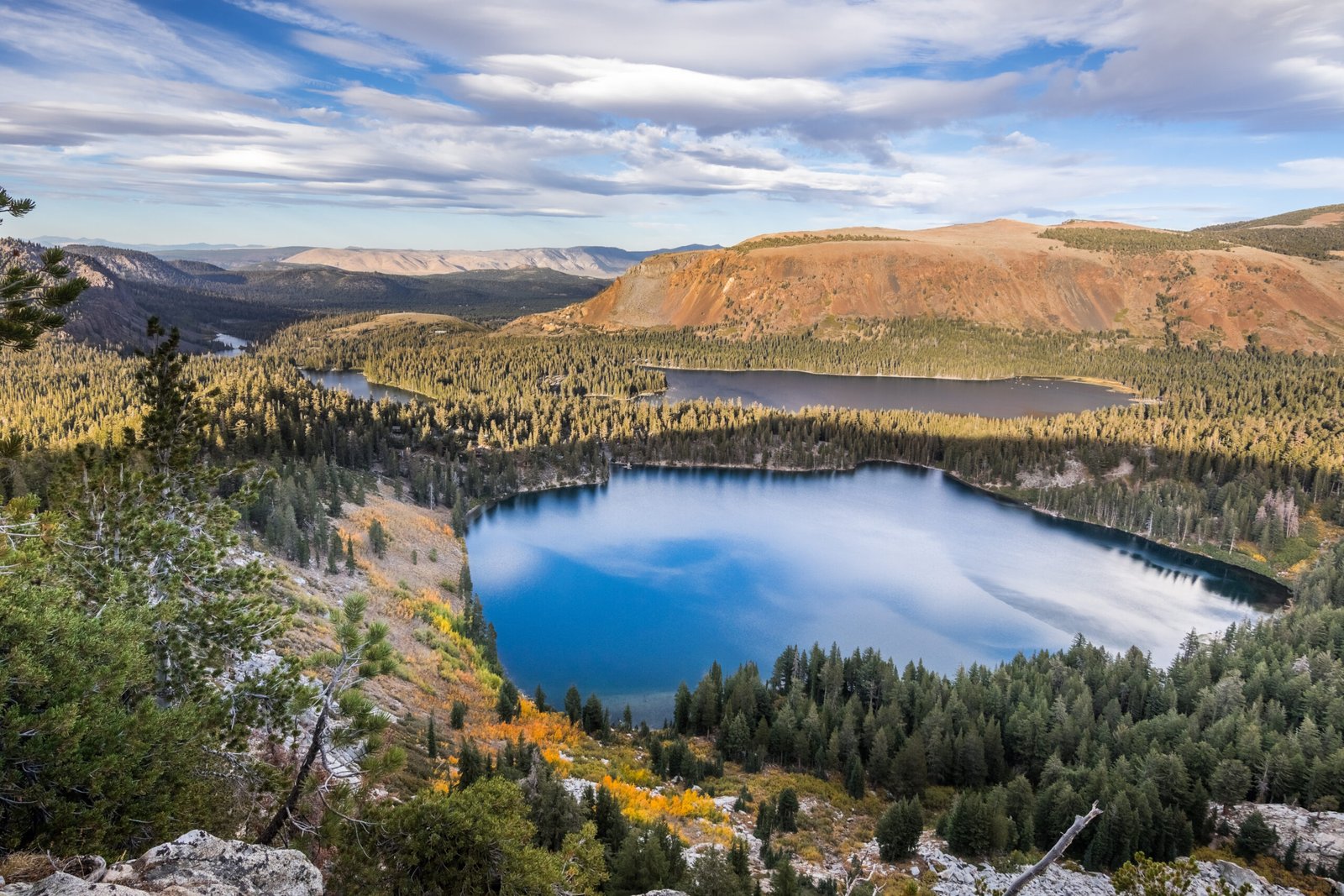
Picture yourself navigating through dense lodgepole pine forests before emerging into open meadows where mule deer graze peacefully in the early morning light. The trail’s crown jewel awaits at Duck Lake – a pristine alpine gem surrounded by dramatic granite walls that create perfect reflections on calm days.
Trail Highlights:
- Distance: 10 miles round trip
- Elevation Gain: 1,000 feet
- Best Season: July through September
- Difficulty: Intermediate
Mammoth Crest: Ridge Walking at Its Finest
For those seeking the ultimate high-country experience, Mammoth Crest delivers unparalleled panoramic views across the Eastern Sierra. This challenging ridge traverse rewards advanced hikers with 360-degree vistas that stretch from the Minarets to the White Mountains.
The approach via Mammoth Pass requires technical navigation skills and proper alpine gear, but the payoff is extraordinary. Standing atop the crest at sunrise, watching golden light paint the surrounding peaks, creates memories that last a lifetime.
Essential Considerations:
- Elevation: 11,000+ feet
- Exposure: Significant wind and weather exposure
- Navigation: GPS and map skills required
- Season: Late July through early September only
Minaret Lake: Hidden Jewel of the Wilderness
Tucked beneath the dramatic spires of the Minarets, Minaret Lake represents one of the Sierra’s most photographed alpine destinations. The challenging 8-mile approach through Minaret Creek drainage tests hikers’ endurance while revealing spectacular granite architecture.
The moment you crest the final ridge and see Minaret Lake’s turquoise waters nestled against towering granite walls, every step of the demanding approach feels worthwhile. This destination attracts advanced hikers seeking solitude and dramatic mountain scenery.
Rainbow Falls: Where Water Meets Wonder
Rainbow Falls offers a more accessible introduction to Mammoth’s alpine beauty, perfect for families and beginning hikers. The 5-mile round trip follows the Middle Fork San Joaquin River, culminating at the spectacular 101-foot waterfall that creates prismatic displays in the afternoon mist.
Children’s laughter echoes off granite walls as they discover their first rainbow dancing in the waterfall’s spray – moments like these remind us why we guide families into these magical places.
Tailored Experiences for Every Adventure Level
Beginner-Friendly Alpine Access
New to alpine hiking? Start with these carefully selected routes that provide authentic high-country experiences without overwhelming technical challenges:
- Convict Lake Loop: 2.5 miles of stunning lake views
- Laurel Lakes: Gentle 3-mile introduction to alpine basins
- Crystal Lake: Short but rewarding 1.5-mile climb
Intermediate Mountain Adventures
Ready to push your limits? These trails offer increased challenge while maintaining reasonable safety margins:
- Duck Pass to Purple Lake: Extended 12-mile adventure
- Emerald Lake: Moderate 4-mile climb with significant elevation gain
- TJ Lake: Hidden gem requiring basic navigation skills
Advanced Alpine Expeditions
Experienced mountaineers will find these routes provide serious challenges and extraordinary rewards:
- Mammoth Crest Traverse: Technical ridge walking
- Mount Ritter Approach: Serious mountaineering terrain
- Minaret Lake via North Fork: Remote wilderness access
Seasonal Mastery: Timing Your Alpine Adventures
Peak Season Glory (July-August)
The high-country awakens during peak summer, offering optimal conditions for alpine exploration. Wildflowers reach their spectacular peak, with Indian paintbrush, lupine, and mountain aster creating natural gardens against granite backdrops.
We’ve guided countless groups during this magical window when every meadow explodes with color and alpine lakes reach their warmest temperatures for brave souls attempting a quick swim.
Shoulder Season Rewards (June & September)
Early and late season adventures offer unique rewards for prepared hikers. June brings rushing waterfalls and fewer crowds, while September delivers golden aspen displays and crisp, clear skies.
Winter Considerations
Snow typically persists at alpine elevations from October through May, requiring specialized winter mountaineering skills and equipment for safe travel.
Essential Gear for Alpine Success
Foundation Equipment
Your alpine hiking foundation requires these non-negotiable items:
- Mountaineering boots: Ankle support and crampon compatibility
- Trekking poles: Essential for steep terrain and stream crossings
- Navigation system: GPS device plus paper maps and compass
- Emergency shelter: Bivy sack or emergency tent
Layering System Mastery
Alpine weather changes rapidly – your clothing system must adapt:
Base Layer:
- Merino wool or synthetic moisture-wicking materials
- Avoid cotton at all costs in alpine environments
Insulation Layer:
- Down or synthetic insulated jacket
- Fleece or wool mid-layer for active warmth
Shell Layer:
- Waterproof, breathable jacket and pants
- Wind-resistant materials for exposed ridges
Safety Equipment Essentials
Alpine environments demand respect – carry these safety items:
- First aid kit: Comprehensive wilderness medical supplies
- Emergency communication: Satellite communicator or PLB
- Sun protection: High-SPF sunscreen, sunglasses, hat
- Headlamp: Plus backup batteries and spare light
Browse Professional Alpine Gear
Alpine Safety: Your Mountain Survival Guide
Weather Awareness
Mountain weather kills unprepared hikers. Monitor conditions obsessively and understand these critical factors:
- Afternoon thunderstorms: Plan early starts and safe bailout routes
- Temperature drops: Expect 3-5°F decrease per 1,000 feet elevation
- Wind exposure: Ridge lines amplify wind speeds dramatically
Altitude Considerations
Elevation affects everyone differently. Recognize altitude sickness symptoms:
- Headaches, nausea, fatigue
- Difficulty sleeping, loss of appetite
- Confusion or coordination problems
We’ve turned back strong hikers who ignored early altitude symptoms – no summit is worth risking your life.
Emergency Preparedness
Self-rescue capability is essential in remote alpine terrain:
- Leave detailed itineraries with reliable contacts
- Carry emergency signaling devices
- Know basic wilderness first aid
- Practice navigation skills before entering wilderness
Natural Wonders: Flora and Fauna of the High Country
Alpine Plant Communities
The harsh alpine environment creates unique plant adaptations that fascinate botanists and casual observers alike:
Cushion Plants: Low-growing species like phlox and moss campion hug the ground to avoid wind damage.
Alpine Wildflowers: Short growing seasons produce intense blooms – sky pilot, alpine buttercup, and mountain sorrel paint meadows with vibrant colors.
Watching a pika gather wildflowers for its winter hay pile while marmots whistle warnings from rocky outcrops never gets old, even after decades in these mountains.
High-Country Wildlife
Alpine animals have evolved remarkable adaptations for extreme conditions:
Large Mammals:
- Mule deer migrate seasonally between elevations
- Black bears occasionally venture into alpine zones
- Mountain goats navigate impossible cliff faces
Small Mammals:
- Pikas collect vegetation for winter survival
- Marmots hibernate through harsh winters
- Chipmunks cache seeds in rocky crevices
Birds of Prey:
- Golden eagles soar on thermal currents
- Peregrine falcons nest on cliff faces
- Clark’s nutcracker disperses whitebark pine seeds
Preparation Strategies for Alpine Success
Physical Conditioning
Alpine hiking demands comprehensive fitness. Build your foundation with:
- Cardiovascular endurance: Long, steady cardio sessions
- Leg strength: Hiking with weighted packs
- Balance training: Yoga or balance board exercises
- Altitude acclimatization: Gradual elevation exposure
Route Planning Excellence
Successful alpine adventures require meticulous planning:
- Study topographic maps and identify key landmarks
- Research current conditions through ranger stations
- Plan bailout routes for weather emergencies
- Calculate realistic timing including rest stops
- Identify water sources and purification needs
Mental Preparation
Alpine environments test mental resilience as much as physical capability:
- Visualize challenging scenarios and your responses
- Practice decision-making under stress
- Develop risk assessment skills
- Build confidence through progressive challenges
Your Alpine Adventure Awaits
The high-country treasures of Mammoth Lakes beckon adventurers who seek experiences beyond the ordinary. From the accessible beauty of Rainbow Falls to the technical challenges of Mammoth Crest, these alpine environments offer transformative experiences for every skill level.
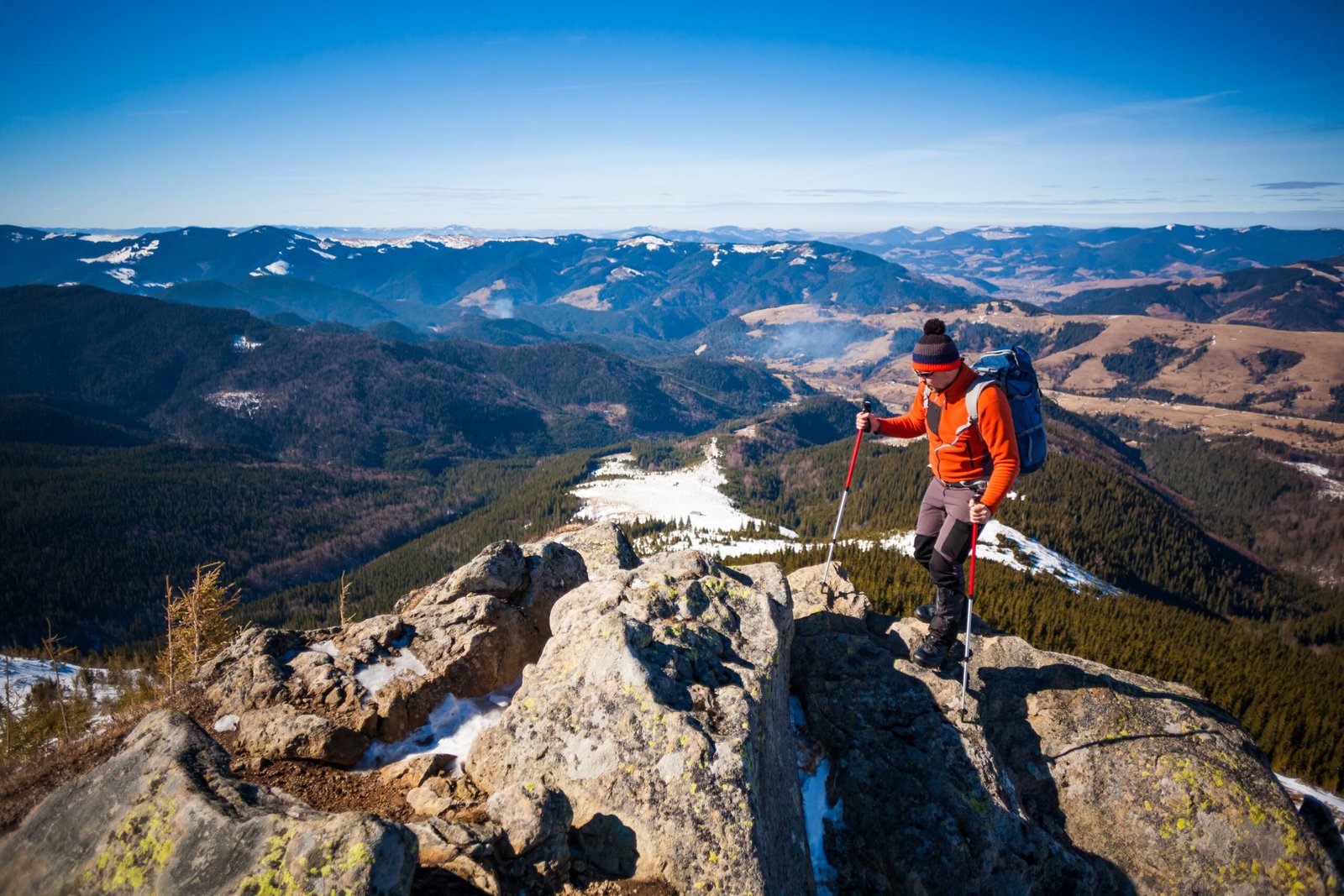
Standing on a windswept ridge at 11,000 feet, surrounded by peaks that stretch to the horizon, you understand why we’ve dedicated our careers to sharing these incredible places with fellow adventurers.
Ready to discover Mammoth’s alpine treasures? The mountains are calling, and proper preparation ensures you’ll answer that call safely and successfully.
Plan Your Alpine Adventure Today
Remember: Respect the wilderness, leave no trace, and always prioritize safety over summit goals. The mountains will be here tomorrow – make sure you are too.
With over two decades of guiding experience in Mammoth’s high-country, we’ve witnessed the transformative power of alpine adventures. Let us help you discover these treasures safely and responsibly.
More to Explore