Nestled in the heart of the Sierra Nevada mountains at 6,000 feet elevation, Truckee stands as…
Truckee CA – Native American Heritage: Honoring the Washoe People’s Legacy
Standing at the shores of Lake Tahoe or walking through the pine-scented forests of Truckee, you’re experiencing a landscape that has been home to the Washoe people for over 9,000 years. Long before European settlers arrived, before the transcontinental railroad carved through these mountains, the Washoe Nation thrived in this pristine alpine environment, developing a sophisticated culture deeply intertwined with the natural world.
The Ancient Guardians of Da ow aga (Lake Tahoe)
The Washoe people call Lake Tahoe “Da ow aga” – meaning “edge of the lake” – and consider it the center of their ancestral homeland. For millennia, they have been the original stewards of this breathtaking region, developing sustainable practices that preserved the delicate mountain ecosystem while supporting their communities.
Their territory stretched across the Sierra Nevada, encompassing not just the Lake Tahoe basin but extending into what we now know as Truckee, Carson Valley, and surrounding areas. This wasn’t simply land they occupied – it was sacred space where every mountain, stream, and meadow held spiritual significance and practical purpose.
Living Traditions That Endure
Seasonal Wisdom and Cultural Practices
The Washoe developed a sophisticated seasonal round, moving between different elevations to harvest diverse resources throughout the year. In summer, families would gather at Lake Tahoe for fishing and the crucial pine nut harvest, a tradition that remains central to Washoe culture today.
“The mountains taught us everything we needed to know about living in harmony,” reflects the wisdom passed down through generations of Washoe elders. Their traditional practices included:
- Basket weaving using willow, pine root, and other native materials – an art form that continues to flourish among contemporary Washoe artisans
- Traditional fishing techniques at Lake Tahoe, particularly for the prized Lahontan cutthroat trout
- Ceremonial gatherings that honored the changing seasons and maintained spiritual connections to the land
- Sustainable hunting practices that ensured wildlife populations remained healthy for future generations
The Sacred Pine Nut Harvest
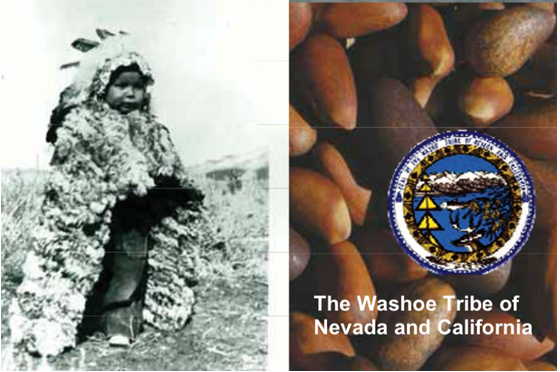
Each fall, Washoe families would gather for the pine nut harvest – a tradition that exemplifies their deep ecological knowledge. They understood which trees would produce the best nuts, how to process them for long-term storage, and how to harvest sustainably to ensure future crops. This practice continues today, connecting modern Washoe people to their ancestral traditions.
Sacred Sites and Historical Landmarks
Throughout the Truckee area, numerous sites hold profound significance for the Washoe people:
Cave Rock (De ek wadapush)
This distinctive granite formation on Lake Tahoe’s eastern shore is considered one of the most sacred Washoe sites. Traditional stories speak of it as a place where spiritual beings reside, and it remains a focal point for cultural ceremonies.
Emerald Bay
Known to the Washoe as a place of particular beauty and spiritual power, this iconic location was used for ceremonies and seasonal gatherings.
Traditional Village Sites
Archaeological evidence throughout the Truckee area reveals numerous Washoe village sites, each chosen for its strategic location near water sources, food gathering areas, and travel routes.
[Explore Interactive Map of Washoe Historical Sites →]
Environmental Stewardship: Lessons for Today
The Washoe people’s approach to environmental management offers crucial insights for modern conservation efforts. Their traditional practices included:
- Controlled burning to maintain healthy forest ecosystems and prevent catastrophic wildfires
- Rotational harvesting that allowed plant and animal populations to regenerate
- Water protection protocols that kept streams and lakes pristine
- Seasonal restrictions on hunting and gathering that aligned with natural cycles
These time-tested methods are increasingly recognized by contemporary land managers as essential for maintaining the Sierra Nevada’s ecological health. The Washoe Environmental Protection Department continues this legacy, working with federal and state agencies to implement traditional ecological knowledge in modern conservation strategies.
Language Preservation: Keeping Washoe Voices Alive
The Washoe language, Wašiw wagayay, represents thousands of years of accumulated knowledge about the Sierra Nevada environment. Each word carries cultural meaning that extends far beyond simple translation.
Current Preservation Efforts
- Washoe Language Program: Community-led initiatives teaching Washoe to both tribal members and interested community members
- Digital Archives: Recording elder speakers to preserve pronunciation and traditional stories
- School Programs: Integration of Washoe language instruction in local educational institutions
- Cultural Documentation: Ongoing efforts to record traditional songs, stories, and ceremonial language
“When we lose our language, we lose our way of seeing the world,” explains a Washoe language instructor. The preservation efforts represent not just linguistic conservation but cultural survival.
[Listen to Washoe Language Samples →]
Modern Washoe Presence in Truckee
Today’s Washoe community maintains strong connections to the Truckee area while adapting to contemporary realities:
Contemporary Contributions
- Cultural Education: Washoe educators work with schools and museums to share accurate historical perspectives
- Environmental Consulting: Tribal experts provide traditional ecological knowledge for land management projects
- Tourism Partnerships: Collaborative efforts to present authentic cultural experiences for visitors
- Economic Development: Washoe-owned businesses contributing to the local economy while maintaining cultural values
Annual Events and Celebrations
The Washoe community hosts several annual events that welcome respectful participation from the broader community:
- Traditional Gathering Days: Seasonal celebrations that demonstrate traditional practices
- Cultural Workshops: Opportunities to learn about basket weaving, traditional foods, and storytelling
- Environmental Education Programs: Sharing traditional ecological knowledge with students and researchers
How You Can Honor and Support Washoe Heritage
Educational Opportunities
[Visit the Washoe Cultural Center →] Learn about Washoe history, culture, and contemporary life through exhibits, workshops, and guided tours.
[Join a Cultural Workshop →] Participate in respectful learning experiences led by Washoe community members.
Supporting the Community
- Purchase authentic Washoe crafts from tribal artisans
- Attend cultural events when open to the public
- Support Washoe-led conservation initiatives
- Advocate for accurate representation of Native American history in local institutions
Respectful Recreation
When enjoying the natural areas sacred to the Washoe people:
- Practice Leave No Trace principles
- Respect posted restrictions at sensitive sites
- Learn about the cultural significance of places you visit
- Support Indigenous-led tourism initiatives
Building Bridges of Understanding
The story of the Washoe people in Truckee isn’t just historical – it’s ongoing. As climate change and development pressures challenge the Sierra Nevada ecosystem, the traditional ecological knowledge of the Washoe people becomes increasingly valuable for all who call this region home.
By understanding and honoring Washoe heritage, we enrich our own connection to this magnificent landscape while supporting the continuation of a culture that has thrived here for thousands of years. The Washoe people’s legacy offers profound lessons about sustainable living, environmental stewardship, and the deep spiritual connections that bind us to the places we call home.
[Learn More About Supporting Washoe Heritage →]
The Washoe Tribe continues to be a vital part of the Truckee and Lake Tahoe community. To learn more about respectful ways to engage with and support Washoe heritage, visit the official Washoe Tribe website or contact local cultural centers for upcoming educational opportunities.
[Connect with Washoe Cultural Programs →]
More to Explore