San Francisco captivates millions of visitors each year with its iconic landmarks, diverse neighborhoods, and unparalleled…
7 Iconic San Francisco Landmarks You Cannot Miss
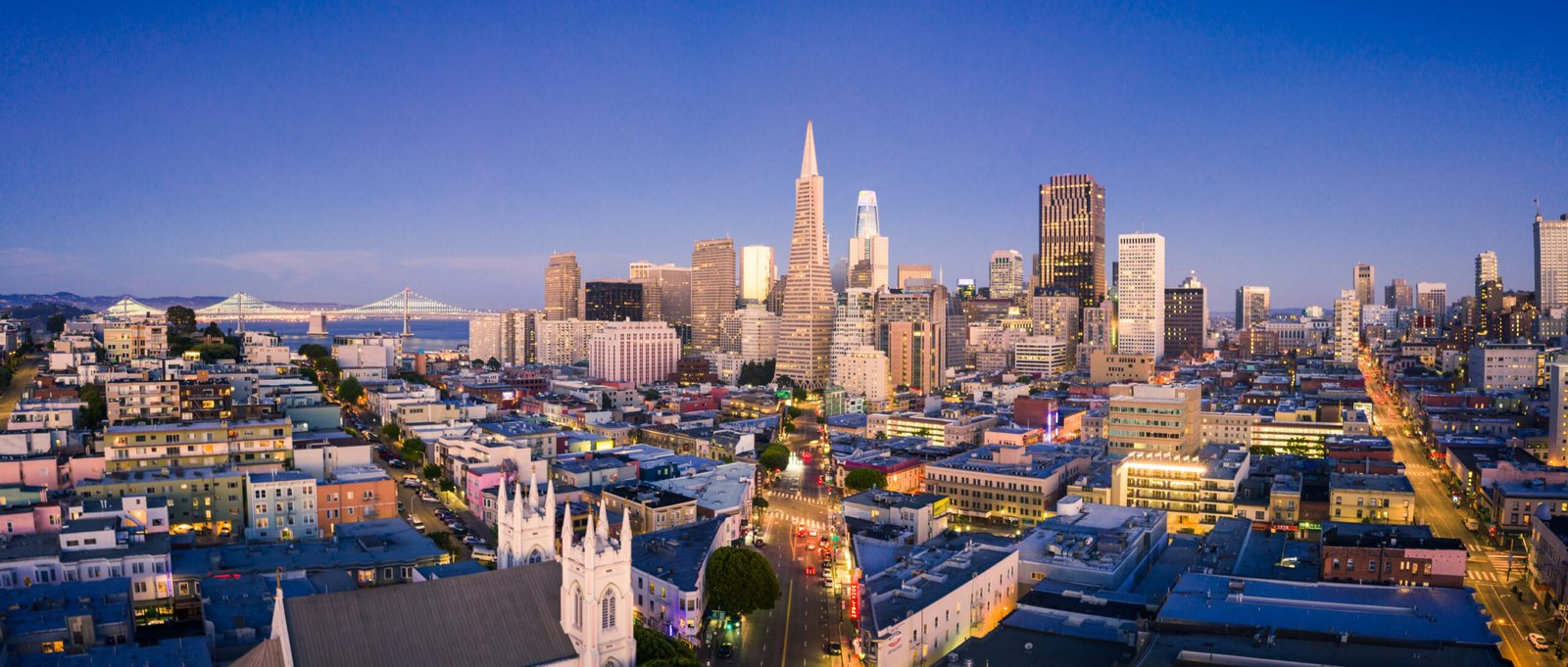
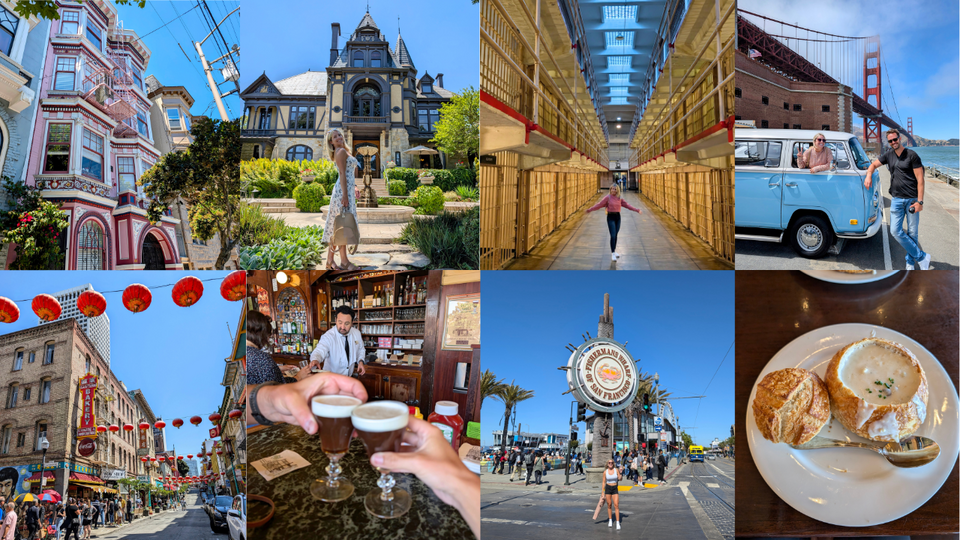
San Francisco captivates visitors with its dramatic hills, vibrant neighborhoods, and architectural marvels that tell the story of America’s most enchanting city. Whether you’re a first-time visitor planning your inaugural trip or a local resident discovering hidden gems in your own backyard, these seven iconic landmarks represent the very soul of the City by the Bay.
Golden Gate Bridge: The Crown Jewel of Engineering
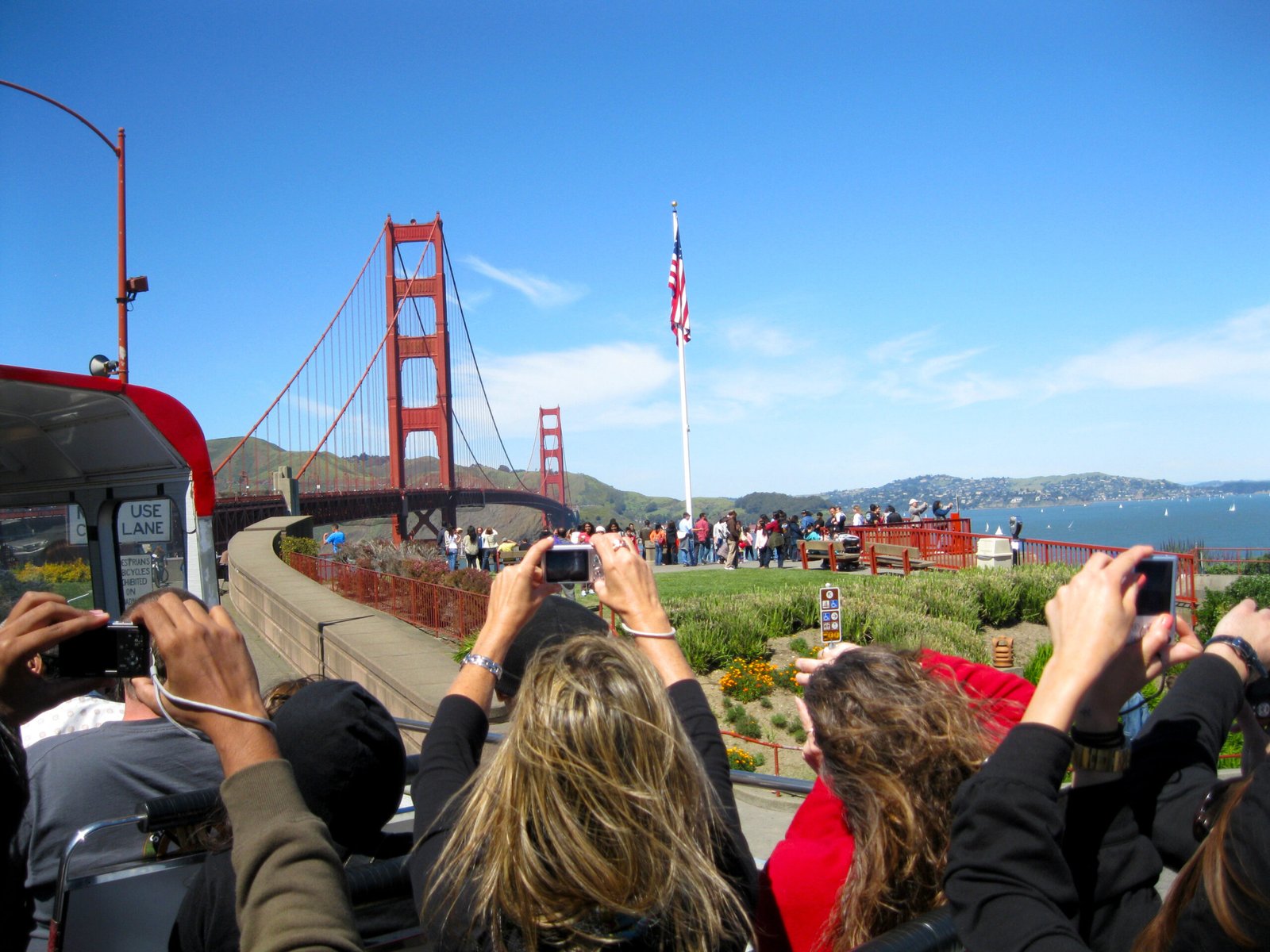
Standing majestically across the Golden Gate strait, this Art Deco masterpiece isn’t just a bridge—it’s a symbol of human ingenuity and San Francisco’s indomitable spirit. Completed in 1937, the bridge spans 1.7 miles and was once considered an impossible feat of engineering.
Historical Background: Chief Engineer Joseph Strauss overcame fierce opposition from ferry companies and skeptical engineers who deemed the project too dangerous. The bridge’s distinctive International Orange color wasn’t chosen for aesthetics alone—it enhances visibility in San Francisco’s notorious fog while complementing the natural surroundings.
Hidden Stories: During construction, a revolutionary safety net saved 19 workers’ lives, earning them membership in the exclusive “Halfway to Hell Club.” The bridge sways up to 27 feet in strong winds, a testament to its flexible engineering design.
Best Photo Opportunities: Capture stunning shots from Crissy Field at sunrise, or venture to Battery Spencer for elevated perspectives. The Marin Headlands offer breathtaking sunset views with the city skyline as backdrop.
Visitor Tips: Visit early morning (6-8 AM) to avoid crowds and catch the bridge emerging from morning fog. The Golden Gate Bridge Welcome Center provides fascinating exhibits about construction history.
[Plan Your Golden Gate Visit →]Alcatraz Island: America’s Most Notorious Prison
This rocky island fortress transformed from military fort to federal penitentiary holds secrets that continue to fascinate millions of visitors annually. “The Rock” housed America’s most dangerous criminals for 29 years, including Al Capone and Machine Gun Kelly.
Architectural Significance: The prison’s fortress-like design utilized the island’s natural isolation as the ultimate security feature. The main cellhouse, built in 1912, represents early 20th-century penal architecture with its imposing concrete and steel construction.
Cultural Impact: Alcatraz became a powerful symbol of justice and redemption in American culture, inspiring countless films, books, and documentaries. The 1969-1971 Native American occupation transformed it into a symbol of indigenous rights activism.
Hidden Stories: The famous 1962 escape attempt by Frank Morris and the Anglin brothers remains officially unsolved. Prison guards discovered ingenious dummy heads made from soap, toilet paper, and human hair in the escapees’ cells.
Photography Gold: The audio tour provides perfect timing for dramatic shots inside cells. Capture the contrast between prison bars and San Francisco’s skyline from the recreation yard.
Visitor Tips: Book tickets weeks in advance—this popular attraction sells out quickly. The evening tours offer a more intimate, haunting experience with fewer crowds.
[Reserve Alcatraz Tickets →]Lombard Street: The World’s Most Crooked Street
This one-block wonder on Russian Hill features eight hairpin turns within a 600-foot stretch, creating one of San Francisco’s most photographed and architecturally unique streets.
Historical Background: Originally a straight street with a 27% grade, Lombard Street was redesigned in 1922 by property owner Carl Henry to make it safer for vehicles. The serpentine design reduced the effective grade to a manageable 16%.
Architectural Marvel: The street’s red brick paving and meticulously maintained gardens showcase San Francisco’s commitment to urban beautification. Hydrangeas, roses, and seasonal flowers create a living artwork that changes throughout the year.
Cultural Significance: Featured in countless movies and commercials, Lombard Street represents San Francisco’s quirky character and innovative solutions to urban challenges.
Best Photography Spots: Position yourself at the bottom of the hill on Leavenworth Street for classic upward shots. The top viewing area provides panoramas of San Francisco Bay and Coit Tower.
Visitor Tips: Visit during spring bloom season (April-May) for the most spectacular floral displays. Early morning visits (7-9 AM) offer the best lighting and fewer tourists.
[Explore Russian Hill Neighborhood →]Fisherman’s Wharf & Pier 39: Maritime Heritage Meets Modern Entertainment
This bustling waterfront district transforms San Francisco’s fishing industry heritage into a vibrant entertainment destination where sea lions bask alongside street performers and fresh Dungeness crab vendors.
Historical Roots: Originally established by Italian immigrant fishermen in the late 1800s, Fisherman’s Wharf became the heart of San Francisco’s fishing fleet. The distinctive sourdough bread bowls and cioppino stew originated here from Italian fishing families.
Architectural Evolution: Pier 39, built in 1978, represents adaptive reuse architecture, transforming a working pier into a shopping and entertainment complex while preserving its maritime character with weathered wood and nautical design elements.
Hidden Gem: The California sea lions that made Pier 39 famous arrived unexpectedly after the 1989 earthquake, and their population fluctuates seasonally from 150 to 1,700 individuals.
Photography Opportunities: Capture playful sea lions from the viewing platforms, or frame the historic fishing boats against Alcatraz Island. Golden hour provides magical lighting for waterfront shots.
Visitor Tips: Visit the Aquarium of the Bay during off-peak hours (weekday mornings) for the best experience. Sample fresh Dungeness crab from November through June when it’s in season.
[Discover Waterfront Activities →]Coit Tower: Art Deco Monument with Revolutionary Murals
Perched atop Telegraph Hill, this 210-foot Art Deco tower honors San Francisco’s firefighters while housing some of America’s most significant Depression-era murals.
Architectural Significance: Designed by architects Arthur Brown Jr. and Henry Howard in 1933, the tower’s fluted concrete design resembles a fire hose nozzle—a fitting tribute to its namesake, Lillie Hitchcock Coit, who left funds to beautify the city and honor firefighters.
Cultural Impact: The tower’s interior murals, created by 25 artists in 1934, represent the largest New Deal public art project on the West Coast. These works sparked controversy for their socialist themes and worker solidarity messages.
Hidden Stories: Lillie Hitchcock Coit was San Francisco’s most colorful character—she smoked cigars, wore men’s clothing, and was an honorary firefighter who chased fire engines throughout the city.
Best Views: The 360-degree observation deck offers unparalleled views of the Bay Area. Time your visit for sunset to watch the city transform into a glittering jewel.
Photography Tips: Capture the tower’s dramatic silhouette from Washington Square Park below, or photograph the intricate murals inside with available light for authentic atmosphere.
Visitor Tips: Climb the Filbert Street Steps through hidden gardens for a scenic approach. The elevator to the observation deck costs $8 for adults.
[Plan Your Telegraph Hill Adventure →]Union Square: The Heart of San Francisco’s Cultural Renaissance
This 2.6-acre urban plaza serves as San Francisco’s premier shopping district and cultural gathering place, surrounded by world-class hotels, theaters, and flagship stores that define the city’s sophisticated character.
Historical Evolution: Originally designated as a public square in 1850, Union Square gained its name from pro-Union rallies held here during the Civil War. The area transformed from a simple park into San Francisco’s cultural and commercial heart following the 1906 earthquake reconstruction.
Architectural Showcase: The square features the Dewey Monument, a 97-foot granite column topped by Victory commemorating Admiral Dewey’s triumph in the Spanish-American War. Surrounding Beaux-Arts and modern architecture creates a stunning urban canyon effect.
Cultural Significance: Union Square anchors San Francisco’s Theater District, with venues like the Curran Theatre and American Conservatory Theater presenting world-class productions. The area’s luxury retailers and art galleries establish it as the West Coast’s answer to Fifth Avenue.
Photography Opportunities: Capture the square’s energy from the rooftop terraces of surrounding buildings, or photograph street performers and holiday decorations at ground level. The palm trees and urban architecture create striking geometric compositions.
Visitor Tips: Visit during the holiday season (November-January) for spectacular decorations and ice skating. The underground parking garage provides convenient access to avoid San Francisco’s challenging street parking.
[Explore Union Square Shopping →]Palace of Fine Arts: Romantic Ruins in the Modern City
This ethereal monument to beauty and art stands as San Francisco’s most romantic landmark, where classical architecture meets serene lagoons in a setting that feels transported from ancient Rome.
Historical Origins: Built for the 1915 Panama-Pacific International Exposition, architect Bernard Maybeck designed this structure as a temporary exhibit space. Public outcry saved it from demolition, and it was reconstructed in permanent materials during the 1960s.
Architectural Mastery: The Roman and Greek-inspired rotunda features soaring Corinthian columns supporting a magnificent dome, while the curved colonnade creates intimate spaces for reflection. Maybeck intended the structure to evoke “sadness modified by the feeling that beauty has a soothing influence.”
Cultural Legacy: The Palace has served as a backdrop for countless weddings, films, and artistic performances. Its reflection in the lagoon creates one of San Francisco’s most photographed scenes.
Hidden Details: Look closely at the colonnade’s decorative friezes depicting weeping women, symbolizing the melancholy of ruins. The structure’s seismic retrofitting allows it to sway gracefully during earthquakes while preserving its classical beauty.
Photography Paradise: Golden hour transforms the honey-colored columns into warm sculptures. Capture swans gliding across the lagoon’s mirror-like surface, or frame the rotunda through the colonnade’s arches.
Visitor Tips: Visit during weekday mornings for peaceful contemplation and optimal lighting. The adjacent Exploratorium offers interactive science exhibits for families.
[Discover Marina District Attractions →]Experience San Francisco’s Timeless Magic
These seven landmarks represent more than tourist destinations—they embody San Francisco’s innovative spirit, cultural diversity, and architectural ambition. Each site tells a unique story of human creativity overcoming natural challenges, from the Golden Gate Bridge’s engineering triumph to Lombard Street’s ingenious urban planning.
Whether you’re capturing the perfect Instagram shot, delving into hidden historical narratives, or simply experiencing the city’s magnetic energy, these landmarks offer endless opportunities for discovery. San Francisco rewards the curious traveler with layers of meaning beneath its stunning facades.
Ready to explore? Start planning your San Francisco adventure today, and prepare to fall in love with America’s most captivating city.
[Book Your San Francisco Experience →]Have you visited these iconic landmarks? Share your favorite San Francisco memories and hidden discoveries with fellow travelers in the comments below.
More to Explore